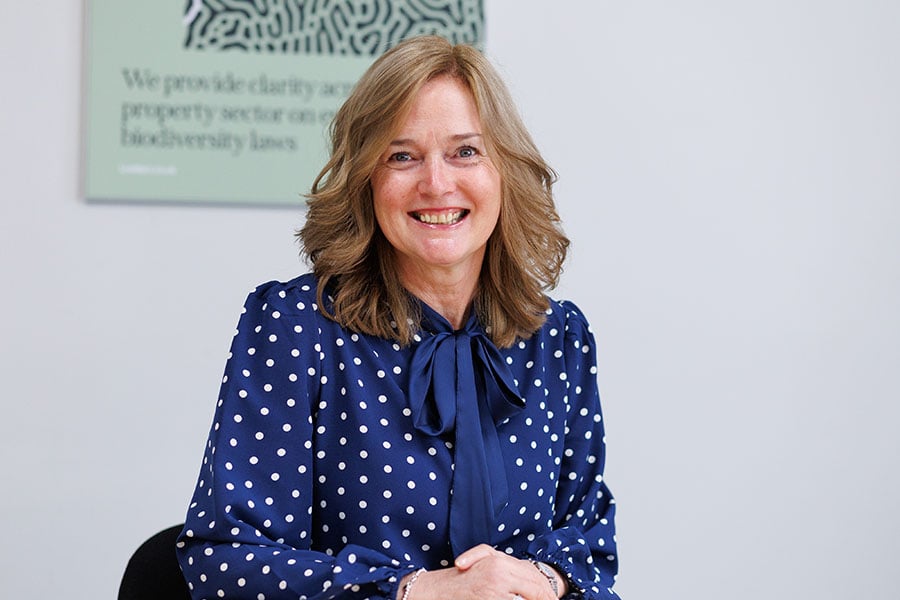

When X Factor winner Matt Terry (pictured) revealed that he had been “grieving himself” while at the height of commercial success, it struck a chord far beyond the entertainment world.
Speaking on the second episode of the Keep It Grief podcast, Matt described experiencing two forms of grief simultaneously: the loss of his identity following his 2016 victory on The X Factor, and the later death of his grandmother during lockdown.
From the outside, his life appeared enviable — chart success, international touring and high-profile collaborations. Privately, he says, he felt disconnected, overwhelmed and unsure who he was.
“I’d look in the mirror and think – who are you?” he told Jonny Meah’s podcast which is proudly produced in partnership with The Estate Registry. “I felt like I was grieving the version of me from before the show.”
For professionals working in wills, probate and estate administration, the episode serves as a reminder of something the sector understands well: grief rarely presents in isolation, and it rarely looks the same twice.
The layered reality of grief
Terry’s reflections highlight a growing awareness that grief is not limited to bereavement alone. Identity loss, career transitions and major life changes can coexist with more traditional forms of mourning.
In his case, public success masked private struggle. While navigating the pressures of fame and industry expectations, he was also coping with the illness and eventual death of his grandmother — a family member he described as his biggest supporter.
For practitioners, this layered reality is familiar. Clients often approach estate administration during periods of profound emotional disruption. Outward composure does not necessarily reflect inner resilience.
What Terry’s interview underscores is that grief affects everyone – regardless of profile, wealth or perceived success.
Emotional vulnerability and practical strain
Importantly, the episode – which is available on all podcast platforms and on YouTube – also touches on the practical pressures that accompany loss.
The death of a loved one is rarely confined to emotion. It triggers administrative processes, financial decisions and legal responsibilities at a time when individuals may be least equipped to manage them.
As estate professionals know, the burden of notifications, probate timelines and digital estate issues can compound emotional strain.
The Estate Registry’s involvement with Keep It Grief reflects a wider recognition within the sector that support must extend beyond documentation and deadlines. Services such as LegacyNOW, InheritNOW, NotifyNOW and Settld are designed to ease that administrative load — acknowledging that grief and paperwork unfold simultaneously.
A cultural shift in how grief is discussed
Matt’s candid admission that “success and grief can exist at the same time” mirrors a broader societal shift. Conversations around mental health, vulnerability and loss are becoming more open – including among public figures.
For the probate and estate sector, this cultural change has implications.
Clients may arrive with greater awareness of their emotional state, but also with heightened expectations of empathy, clarity and transparency. Regulatory focus on vulnerability and client care reinforces the importance of recognising grief as a multifaceted experience.
The episode reinforces a simple but powerful truth: grief does not discriminate.
Whether a global touring artist or a private individual managing a modest estate, the emotional impact of loss — and the administrative responsibilities that follow — remain deeply human experiences.
As the sector continues to modernise digitally, the need to maintain compassion alongside efficiency remains central.
This article was submitted by The Estate Registry as part of an advertising agreement with Today’s Wills and Probate. The views expressed in this article are those of the submitter and not those of Today’s Wills and Probate.