The Estate Registry, which owns bereavement notification services Settld and NotifyNOW, as well as LegacyNOW, welcomes the UK Law Commission’s recommendations on updating wills in England and Wales.
The move recognises that most people in the UK want to conduct their business online, including stressful end of life administration.
The Estate Registry has urged regulators and the government to go even further with a digital first approach to death notifications, including the use of digital death certificates and ensuring all service providers offer digital death notification processes.
Currently, most laws governing wills were drawn up in the Wills Act of 1837 and revisions are intended to make them relevant to the modern world.
The Law Commission proposals, which have been eight years in consideration, include recommendations for digital wills, to abolish laws which revoke the will when a person marries or enters into a civil partnership, to reduce the age at which people can make wills from 18 to 16, to clarify rules on mental capacity, to make it easier for a person’s wishes to be given effect, and to increase safeguards for those who may be coerced into making a will.
The report and a draft bill has been put before the Houses of Parliament, which will scrutinise the proposals and, subject to amendments, draw up any new legislation.
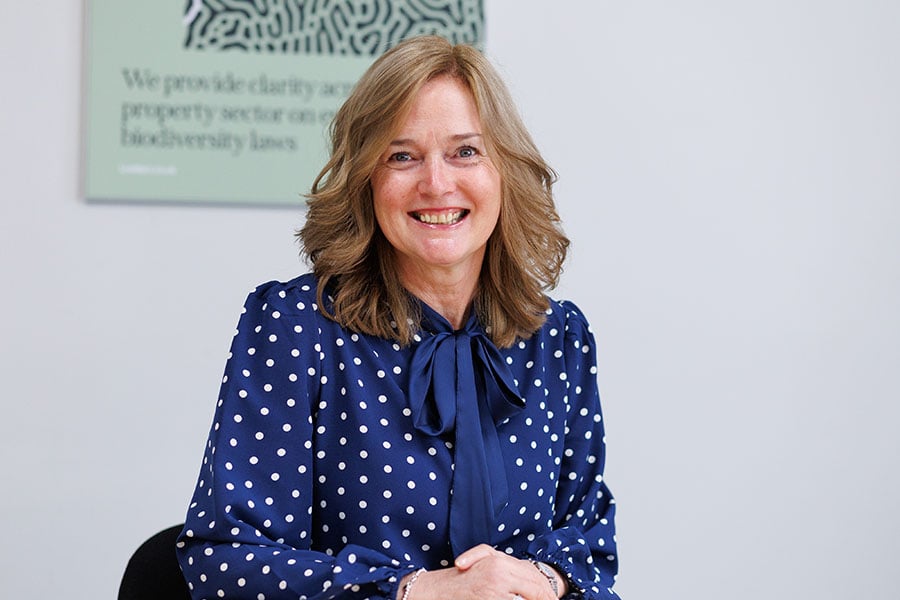
Howard Enders, Chief Operating Officer at the Estate Registry says:
“If we can update archaic laws governing wills in the UK, we need urgently to do the same for death notifications. Many bereaved customers encounter avoidable obstacles when attempting to notify companies and finalise estate matters. A consistent, digital-first approach would go a long way in alleviating that burden.”
“The existing laws have stood the test of time, but previous generations could not imagine the world in which we now live. Changing family dynamics, increased awareness of mental capacity and technological innovation mean that our requirements in a digital society are evolving.”
The Minister for Courts and Legal Services Sarah Sackman KC MP said:
“We must embrace change, but the guiding principle in doing so will be to ensure that reform does not compromise existing freedoms.
Enders adds
“A valid will is the primary way a person determines what happens to their estate when they die. Making all of those estate management processes fit for the age we live in and making our intentions clear will benefit all of us, whether we are drawing up a will, beneficiaries, professionals or charitable organisations.”
“We, at The Estate Registry, believe that the Law Commission’s report, together with urgently needed potential reforms on digital death certificates under the FCA’s Consumer Duty, will alleviate much of the distress of winding up an estate for the bereaved.”
This article was submitted to be published by The Estate Registry as part of their advertising agreement with Today’s Wills and Probate. The views expressed in this article are those of the submitter and not those of Today’s Wills and Probate.