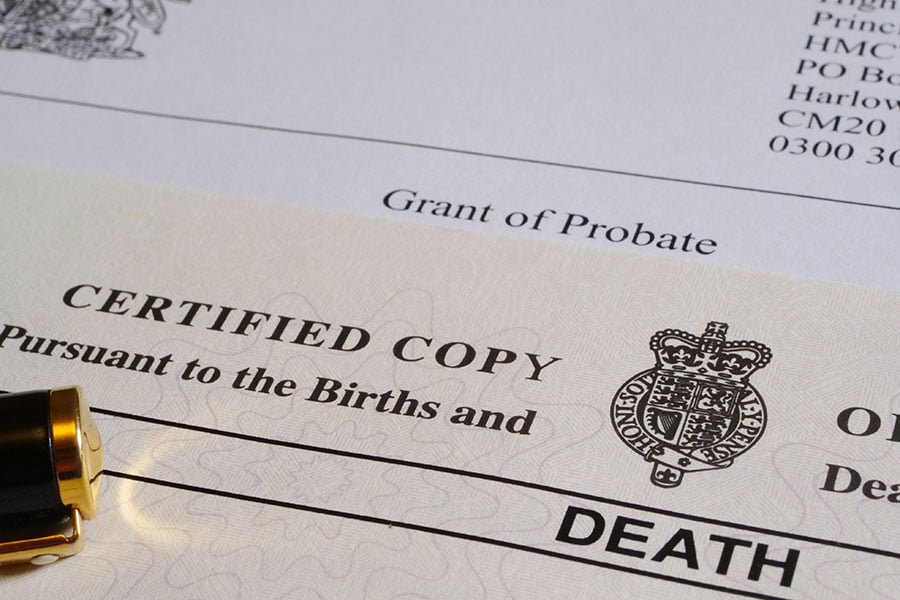
The Solicitors Disciplinary Tribunal cleared a solicitor who was accused of overcharging a client when administering an estate.
The private client practitioner was acquitted of the alleged misconduct after the Solicitors Regulation Authority (SRA) failed to prove that the professional had overcharged on an estate bill.
Solicitor, Derwent Campbell, endured a three-day hearing only to be acquitted by the Tribunal after concluding that his £45,000 fee for administering £1.2m estate was not unreasonable.
The nearly 68-year-old was admitted in 1982 and previously a partner at Somerset firm Mogers Drewett.
This tribunal follows a previous case, which only happened a couple weeks ago, whereby the SRA had also failed to prove a solicitor had overcharged. So much so that the SRA was instructed to pay the previous practitioner, Nabeel Sheikh’s costs.
In Campbell’s case the Tribunal heard that back in the summer of 2015 a client raised allegations against Drewett over the handling of his late aunt’s estate, which included an accusation of the excessive billing.
Campbell, as head of the private client team, acted as the Executor following the death of the client’s aunt in 2014 and the firm generally acted on the probate too.
At the start of the process Campbell confirmed a fixed fee of £45,000 following discussions with his colleagues and the beneficiary. However, an engagement letter, which was sent at the time, was sub-standard as it legally read that the work would be carried out on a time basis rather than a fixed fee basis.
Consequently, the private client team billed the client the fixed fee, but in reality, the costs incurred by the firm actually equated to £15,000 in hourly rate terms.
The SRA claimed that Campbell had not come up with the fee figure based on the amount of time needed to administer the estate and resources required but instead on the size of the potential legacy and also taking into consideration how much the beneficiary would be willing to pay.
Campbell stipulated that he felt the sum was fair and consent had been received by the appropriate individuals involved in the estate.
He confirmed that he had not drafted the engagement letter so was not aware the mistake had been made. He felt that the £45,000 fee was reasonable because the case was fraught with difficulty and potential family battles.
It was concluded that the £45,000 bill was reasonable based on the size of the estate and circumstances and difficulties surrounding the administration – and that the mistake made over the fixed fees was an accidental error.