The recent decision to remove the Government Legal Department’s (GLD) Bona Vacantia list from the public domain, following a BBC investigation into fraudulent claims against unclaimed estates, marks an important moment for the probate sector.
At Finders International, we support the removal of the list as a responsible and necessary step to reduce the risk of opportunistic fraud, and to safeguard both estates and the interests of genuine heirs. However, we believe this also presents an opportunity to explore safer, more robust alternatives that ensure estates are securely passed on to those entitled — without putting sensitive information at risk.
We believe the probate system works best when there is a balance between transparency and control, and when all parties involved are committed to safeguarding estates. Professional probate genealogists have a unique role to play here. With decades of experience in tracing next of kin and verifying entitlement, we work alongside SRA-regulated solicitors and public authorities to ensure that estates are passed on appropriately, with due care and proper oversight. Our research can identify which estates are truly bona vacantia; and more importantly, help prevent estates from being wrongly claimed or left unclaimed altogether.
Fraudulent wills pose a real threat. But so too does the risk of genuine beneficiaries being shut out of the process. With appropriate safeguards in place, we can balance security with fairness; ensuring inheritance reaches the people it’s truly intended for.
We remain ready to support all stakeholders — including the GLD and regulators — to protect vulnerable estates, support due diligence, and restore public confidence in the probate system.
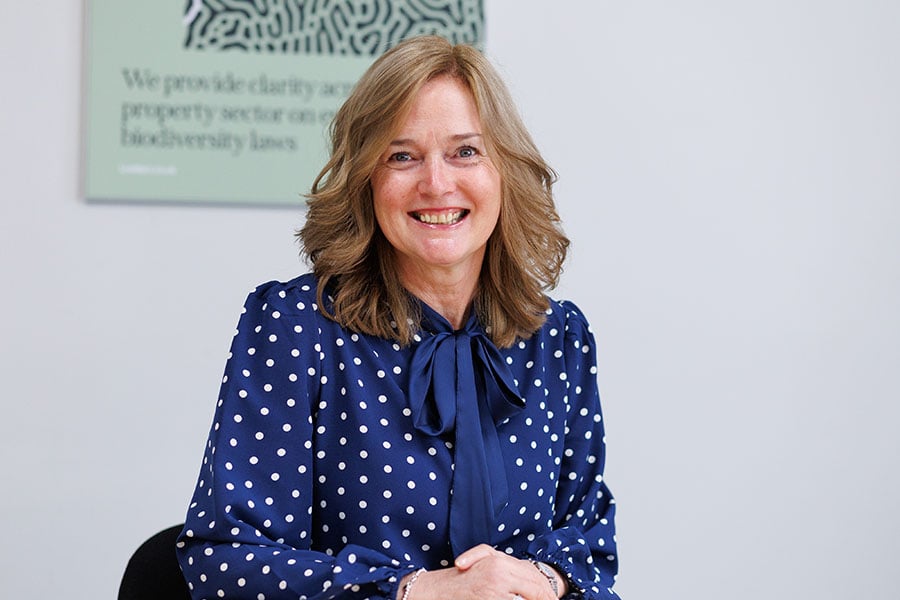
Simonne Llewellyn, is CEO of national probate genealogist, Finders International
This article was submitted to be published by Finders International as part of their advertising agreement with Today’s Wills and Probate. The views expressed in this article are those of the submitter and not those of Today’s Wills and Probate.