


For many people, letting go of a loved one’s ashes is an act of finality they don’t want to face. Matt Young is managing director of Aerial Ashes, which offers scattering ceremonies over sea and land from airborne drones. He explains why letting go is rarely about the ashes, and more about creating a memory that reflects the life lived.
For many families, the days immediately following a death are consumed by logistics. Decisions are made quickly, often under emotional strain, and in an increasing number of cases this culminates in a direct cremation. While direct cremation offers simplicity and affordability, it can also leave families with something unresolved: ashes on a shelf, an urn that feels impossible to part with, and no moment that truly feels like goodbye to the loved ones left behind.
It is often much later that the question arises: What do we do now?
A daughter’s ashes, 20 years on
Recently, I met a couple whose daughter had died more than 20 years earlier. Her ashes had been kept safely but quietly, moved from house to house, never quite finding a final resting place. They had always believed they would one day scatter them, but when the moment approached, they realised they were not sure they could let her go.
When we first spoke, they were undecided and anxious. The conversation was not about technology or logistics; it was about readiness, control and whether this moment would feel like loss all over again. They questioned, like so many others, whether they could go through with it at all.
Together, we planned a small, private ceremony at sea, at a location that was the family’s ‘special place’. The beloved daughter’s favourite song was played as the sun rose and her ashes were gently released into the sky and carried on the wind. There was no rush, performance or theatrics. Just space, time and the creation of a valuable memory.
Afterwards, the father immediately hugged me. He had originally asked for the urn to be returned to him once the ceremony was complete. But when I offered it back, he said he didn’t need it anymore.
What he later described to me wasn’t finality, but freedom: the ceremony had given him permission to stop holding on.
The importance of place, ritual, and consent
Another family I worked with wanted a ceremony for a keen fisherman. His wish had been for his ashes to be scattered over the lake where he had spent countless quiet mornings. His favourite song played as his ashes were released from above, while a small group stood in respectful silence.
What matters in these moments is not ceremony, but intention.
There are, of course, practical considerations: landowner permission is required for inland scattering; scattering at sea is generally permitted, but weather, wind direction, height and method all need to be taken into account. These are manageable details, but they matter deeply when the goal is to ensure dignity at a sensitive moment.
Families often remark on the visual aspect of the release. The controlled, gentle dispersal of ashes at height has an almost calming, even transcendent character. Many describe it as peaceful or heavenly; not in a religious sense, but as something that finally feels complete.
Planning ahead and closure after cremation
What these stories highlight is that closure does not always come at the funeral.
Direct cremation separates death from ceremony. That separation can be practical and appropriate, but it often leaves a gap that families later regret. A personalised ashes-scattering ceremony allows that gap to be filled later, intentionally and without pressure – and families benefit from knowing that deferring ceremony doesn’t mean forgoing it.
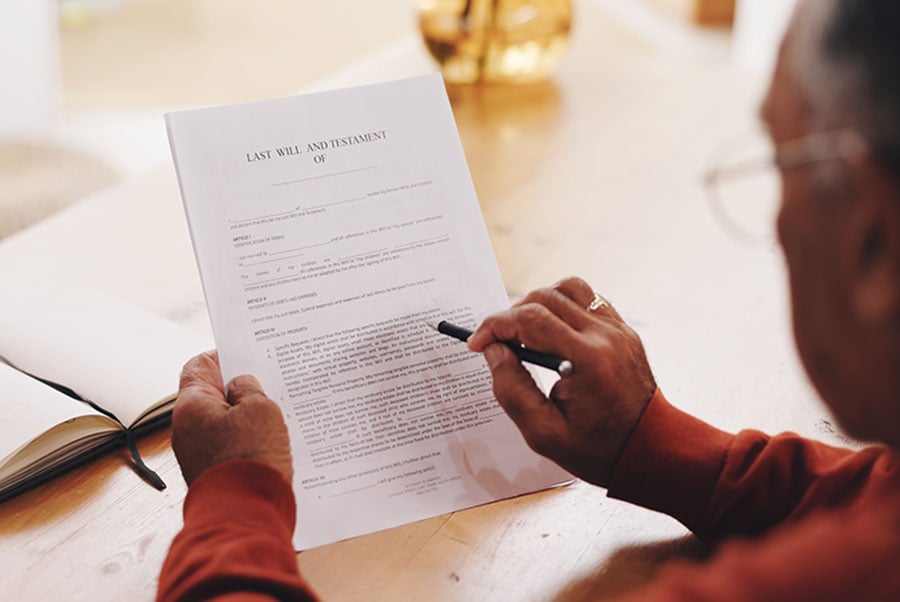
There is also growing value in pre-planning. When individuals record not just the type of funeral they want, but how they wish to be remembered, where, with whom, and in what manner, it removes the uncertainty and emotional burden from those left behind.
In my experience, some gentle guidance from legal advisers can help families to make these decisions together. Prompts could include:
- A preferred location.
- A piece of music.
- Whether the ceremony should be private or shared.
- Whether ashes should be returned, retained, or released in full.
These details may seem simple, but when the time comes they provide executors and families with confidence and clarity at a time when small details can seem overwhelming.
A final thought
What these experiences have taught me is that letting go is rarely about the ashes themselves. It is about having a moment that feels right, one that reflects the life lived, the relationships shared, and the love that remains.
When that moment is thoughtfully created, even after many years, it can lift a weight that families didn’t realise they were still carrying.
About the author
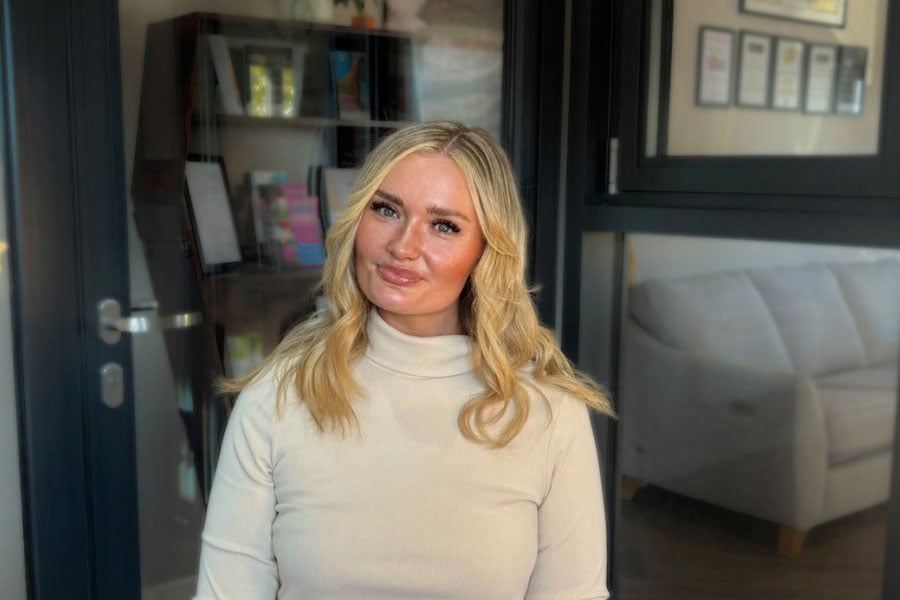
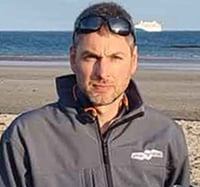 Matt Young is managing director of Aerial Ashes, which offers dignified, accessible and environmentally conscious ash-scattering ceremonies using drones. Matt has 18 years’ experience in bereavement-related services and has spent seven years as a commercial drone operator. Combining compassion with drone expertise, he delivers dignified, fully compliant aerial ashes-scattering ceremonies to give families a meaningful, respectful farewell.












One Response
What a brilliant idea – I love it.