
An officially documented increase in probate caveats highlights a growing number of disputes between families handling estates, according to The Estate Registry (TER).
A caveat is entered when an individual intends to dispute the validity of a will, question the appointment of executors, or raise concerns about undue influence, fraud, or lack of testamentary capacity. Once in place, it effectively freezes the probate process, preventing any grant of probate or letters of administration from being issued.
While the low cost – £3 – of filing a caveat makes it accessible, it may also encourage more speculative or defensive use, particularly in high-value estates where potential gains – or losses – are substantial.
Newly analysed data from HM Courts and Tribunal Service reveals that the number of caveat applications rose by 12% in the 12 months to 31 July 2025, reaching a total of 11,589.
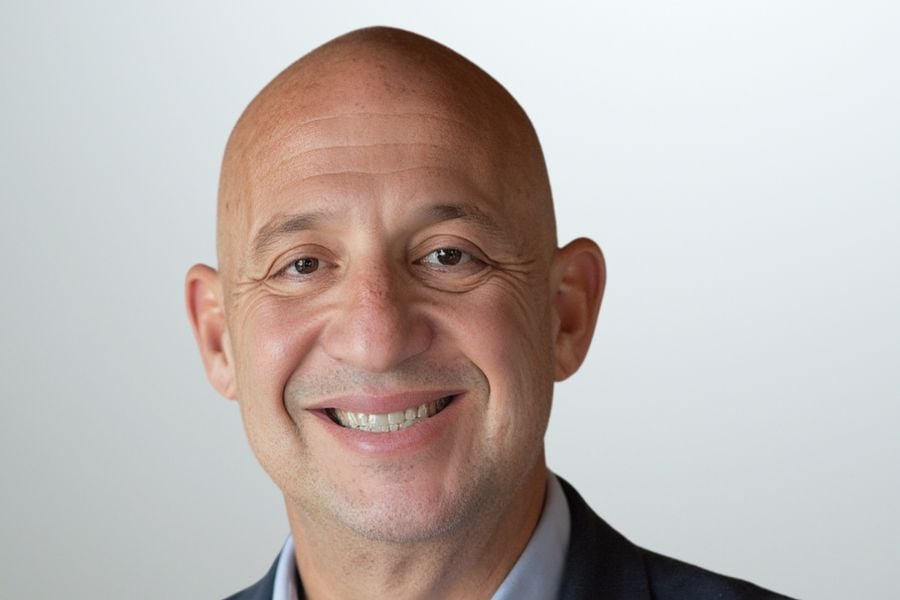
Howard Enders (pictured), chief operating officer at The Estate Registry, the UK’s leading provider of digital estate management services, including InheritNOW and bereavement notification services NotifyNOW and Settld, says: “This rise reflects mounting tensions surrounding inheritance, driven by higher estate values and increasingly dynamic family relationships.
“The increase should be seen as a warning sign. A 12% rise in probate caveats is a clear indication that more families are finding themselves in conflict during what is already a deeply emotional time.
“As property values continue to rise, and living costs rise, naturally the stakes are increased. This, combined with more complex family dynamics, is leading to a higher likelihood of disagreements over both the contents of a will and who should be responsible for administering it.”
The data suggests that disputes are not only becoming more frequent but may also be contributing to delays within the probate system. Separate figures from HM Courts & Tribunals Service show a steady increase in the number of probate cases remaining open for between six and 12 months since July 2025.
Although there was a slight dip in the overall open caseload in February 2026, the longer-term trend indicates mounting pressure. The total number of open probate cases stood at 42,151 in February, with 2,315 cases remaining unresolved for between 12 and 24 months – figures that have been gradually rising in recent months.
Enders continues: “These delays can have significant consequences for beneficiaries, who may face prolonged uncertainty and financial strain while estates remain tied up in legal processes.
“Caveats, while an important tool for protecting the rights of those who wish to challenge a will, can also contribute to bottlenecks in the system when used without clear grounds or as a precautionary measure.”
The broader context of rising property prices across England and Wales has played a significant role in increasing estate values. As more families find themselves dealing with assets of considerable worth, the potential for conflict has grown accordingly.
At the same time, changing social patterns – including blended families, second marriages, and estranged relatives – are adding layers of complexity to inheritance issues. These factors can make it more difficult to achieve consensus among beneficiaries, increasing the likelihood of disputes.
Legal professionals note that the upward trend in caveats aligns with ongoing discussions about the need to modernise probate processes and update existing legal frameworks governing wills and estates.
There have been calls for reform to ensure the system remains fit for purpose in the face of evolving societal and economic conditions. In particular, experts argue that clearer guidance, improved dispute resolution mechanisms, and updated legislation could help reduce conflict and streamline the administration of estates.
For now, The Estate Registry is urging individuals to take proactive steps to minimise the risk of disputes. This includes ensuring that wills are clearly drafted, regularly updated, and communicated where appropriate, as well as seeking professional advice when complex family or financial circumstances are involved.
Enders adds: “Careful estate planning and open communication can go a long way in preventing disputes. While it’s not always possible to avoid conflict entirely, taking the time to put clear and robust arrangements in place can significantly reduce the likelihood of challenges later on.”
As the data suggests, without such measures, the number of probate disputes – and the delays associated with them – may continue to rise, placing further strain on families and the legal system alike.