The hit BBC podcast Grave Robbers, part of the Shadow World series, has brought to public attention a little known fraud where criminals have been using the Bona Vacantia list to identify vacant and unclaimed estates, producing fraudulent wills and submitting them to be awarded grant of probate.
Once the criminals have the grant, they are then stripping the estate of its assets, including any monies in the bank, and speedily selling the property, often for much less than market value so as not to arouse suspicion or incur tax liabilities
The podcast is hosted by BBC investigative journalist Sue Mitchell who was provided with a series of examples of estates where the appearance of mystery wills bequeathing the estates to eastern Europeans, are found to be the work of criminal activity, likely to be organised crime, who have identified and exploited gaps in the online probate systems.
But say the probate researchers named in the podcast, their role and research has been diminished throughout.
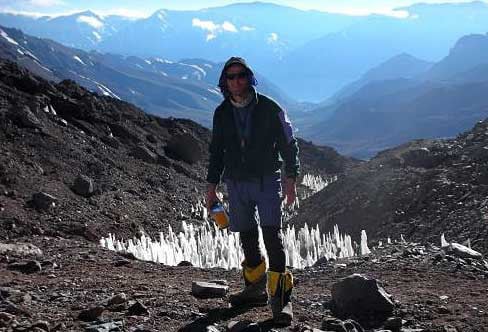
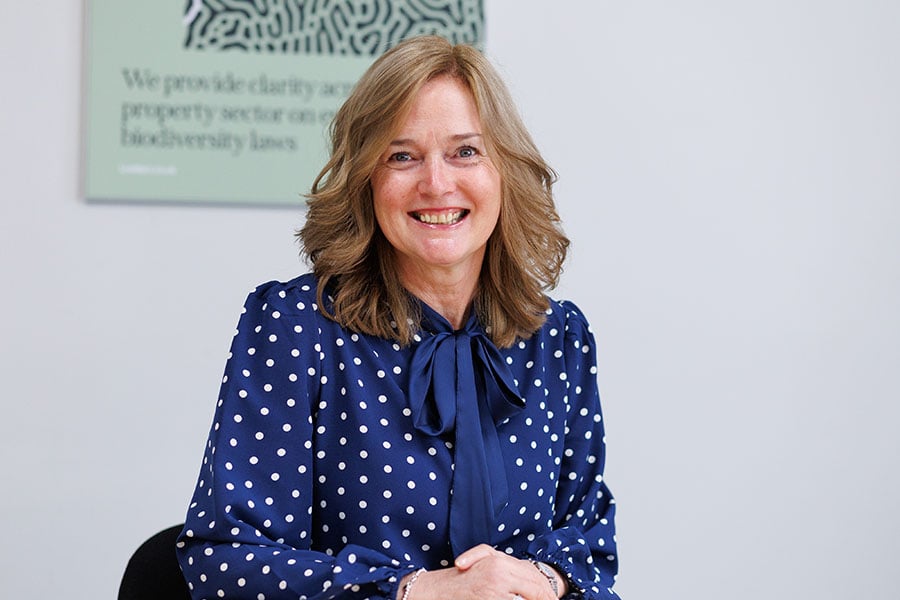
Today’s Wills and Probate has spoken to Peter Turvey of Anglia Research, and Neil Fraser of Fraser and Fraser, both of whom appear in the first episodes of the podcast, who express their frustrations at the presentation of their contribution to the uncovering of the fraud.
It was the probate researchers who first alerted the BBC to the scale of the fraud having spent the best part of a year attempting to get the authorities to look into the issues. Despite efforts to alert police, ActionFraud, the Probate Registry and the Government Legal Department, even the Lord Chancellor and MPs, nobody is listening says Neil Fraser on a recent podcast.
“I’m standing there shouting at people and everyone’s going who is that crazy man, why doesn’t he keep his business to himself.”
adding it is not the role of probate researchers to ‘be sticking (our) nose’ into organised crime.
“My business it to locate legal beneficiaries, not to do serious crimes agency’s job.”
The fraud was initially uncovered in the aftermath of the move to online applications.
“There’s a slackness in the online system which the fraudsters have manipulated to their benefit. This has been a new type of scam that we haven’t seen before”
says Turvey, who says Anglia Research have spent many hours working on the cases mentioned in the podcast including that of Michael Judd, a former employee of GCHQ whose case, amongst others, was one Turvey highlighted to Mitchell, providing her with the extensive research they had uncovered for which the programme provides little credit.
Fraser adds the move online removed a ‘key safeguard’ in the process as the registrar in local probate offices would previously inspect the original will, verify identity, and ask probing questions that often exposed forged signatures or implausible stories. Once this step was removed, fraudsters could exploit the postal route, submitting photocopied ID from anywhere in the world without meeting a registrar.
Although the fraud has only recently been brought to public attention, probate researchers have been flagging such cases since 2024.
“The scale of the problem crystallised in late 2024 during an internal red‑flag review that I conducted while drafting an article on Eastern‑European probate fraud.”
Said Fraser
“ Around the same time, a case assistant listening to Sue Mitchell’s BBC Radio 4 series The Willpower Detectives noticed striking parallels between our experiences and her coverage of fraudulent Powers of Attorney. Those coincidences prompted us to contact the BBC and to publish warnings in Today’s Wills & Probate, on LinkedIn, and on our own website. The number of practitioners who have since shared similar cases confirms that ours were not isolated incidents.”
In correspondence seen by Today’s Wills and Probate, the Government Legal Department had been provided examples of potentially fraudulent estates on Bona Vacantia by Fraser and Fraser. Indeed the emails name two of the alleged perpetrators identified on the podcast; Roland Silye and Tamas Szvercsok.
“Detecting and contesting that document cost weeks of genealogical work, forensic signature analysis, and unbillable legal fees.”
Added Fraser. At the time Government Legal Department advised it
“does not have any regulatory power of investigation or enforcement in these matters; however, we will make enquiries and consult with the relevant authorities, and if we are satisfied that potential fraud may have been committed against BV estates, then we will refer the matter to the police.”
To date the probate registry has similarly declined to show any interest in taking on any responsibility for its failings with the agency telling Turvey they have strict protocols in place to detect any signs of fraud and that all staff are rigorously trained in that respect.
The relationship with Sue Mitchell came out of the frustrations of the failure of any authorities to act; and her expertise in identifying these sorts of frauds having published an equally enthralling podcast series last year investigating the use of Lasting Powers of Attorney to defraud vulnerable people.
In February and March of this year Mitchell was sent the first batches of evidence by Anglia Research and Fraser and Fraser, including anonymised copies of the relevant wills, grants, and supporting evidence, links to comparable Hungarian court filings, and previous correspondence with the Probate Registry and the Bona Vacantia Division amongst other assistance.
While Turvey applauds the work done by Mitchell in her door-to-door enquiries and her bravery which uncovers a wider network of criminal activity throughout the course of the podcasts, he says he feels the research provided by the heir hunters has been downplayed in the series, although acknowledges it has raised the firm’s profile.
“Anglia Research’s reputation for integrity and competence has been enhanced further and every day we are seeing new referrals from within the legal world.”
One of the criticisms levelled at the probate service has been a ‘hollowing out of essential checks and balances’ in the switch to online applications
In Fraser’s view there are three factors which explain the inertia; he says HMCTS have limited resources and a ‘culture of administration rather than investigation’; fees which do not fund proactive fraud detection; and siloed information with no single body responsible for tackling the issue end‑to‑end.
While the Bona Vacantia list remains down indefinitely, what checks and balances are needed for the future to ensure this fraud is stopped once and for all?
“Better security checks will help, but perhaps better training for frontline staff, with an expectation for them to be alert and diligent, would be the greatest improvement. Also, there could be a change in the attitude of public bodies. Currently they act as if there’s a brick wall between themselves and the businesses who regularly interact with them, so instead of listening to concerns and taking them seriously, they decline to enter into any sort of dialogue.”
says Peter Turvey.
For Fraser a reintroduction of live identity verification is a must. He adds more checks around overseas applications in the form of notarised or consular‑verified documents could help, with better information sharing and resource invested into a centralised probate‑fraud intelligence hub which would allow solicitors, heir‑tracers and registries to share red‑flag data in real time, funded by an increase in probate fees.
“I’m convinced this is just the tip of the iceberg. The system is currently too easy to exploit—especially through personal postal applications, which require no interview, no video verification, and very limited ID checks. While we might not be experiencing widespread financial impact at this stage, the warning signs are there. If these patterns continue unchecked, fraud will become more common, more sophisticated, and harder to challenge.
“Raising awareness now is the responsible thing to do—not just for our firm, but for the industry as a whole”
Fraser concludes.
In the meantime there are a handful of outstanding cases but the probate service is still refusing to reject what Turvey says are obviously forged wills, continuing to block his client’s application. The firm represents over 100 defrauded relatives on whose behalf they continue to press the authorities for action. The only recourse left is to take the matter to the High Court for a decision, a process he says Anglia Research is currently funding for one of the affected families.