As Benjamin Franklin once said: “nothing in life is certain – except death and taxes.” With that in mind, The Estate Registry, which offers a range of end of life admin products including NotifyNOW, InheritNOW and LegacyNOW, as well as award-winning bereavement notification service Settld, argues that one of the most important things you can do for your family in the future is to make a comprehensive plan for your estate when you pass away.
This isn’t a case of being morbid. You’re providing your family with reassurance and sparing them the distress and months – sometimes years – of time and difficulty carrying out the administration of your estate.
The starting point is to make a will. Many people will have made one after buying a home, but even those who don’t own property may have family heirlooms to leave to loved ones. Draw up a list of your assets: property, money in banks, shares, valuable paintings, jewellery. Digital assets and businesses should also be considered. Decide who you would like to receive them and see a solicitor.
Similarly, leave a note of account numbers, utility accounts and digital subscriptions for your family.
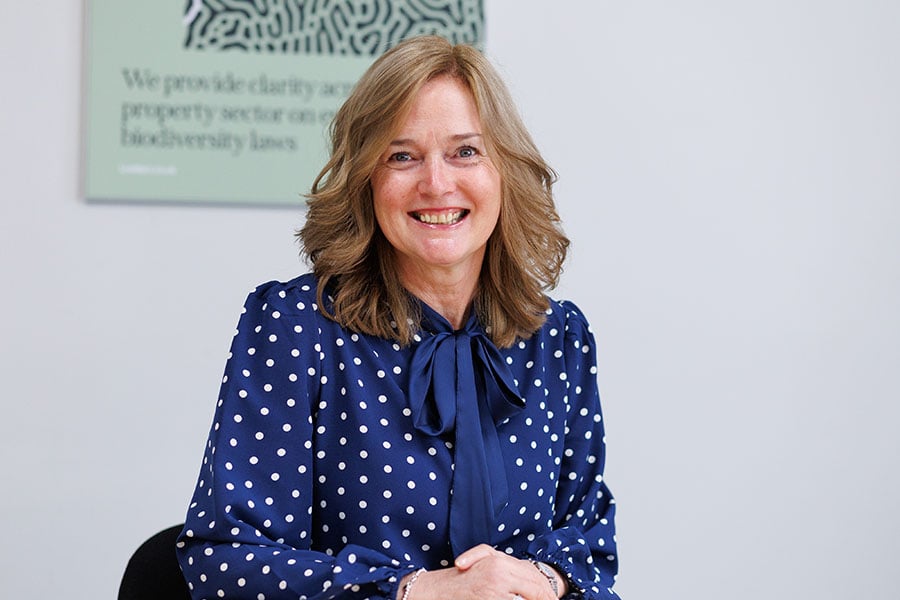
Howard Enders, Chief Operating Officer at The Estate Registry (TER) says:
“Those of us who have dealt with the administration following the death of a loved one know how difficult and distressing this can be, from trying to fulfill the wishes of the deceased, to organising a funeral, to closing down bank and utility accounts, lengthy delays until probate is granted, bills and inheritance taxes.”
Your bereaved relatives may make numerous calls to utility providers, banks and financial institutions to inform them of a death. This can mean repeating information many times, or being passed from one staff member to another. The government provides a service called “Tell Us Once” where you can register a death once, and that information is disseminated to all government departments.
Settld and NotifyNOW offer a similar service to Tell Us Once, but for the private sector, working with more than 1,600 other commercial service providers.
Enders says:
“Research we conducted revealed that nearly three out of four (72%) of 2,000 adults surveyed said that every bank, utility company, and service provider should also have a private sector notification service. At TER we agree, but you should make sure your loved ones are aware of these services, like Settld and NotifyNOW, and utilise them.”
The modernisation and streamlining of estate management systems will improve the process for all involved. The Estate Registry supports the UK Law Commission’s proposals, which include recommendations for digital wills.
TER also urges regulators and the government to go further with a digital first approach to death notifications, including the use of digital death certificates and ensuring all service providers offer digital death notification processes.
Enders adds:
“Many bereaved customers encounter obstacles when attempting to notify companies and finalise estate matters. A consistent, digital-first approach would go a long way in alleviating that burden.”
Find time to sensitively discuss your plans with your family, so that they’re aware of your solicitor’s name, where you store documents and that a plan is in place. If you have children, that conversation – or conversations – should be age-appropriate. Don’t overwhelm them with information or make them anxious. Introduce the subject casually and gently over time so they know you have made provision for them.
Enders concludes:
“Changing family dynamics and modern patterns of living and working can make life complicated in the event of a family bereavement. Making a plan for what happens to your estate means your family will have the time and space to grieve rather than deal with stressful bureaucracy. “
This article was submitted to be published by The Estate Registry as part of their advertising agreement with Today’s Wills and Probate. The views expressed in this article are those of the submitter and not those of Today’s Wills and Probate