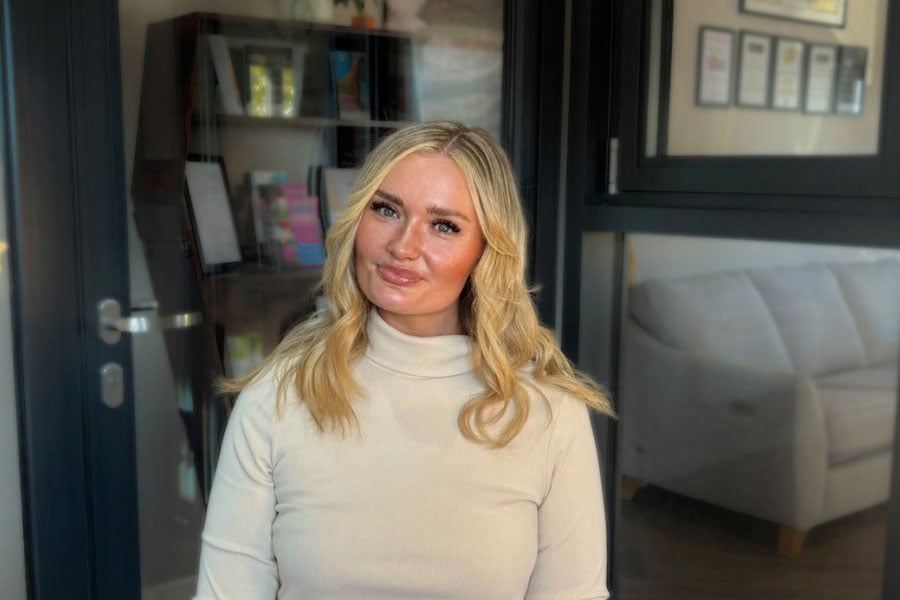
As a Christian myself I know that faith impacts my day to day life and my plans for the future. In dealing with people of all religions, recognising the importance of a core part of my client’s life helps further understand their situation and intentions when we discuss their wills or dealing with administration of an estate. Giving thought to the impact of a client’s beliefs is a subject that I am passionate about being mindful of, not least to truly promote inclusivity but to offer the very best of client care. As part of my role at M&M Solicitors in Cardiff, I regularly deal with clients worldwide. As we all represent a multicultural nation, regardless of where your clients live, being informed about cultural or religious diversity is a useful tool.
In the UK many practitioners are familiar with the Christmas rush with families keen to distribute in time for the holidays but the same can be said for other religious festivals. Knowing when there are significant religious holidays in order to understand that clients may be busy, abroad or to wish greetings is the benefit of being aware of. Christmas is fast becoming a significant time, regardless of someone’s beliefs and there are other festivals, such as Diwali which is a significant in both Hinduism and Sikhism.
Thinking about practice, generally, often law firms and other companies offer alcoholic prizes for promotional and marketing purposes. There are numerous networking events that centre on alcohol such as wine tasting. Not everyone drinks alcohol for religious or personal reasons, thereby offering a non alcoholic prize or option will reach a wider audience. When taking instructions for wills, a persons beliefs can very much impact what they wish to achieve.
The Christian principle of tithing means giving 10% away to charity. Of course, this also brings with it tax benefits in the UK. Whilst the England and Wales STEP Provisions set out the powers of the Executors in dealing with assets; an additional clause to ensure that investments are Sharia compliant is often preferred by my Muslim clients. Of course, I will always advise clients to write a will and not to rely on the somewhat outdated Intestacy rules. The fact that under the Intestacy rules adopted and step children are treated differently can be an unwelcome surprise to families. No assumptions can ever be made as to how a Testator wishes to share their estate and that is why writing a will is so important. According to Islamic law, adopted children are not treated the same as a birth child. In addition Islam allots women half the share of inheritance available to men if they inherit from the same father so the UK Intestacy Rules are not Sharia compliant. I have ensured that clients achieve what they want their legacy to be in their wills, whether subscribing to or deviating from their religion.
Advising clients on the impact of potential care costs has become very important when considering lifetime planning. Cultural and religious norms also have an impact on this, as for some of my clients intergenerational house sharing is far more common and an elderly or unwell family member would not wish to use residential care.
Having an understanding of a client’s situation really does have an impact ensuring that the correct legal advice is given. For example whilst marriages that followed the correct process in the country that they take place are valid in the UK, in the UK an unregistered Islamic Nikah will not be a valid marriage for Intestacy or IHT purposes. Delving a little deeper to ask questions as to whether a Nikah was registered in the UK or if a marriage took place abroad is important. I’ve even had clients agree to get married in the room with me when they hear that unused nil rate bands can be transferred between spouses and civil partners!
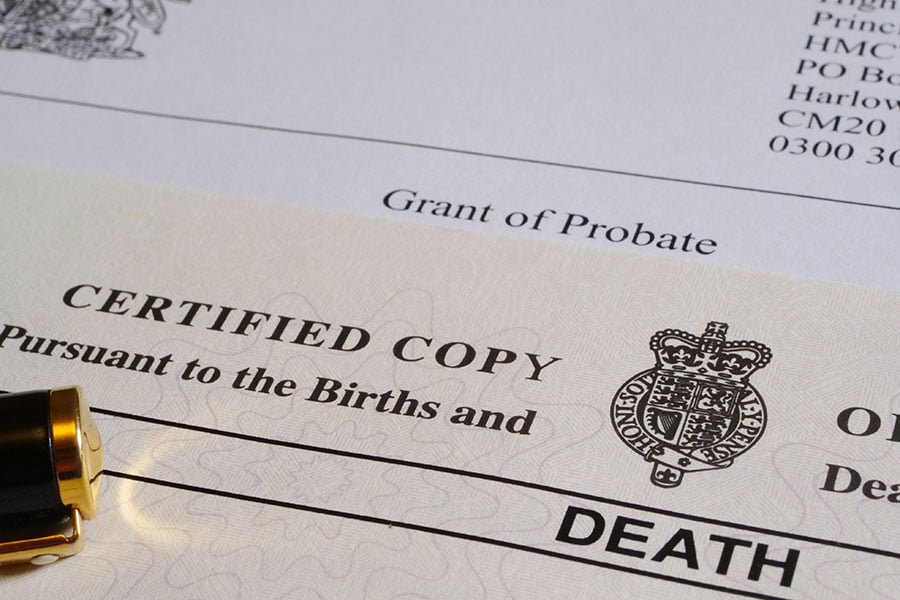
Whilst not legally binding, Funeral requests may also be lead by a person’s religion. As Sikhs believe the physical body only houses the soul, cremation is usually preferred. Burial is also accepted, but there will be no headstone or monument allowed. Organ donations and donating of the body to medical science are both permitted. By contrast, views on organ donation remain divided within Judaism, with some opposing donation due to beliefs about how the dead body should be treated, and differing definitions of death. Once a death has occurred, timing will be relevant with regard when you meet with the family to discuss probate, for example I often meet or arrange appointments with Christian clients before the funeral has taken place but a Hindu funeral typically takes place within one day and sometimes two days after the time of death so will meet clients following the funeral.
It has been my experience that clients with strong religious beliefs may be more likely to have foreign assets, particularly temples or charities. Asking whether a will should operate worldwide or whether they will deal with foreign assets in a foreign will is of utmost importance, particularly so that their UK will is not inadvertently revoked by a later foreign will.
Of course, with all faiths, individual preference or personal outworking of the religion will be important and assumptions can never be made. However broadening our knowledge and awareness does create inclusion and can lead to opening new doors to clients who will appreciate the extra time and attention that you take in welcoming them and understanding their perspective. I do not claim to be an expert on all world religions but theology has always been an interest of mine and I always welcome learning more to better understand my client’s needs.
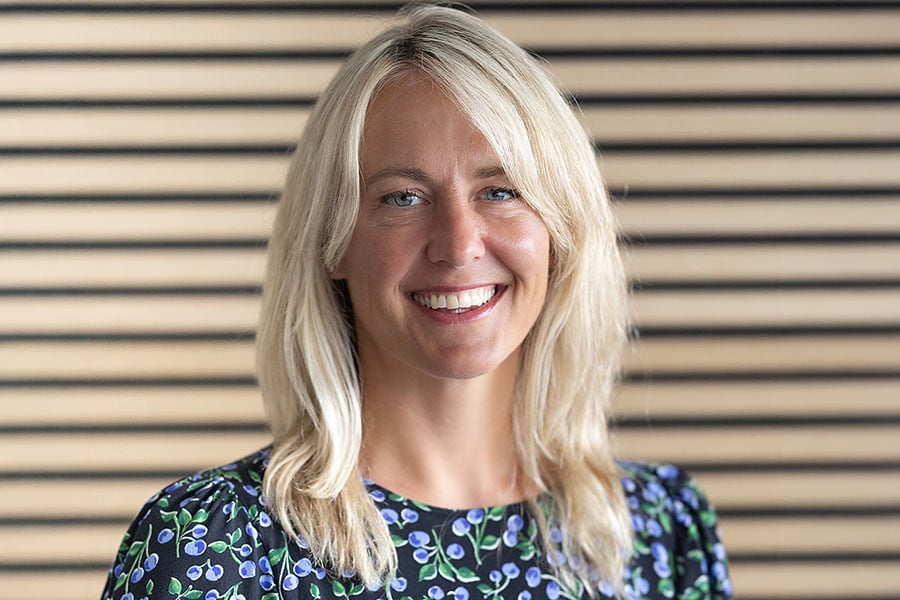
Hannah Williams, Solicitor for M&M Solicitors.