
An industry expert has shared her view on the case of Brenda Grant, who was kept alive against her will.
Despite having written an advance directive which set out circumstances where life-prolonging treatment should not be given, Mrs Grant was fed artificially for two years after she suffered a serious stroke in 2012. Whilst the hospital did possess the advance directive, Mrs Grant’s daughter stated that this was concealed within a pile of thick medical notes.
It was reported earlier this week that her family received a payout of £45,000.
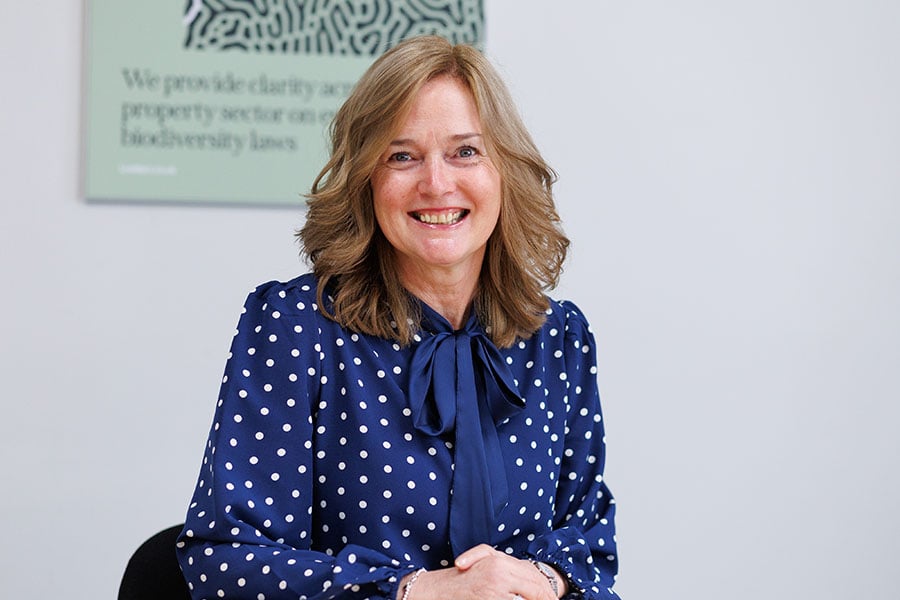
Sharing her view on the case was Eloise Power. An experienced medical barrister, Eloise has a particular interest in cases which raise complex points of law or are of wider social importance. She is regarded by Chambers & Partners as “a formidable junior highly regarded for her vast experience and enviable catalogue of high-profile, high-value cases”.
She told Today’s Wills and Probate: “The tragic case of Brenda Grant encapsulates the need for a national register or directory of living wills. As the law stands at present, there’s no clarity about what should happen to a living will after it’s made. This puts patients at risk of having their wishes unheeded. It also puts doctors at risk of unwittingly treating patients against their will. At present, only 5% of British adults have a living will. Rationalisation of the system is long overdue and may encourage better take-up.”