
Anyone who becomes a company director or person with significant control (PSC) will now have to verify their identity with Companies House.
Identity verification is now a compulsory part of incorporation and new appointments for new directors and PSCs. Verification is being phased in over the next 12 months: existing directors must confirm they have verified their identity at the same time as they file their next confirmation statement, during a 12 month transition period.
Every PSC has a 14-day period during which they must submit a statement confirming they have verified their identity, along with their Companies House personal code. The dates of this 14 day period are different for each PSC, depending whether they were already a PSC on 18th November 2025, and they are also a director of the company.
For those already a PSC on 18 November 2025 and also a director of the company, the 14 day period starts from the company’s confirmation statement date. For PSC’s who aren’t a director of the company, the 14 day period starts from the first day of their birth month.
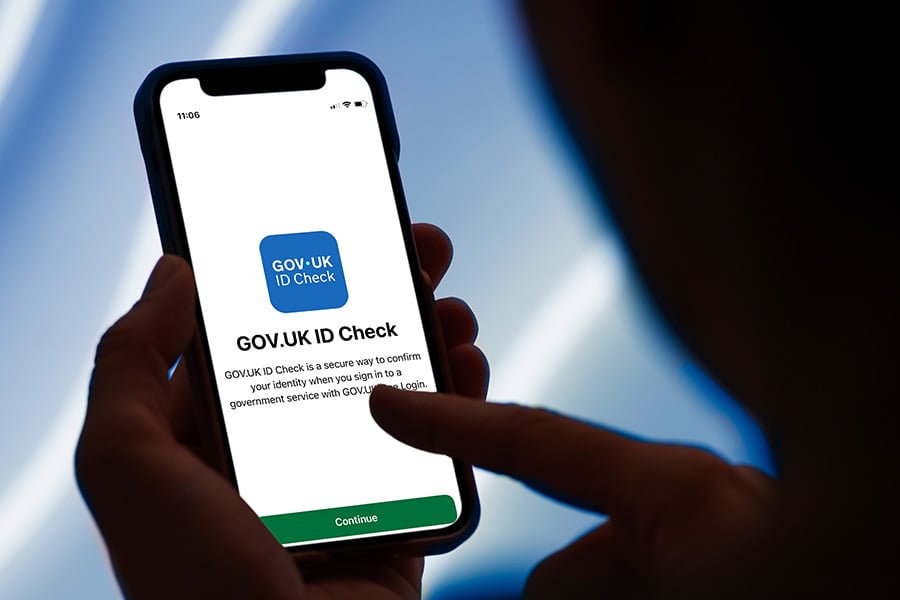
PSCs registered after 18 November 2025 will receive a letter from Companies House shortly to indicate the start of their 14-day period. Identity can be verified directly with Companies House through a GOV.UK One Login, or through an Authorised Corporate Service Provider (ACSP).
‘This change will provide more assurance about who is setting up, running, owning and controlling companies in the UK’, Companies House said.
“Making information on the company register more reliable is good news for business, users of the register and efforts to tackle economic crime.
“Identity verification will make it harder for people to set up companies or appoint directors using fake or stolen identities. It will make it easier to expose disqualified directors, and link multiple directorships to one person, helping to identify criminal networks.”
‘We’re determined to help create an environment where honest businesses can thrive’, said Companies House chief executive Andy King.
“We want them to know that when they’re doing business with another company, the information we hold about them is accurate and trustworthy. We also we want to prevent people starting and running companies for criminal purposes.”
Security minister Dan Jarvis added:
“Criminals are using fake companies as fronts for serious organised crime and they must be stopped.
“These new measures will ensure fraudulent directors are rooted out and banned, as we continue to pursue those who use dirty money for criminal gain.
“We have intensified our efforts with law enforcement to dismantle criminal networks across the country and have recovered more than £300 million overall in criminal assets in the last year.”
Over 1.5 million people have verified their identity since Companies House launched its identity verification service on a voluntary basis in April.
The measures have been introduced as part of the Economic Crime and Corporate Transparency Act 2023, and non-compliance is an offence resulting in a range of consequences including financial penalites, referral to The Insolvency Service and prosecution.
‘Where there is evidence of aggravated, fraudulent or criminal offences, we will use our strongest powers’, Companies House said.
“We will work with law enforcement partners to deter, disrupt and ultimately convict criminals.”
Guidance on verifying your identity for Companies House.