
When it comes to estate planning, choosing an executor is one of the most important decisions you can make and it’s essential to think carefully about who you appoint to carry out your wishes, according to The Estate Registry (TER) which owns a range of end-of-life admin services.
The executor is the individual legally responsible for administering a person’s estate after they die – ensuring that assets are distributed according to their will, debts are settled and legal obligations are met.
Recent media coverage highlighted the case of a man who was appointed executor by his dying brother. Three years later, the estate is still mired in complexity, highlighting the stress and difficulty for a non-professional navigating the probate system, with frozen bank accounts and mounting costs.
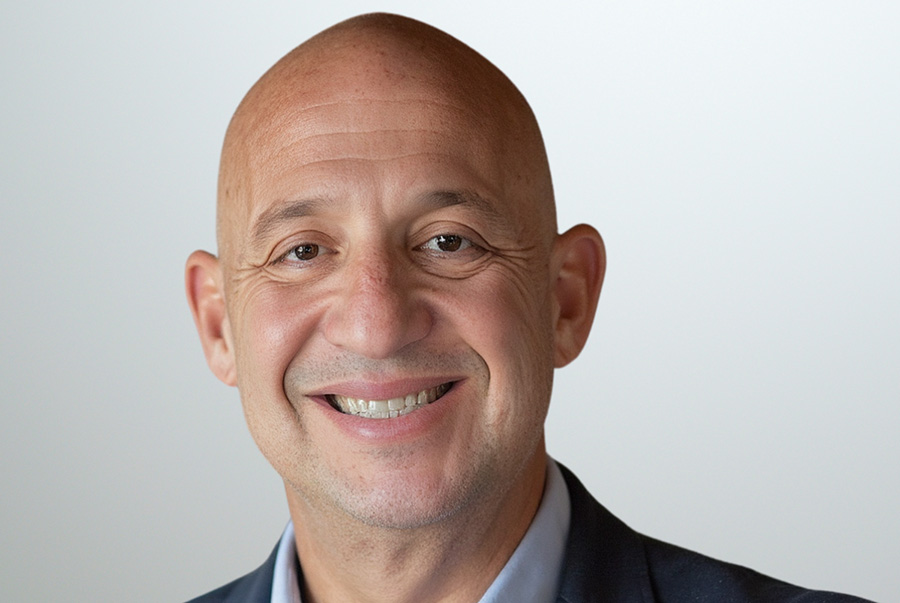
TER chief operating officer Howard Enders (pictured) said:
“The Estate Registry developed InheritNOW to assist grieving families in just these circumstances. Those administering an estate often encounter financial problems and this may compound their distress at what is already a difficult time for them.
“Being an executor is a responsible role with a lot of administration involved. Choosing the wrong executor can lead to unnecessary delays, family disputes and, in the worst case, even financial loss.”
TER offers a range of services designed to simplify estate management, including InheritNOW and LegacyNOW, as well as bereavement notification services NotifyNOW and Settld.
The role of an executor carries significant legal and administrative responsibilities, ranging from applying for probate and settling inheritance tax with HMRC, to selling property, closing accounts, and distributing assets to beneficiaries. If the executor lacks the necessary skills, time, or impartiality, that process can become drawn out.
In addition, executors are personally liable for mistakes, such as failing to settle debts correctly or mismanaging estate funds. Winding up an estate is a time-consuming business, often taking months – or even years – and requiring persistence, organisation, attention to detail and meticulous record keeping. Discuss this with the person nominated to be your executor to ensure they understand the responsibilities and have the time.
Family dynamics can be complicated and the executor must act with impartiality and avoid conflicts of interest. A case from 2025 in which family members moved to have an executor removed indicates the problems that may arise. The executor may also be a beneficiary of the will – which is entirely legal – but that may be a source of contention in the event of a dispute.
Complex estates involving property, investments, or overseas assets may require financial expertise to navigate effectively.
Many people appoint family members out of a sense of duty or convenience. However, professional executors – such as solicitors, accountants, or trust corporations – may be better suited in situations where estates are complex, families are large, or there is a risk of disputes.
Enders added:
“It’s not only about who you trust; it’s also about who has the time, skills, and independence to carry out your wishes in a fair and efficient way.
“To ensure peace of mind, individuals are encouraged to review their wills regularly, discuss executor responsibilities with those they intend to appoint, and consider professional advice where appropriate.”
This article was submitted by The Estate Registry as part of an advertising agreement with Today’s Wills and Probate. The views expressed in this article are those of the submitter and not those of Today’s Wills and Probate.