
The number of people using trusts to manage their money is rising, according to a new analysis by RBC Wealth Management.
The Trust Registration Service registered around 10,000 UK trusts in January last year, a Freedom of Information request made by the financial services firm has revealed. The figures received by RBC cover the most recent period for which data is available, confirming the “sharp spike” in the registration of trusts identified by Duncan & Toplis at the end of last year.
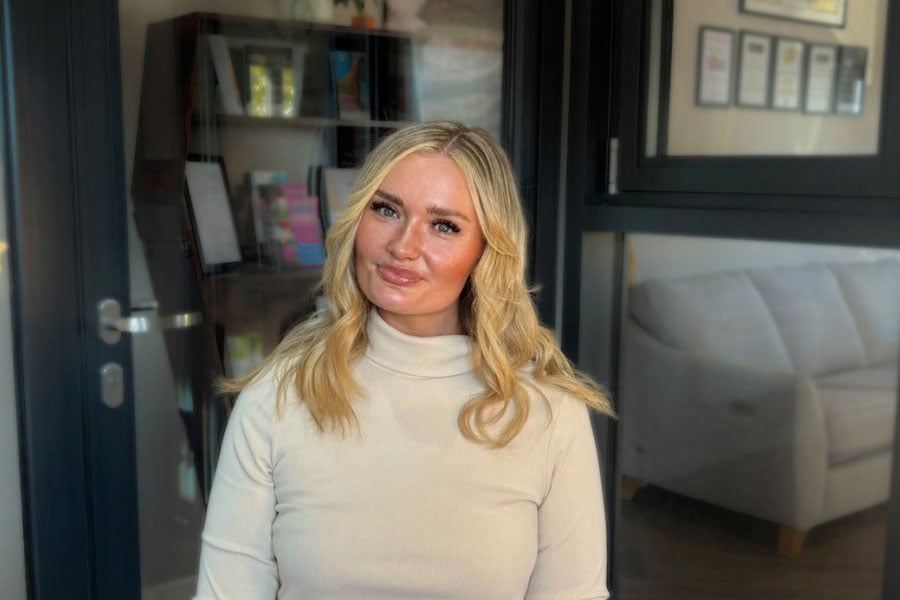
An analysis of HMRC data by the accounting firm revealed 115,000 trusts were registered with HMRC in 2024, which Duncan & Toplis head of trusts and estates Rebecca Bright says carries important implications for private client professionals.
Writing in Today’s Wills and Probate in November, Bright said the change is “more than an interesting statistical shift”, and reflects changing family dynamics, heightened concerns around vulnerability and a renewed appetite for long-term governance.
“Trusts have always held a distinctive place in private client work,” Bright explained.
“They are technical and often misunderstood, sometimes dismissed as relics for the ultra-wealthy or as overly elaborate tax tools. Yet the latest figures tell a different story.
Quietly but steadily, trusts are re-entering the mainstream of estate planning.
“This suggests that families are not turning to trusts to chase loopholes; they are seeking our solutions because they want structure, continuity and clarity. It is no longer simply a question of who needs a trust, but what a trust can now achieve in an increasingly complex legislative landscape.
“So, as trusts regain momentum, advisers must ensure that their planning frameworks remain robust, adaptable and are authentically aligned with clients’ evolving needs.”
According to Bright, several forces are driving the renewed interest, including more complex family structures, later life vulnerability, inter-generational wealth transfer and business succession, and growing administrative and contentious risks.
The resurgence places renewed responsibility on advisers, Bright warned.
“Suitability is still fundamental, of course. Trusts should be recommended where they add real value – protection, clarity or governance – rather than as the default mechanism. Over-engineering such structures can overburden trustees and create unnecessary complications.
“Compliance demands are also increasing. The expanded Trust Registration Service requires accurate reporting and early, thorough education for trustees. Clients will be increasingly looking to advisers to help them navigate these obligations with absolute assurance.
“Integration, too, is essential. A trust cannot be an island; to be effective, it must sit comfortably alongside wills, gifting strategies, business structures and anticipated tax exposure. With legislation and family circumstances changing faster than ever, regular reviews are not simply good practice – they are now essential maintenance.”