As the Spring Statement on 26th March approaches, significant concerns are being raised about the upcoming changes to inheritance tax (IHT), particularly in relation to agricultural and business assets.
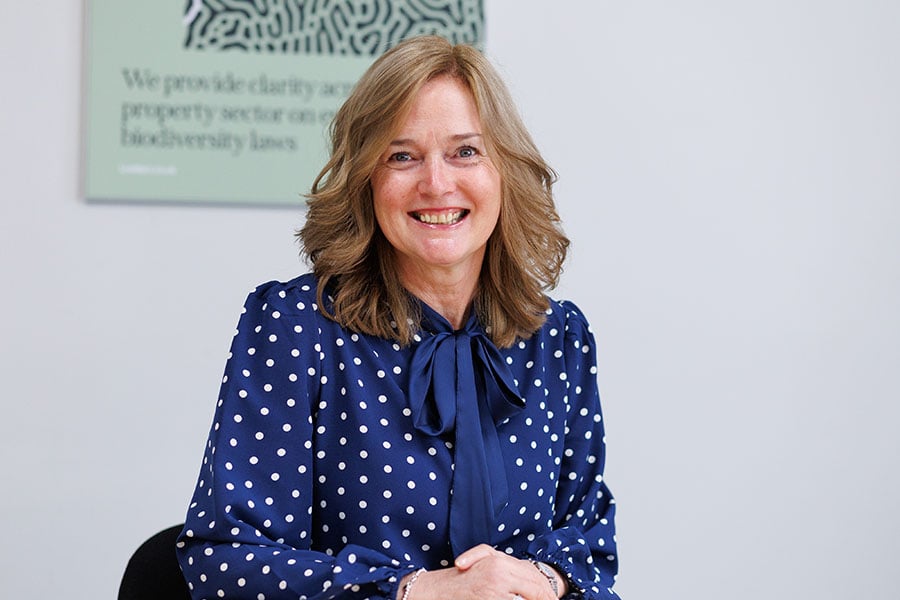
Partners from law firm Spencer West LLP, Hudda Morgan and Hilesh Chavda, share their insights on what we might expect and the potential implications for farmers, business owners, and investors.
Currently, agricultural assets qualify for 100% IHT relief, while business assets receive either 50% or 100% relief, regardless of their total value. However, the reforms outlined in the October Budget are set to take effect from 6th April 2026, imposing a £1 million allowance for full relief, with any excess receiving only 50% relief. Additionally, non-listed shares, such as those traded on the AIM market, will only ever qualify for 50% relief.
Hudda Morgan notes that while current IHT allowances for farms and businesses are generous, they exist for good public policy reasons. These reliefs help ensure food security and prevent farms and businesses from being forced to sell assets to meet tax liabilities upon the owner’s death, thereby protecting jobs and tax revenue. However, she also highlights how these advantages have led to unintended consequences, such as investors acquiring farms not to operate but purely as tax-efficient assets to pass on before selling them posthumously. Similarly, business relief has fuelled the development of investment vehicles primarily designed to exploit IHT exemptions rather than genuinely fostering business growth.
Ireland employs a more targeted approach to agricultural tax relief by ensuring that only “working farmers” benefit. Some key aspects of the Irish model that could be incorporated in the UK include:
- Agricultural assets must make up at least 80% of an individual’s total assets.
- Relief applies only if the recipient has an agricultural qualification and continues farming for at least six years, spends over 50% of their working time farming (including the inherited farm), or leases the land to a qualifying farmer.
- These measures could help maintain the original policy goals of IHT relief while reducing tax avoidance by passive investors.
Hilesh Chavda also highlights potential adjustments to the controversial changes to Agricultural Property Relief, though he remains sceptical about any significant U-turns. He predicts that expectations for modifications to BPR or non-dom tax changes are likely to be unmet.
Another critical issue concerns pensions, particularly how IHT and income tax charges will be applied. The practical challenges of obtaining pension valuations from providers could cause delays in estate administration, potentially holding up tax payments and the distribution of funds to beneficiaries. Pete Glancy, Head of Pension Policy, Scottish Widows, said:
“The Spring Statement should focus on indicators of how the economy has been doing, such as GDP growth, inflation, tax, Government spending and borrowing. While I’m hoping for some exciting news in areas such as Productive Finance, Value for Money and Defaults in Decumulation in the next couple of months, I think in keeping with tradition, we are less likely to see the statement used as a platform for new policy announcement beyond tweaks to the public finances.
It could still mean that anything we do hear on the day could have an impact on things like saving, investing and pensions. The relative performance and attractiveness of our economy could influence asset allocations either towards or away from the UK. Indicators of a recession often favour bonds over equities, and vice versa when things have been predicted to boom. Short-term interest rates trending down could shift people from cash ISAs towards equity ISAs, and longer-term interest rates remaining high may favour annuities over income drawdown.
The trick is to translate what is announced on the day into how it might play out into customer behaviours and customer demand. Then we can look at ways to fine our propositions to best meet evolving customer needs.”