
A judge has criticised an “unusual and troubling” delay in the administration of an estate, caused by disagreements between five siblings and resulting in the body of their mother being stored at an undertaker for four years.
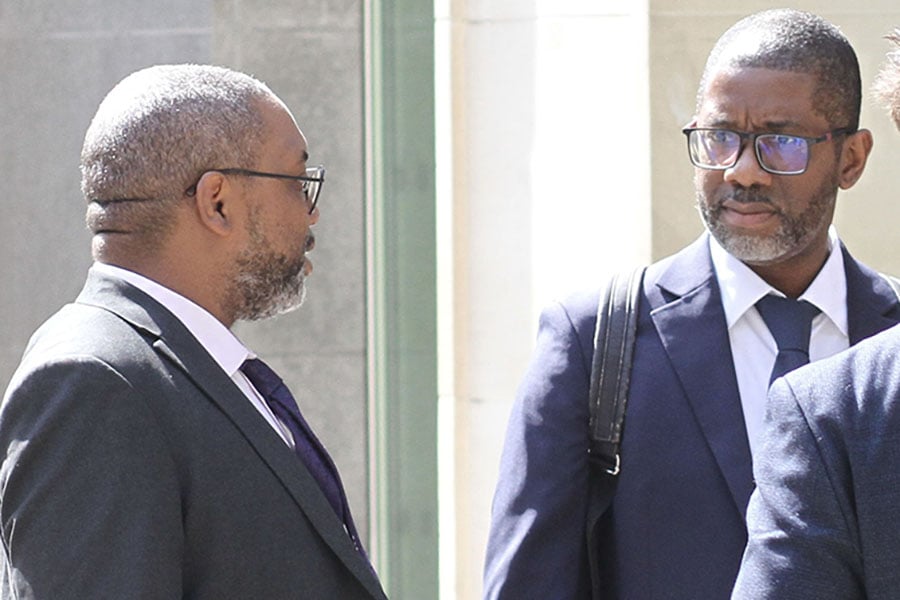
Chief Master Karen Shuman made an order appointing Michael Collins (pictured right) the sole administrator of the estate of his mother Laura Collins, who died intestate in 2022. “Ordinarily, no child enjoys priority over any other”, the judge said.
“However, where special circumstances exist, the court can pass over siblings to support the proper administration of the estate.”
Michael Collins applied to London’s High Court for control of the estate and his mother’s body, after being “messed about” by his older siblings Godfrey and Joan. Michael was supported by two other siblings, Cheryl and Clint.
Following the death of their mother, Godfrey and Joan took on the task of organising the funeral but the court heard there had been an “unusual” and “shocking” series of delays.
Chief Master Shuman said: “It appears to be the case that Joan and Godfrey were unable to accept that the death of the deceased was not the fault of the hospital caring for her. Many complaints were made about her care by Joan and Godfrey.
“Almost four years have passed since her death. The body remains in storage. That situation is unacceptable and cannot be allowed to continue.
“I find that the delay was caused by, or mainly caused by, Joan and Godfrey and the result has been one of paralysis.
“This is not an ordinary case of siblings disagreeing…The result has been stalemate, indignity for the deceased’s body and suffering for her family and friends.”
The judge added: “The unusual and troubling feature of this case is that despite the passage of nearly four years since the deceased’s death, no grant has been obtained and more worryingly she has not been buried.
“I hadn’t realised until I looked at the detail of the case how long it had been since the death, but that is actually quite shocking. I find it just remarkable.
“There may be reason why the defendants can’t cope with or accept the death of their mother, but that is no reason. This lady is a mother and a grandmother, her body needs to be buried.
“There has been a litany of excuses about what was being done. It was suggested there was an inquest, but there wasn’t an inquest.
“This claim is urgent. The deceased has yet to be buried four years after her death and furthermore there is an ongoing storage charge of £20 a day for her body.”
Appointing Michael as administrator of the estate and giving him control of his mother’s funeral, the judge added: “There must be one person in charge to allow the family to come together as far as possible in dignity.
“The deceased can now be laid to rest with dignity. That is what ordinary humanity now demands.”
Michael is to fund the funeral and reclaim the costs from the estate. He will also settle the storage charges of £5,500 and reclaim them from Joan and Godfrey’s share of the estate. The legal costs of the case – £53,331 – are also to be paid from the older siblings’ share of the estate.
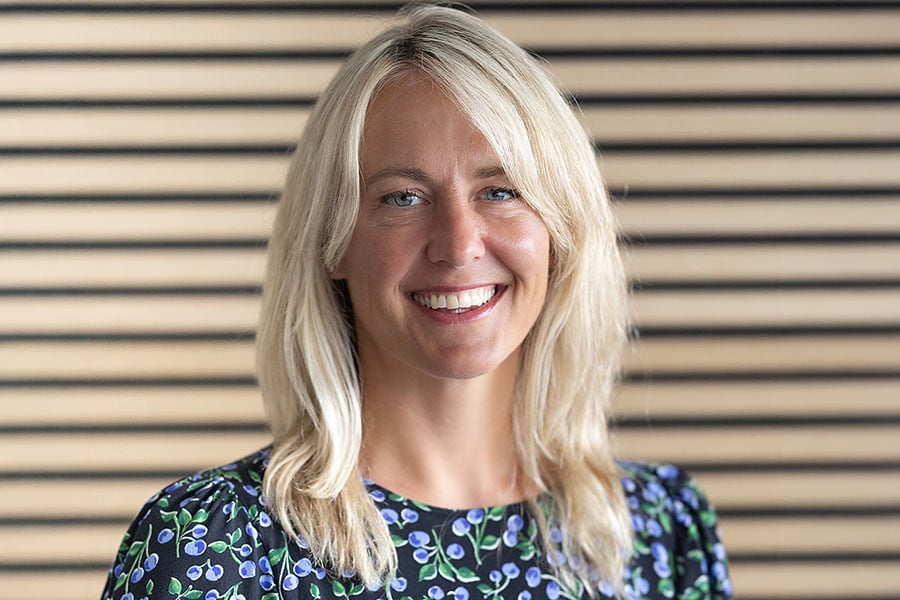
Kate Harris, partner in the private wealth disputes team at Birketts LLP, said the financial consequences are “significant”.
“The outcome serves as a warning that parties who pursue positions that result in unnecessary stalemate may face personal financial repercussions, even where they are beneficiaries of the estate,” she said.
The case also serves as an important reminder that courts “will not hesitate” to remove executors who obstruct the proper administration of an estate, Harris said.
She added: “For practitioners, the decision is a reminder that disputes about the disposal of a body and funeral arrangements often require urgent action. Delays can quickly escalate costs and entrench family divisions. Where there is a deadlock, advisers should be prepared to explore court intervention rather than allowing matters to drift indefinitely.
“The court’s emphasis on dignity, practicality and the need for clear decision-making reflects the broader principle that estates must be administered efficiently and in the interests of all beneficiaries.”
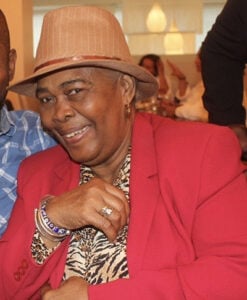
Speaking outside the court, the younger siblings spoke proudly of their mother (pictured right).
“Laura Collins was a mother of five, grandmother of three and a dear friend to many,” they told reporters.
“She arrived in the UK in the 1960s and made her home in west London. Laura worked hard to raise her family by working in healthcare and other service industries. She was a kind and hard-working woman who was well-loved by all who knew her.
“Despite the racism and hostility she endured during the 1960s to 1980s, she loved living in London and had a real sense of community.
“She enjoyed dancing, music and was god-fearing. She loved soca and calypso music, baking and cooking traditional Caribbean dishes.
“She is missed greatly and we are grateful to Master Shuman for allowing us to lay her body to rest.”