Genealogists have warned that the rising popularity of home DNA tests could trigger will disputes and create a moral judgement about what constitutes family in inheritance matters.
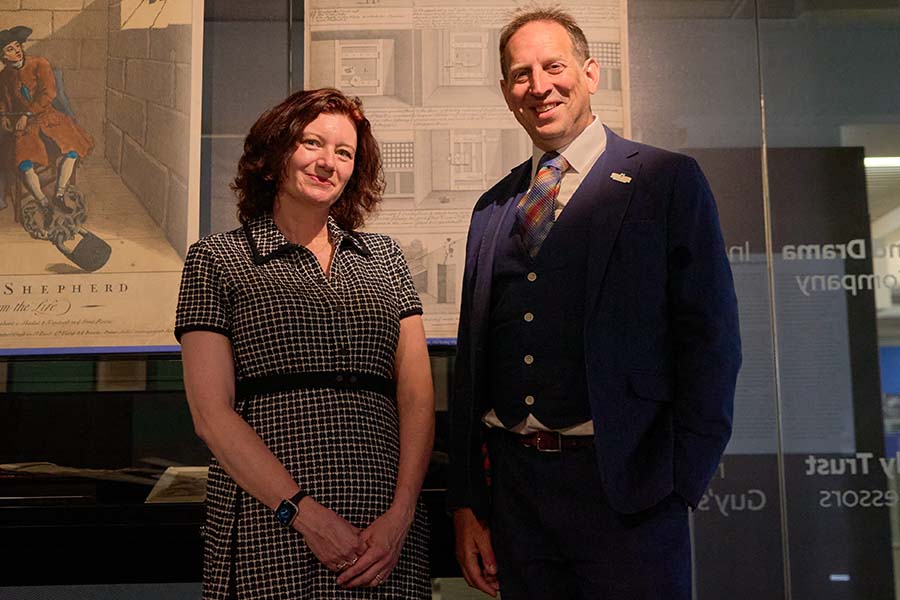
Consumers are increasingly using commercial at-home DNA testing kits to explore their ancestry, identify biological relatives and screen for inherited health conditions. But Neil Fraser (pictured right), partner at geneology specialists Fraser & Fraser, said the kits are being used to prove or disprove a right to inheritance.
Speaking at an event at the London Archives with Professor Turi King (pictured left), who led the DNA identification of King Richard III, Fraser explained the surge in home kits – which have varying levels of quality and accuracy – is leading many to wrongly treat the DNA results they receive as definitive answers to questions of family connections.
“The DNA question is becoming more frequent – we currently have five cases we’re investigating,” Fraser explained. “People assume the results they receive from an online test are final, but they’re often inconclusive and results can vary depending on the provider.”
One popular provider, AncestryDNA, holds the records of 27 million DNA profiles in its database, while another, MyHeritage, holds around 9.7 million. The size and make-up of those databases means someone can submit exactly the same DNA to different providers and receive different matches.
Professor King explained: “One of the biggest mistakes people make is believing a DNA test will answer every question about their family history.
“It won’t. DNA is incredibly powerful, but it’s one piece of evidence and it always needs to be considered alongside documentary research and the family tree before anyone can draw firm conclusions.”
When it comes inheritance claims, Fraser warns relying on the results to prove or disprove a family relationship can lead to misplaced disputes – and a moral dilemma.
“If someone has been brought up as a child of the family and the birth certificate says so, but the test says the father or grandfather isn’t who they thought it was, is it moral or right to take away the right to inheritance?
“In my view, the use of any DNA sample should only be used as part of a toolkit to prove a genetic link in inheritance disputes, not disprove a family relationship.”
King and Fraser warned the use of home DNA tests can also uncover more information than people expect – and are not prepared for.
Fraser said: “People often think they’re buying a family tree when they buy one of these kits. They aren’t.
“What they’re actually getting is one piece of evidence that might answer one question but raise several others.
“I don’t think people always know what they’re getting into when they take one of these tests.
“They expect to discover where their family came from, but instead they can uncover donor conception, previously unknown relatives or family secrets that have remained hidden for generations.”
King also cautioned against relying on commercial DNA tests for medical answers, describing the NHS as “probably one of the best genetic testing organisations in the world” and encourages anyone with concerns about inherited health conditions to speak to their GP.
Fraser concluded: “The fascinating part isn’t taking the DNA test. It’s what happens afterwards.
“The real enjoyment comes from building the family tree, piecing together the records and understanding how all of those DNA matches fit into your family’s history.
“That’s something no home DNA test can do on its own.”