Former celebrity interviewer Gregory Cartwright, now operating as Everseed Studio, considers why a service barely established in the UK is set to become a familiar part of later-life planning, and why the profession is more than ready for its arrival.
What do we keep of a person, beyond what they owned? It’s a question that’s not often been asked in later-life planning, but something is shifting in the industry: a set of services that barely existed in the UK five years ago is becoming more prominent. Services like digital vaults, video statements, whole-of-life storage and recorded personal histories are emerging faster than ever. And that’s worth paying attention to.
None replace the work of a will writer or solicitor. But they share something important and that they are all asking that question that sits beyond traditional paperwork, of what we leave behind, outside of the material.
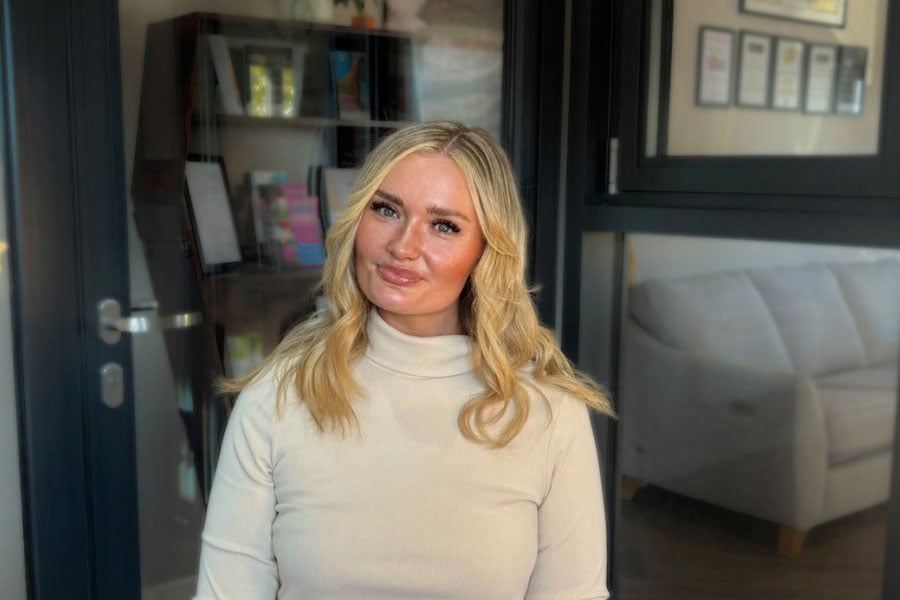
My name is Gregory Cartwright, and I run Everseed Studio: one of the first companies which makes life story films with older people – so I’m at the forefront of this industry-in-waiting. Granted, I’m hardly a neutral observer to this philosophy and market, but what I am neutral about and why I’m writing about it is because the response I have had from professionals has surprised me.
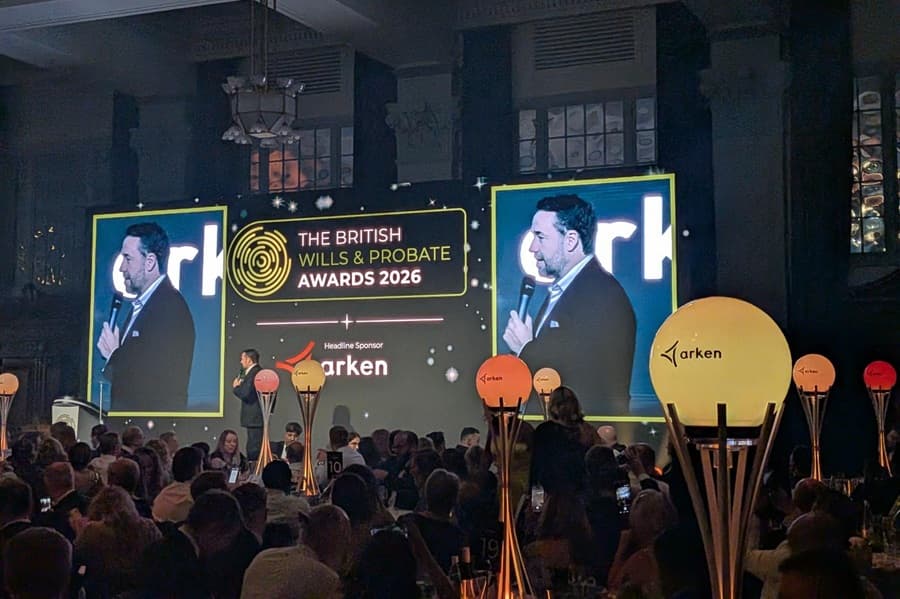
In September, I presented to more than 100 people at the nstitute of Professional Willwriters’ quarterly training – a national training session for will writers. I expected questions about whether recording someone’s life story belonged anywhere near professional later-life planning. Questions about cost, location, practical details, whether it could be done for cultural communities, and how a professional might mention it without making the conversation feel like a sales pitch.
I’ve since had similar conversations with will writers and care-home managers, as well as talking family and friends (and anyone else who’ll listen) through the idea. But among all of these questions, and the strength of feedback for this idea, one comment has stayed with me: “I wish this had existed for my mum.”
Everseed’s market in the UK has not existed for long. There are relatively few providers, little consumer awareness and not even much agreement on what to call the service.
In the USA, life-story and video-biography services are well-established. Prices vary enormously, and can exceed $10,000 for longer packages with professional editing, longer format and more elaborate production. The products which customers want will differ here to across the Atlantic, but this is proof of concept: that this service exists, just not here. Yet. What we’re looking at is the beginning of a new market and addition to later-life planning.
This timing is partly down to tech. Past generations left a box of photographs and letters, or some albums and perhaps a wedding video. Another two generations hence: thousands of photographs and hours of footage, from being on camera since childhood. Video is no longer unusual family history, it’s part of life, everywhere. But there’s still no structured narrative of someone’s life, so most memories will be lost. Their life story, in their words, remains untold. Their solicitor won’t have made that recording, but they may expect someone in later-life planning to have told their parent that the option existed.
How clients define planning is changing, it’s no longer just the will. There are lasting powers of attorney, trusts, funeral wishes, digital assets and secure places to keep important information. The National Will Register now offers a digital vault for clients to organise estate information and documents. All of these are for the people who come after we’re gone.
Rather than data, a recorded life story preserves context: who the person was, what mattered to them, beliefs, experiences, personality, outlook, the sound of their voice. That is primarily how we as a species communicate, after all.
The conversation will adapt only slightly to accommodate this new area of industry: “Has anyone ever recorded your story?”, or “Would you want to leave a message for your family alongside the will?”
Every profession has a moment when something that once felt unusual becomes part of the norm in the service around it. Wills didn’t always sit alongside digital estate planning, funeral wishes and lasting powers of attorney. Those things adapted and evolved because the world around the profession changed.
Recorded life stories are on a similar path. Not because everyone will want a recorded legacy, and not because every client needs one. But because nowadays, content is king. Our lives are lived for all to see on social media. Talk of your carbon footprint has given way to your digital footprint. Take a look at the multiple cameras on your telephone. People are beginning to realise that the one thing worth recording may be people themselves.
Paperwork will always be the backbone of our industry, but the moment has come that alongside it, there’s also a voice.
About the author
 Gregory Cartwright is the founder of Everseed, which creates cinematic life story films with older people and their families across the south of England. A professional interviewer for over a decade, he presented “The person behind the paperwork” to the Institute of Professional Willwriters’ quarterly training in September 2026, and speaks to Society of Will Writers regions through 2027. everseedstudio.co.uk