


Delays in compensation payments to victims of the infected blood scandal means some families are facing unexpected inheritance tax bills in a technicality known as ‘secondary transfer’ after payments to families of victims who have died are treated as part of their estate.
The issue was flagged by the Association of Lifetime Lawyers (ALL) and the Society of Estate and Trust Practitioners (STEP) who published a joint statement in May of this year saying they were working with HMRC to draft legislation that will enable the necessary legal changes to address the issue. At the time the statement said ‘HMRC acknowledges that this matter requires further investigation and is actively working with us to find a resolution.’
ALL and STEP say the publication of the Additional Report on compensation by the Infected Blood Inquiry highlights the need for ‘urgent action to address the harms done to the victims of this scandal and their loved ones.’
The inquiry was launched after more than 30,000 people in the UK were infected with HIV and hepatitis C in the 1970s and 1980’s after being given contaminated blood products. As many as 140,000 bereaved parents, children, and siblings of victims were also affected and are still waiting for compensation. In 2024, the government announced it had set aside £11.8bn to compensate victims of the scandal, after a public inquiry found authorities had covered up the scale of the problem.
Although HMRC has stated that compensation payments will be exempt from inheritance tax, ALL and STEP have identified a ‘critical gap’ when any compensation payment has been made to the family in cases where the original beneficiary has passed away. Through ‘secondary transfer’ those payments are subsequently treated as part of their estates, meaning they are subject to inheritance tax when they pass away.
Some families receiving long-overdue compensation now face unexpected inheritance tax bills, due to delays and technicalities in how the payments are being made say ALL and STEP.
Alongside Richard Dew of barristers’ chambers Ten Old Square they have been pushing for a ‘swift, fair and compassionate resolution’ through the introduction of secondary legislation. They say their proposed legislative fix is supported by the Law Society and would not only help resolve the issue for families affected by the infected blood scandal but could also help victims of other scandals covered under Schedule 15 of the Finance Act.
“Our thoughts today are with the thousands of people affected by this scandal, both the victims and their loved ones. We agree with Sir Brian Langstaff that it is vital that people get the right amount of compensation sooner rather than later. To support this, we wish to play our part in helping the victims of this scandal by providing a prompt resolution to the inheritance tax challenges that delayed compensation has created for some families.”
“We will continue to work with HMRC, the Inquiry team and other partners to ensure the law changes as swiftly as possible, and are encouraged by the progress so far. We hope that the government will act swiftly to ensure that bereaved families aren’t unfairly penalised at such a difficult time.”
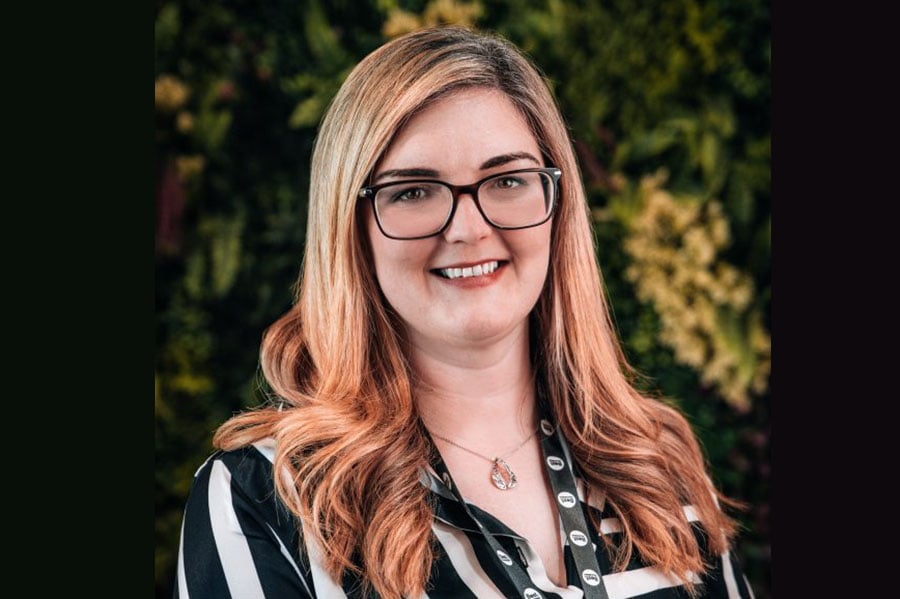
said Jade Gani TEP, the newly announced Chair of ALL and spokesperson for the campaign.
The Association of Lifetime Lawyers, STEP and Richard Dew say they have been in active discussions with HMRC and are grateful for their engagement on this issue. Having met with the Infected Blood Scandal Compensation Authority (IBCA) and engaged with the Inquiry’s office a report outlining the impact of the secondary transfer issue and has been produced, alongside recommendations for resolving it.
Jade Gani TEP, concludes
“If you or your family have been impacted by this issue, we would very much like to hear from you as we continue to gather evidence and case studies to help bring about changes to resolve the secondary transfer issue. Please contact us in confidence via communications@step.org or admin@lifetimelawyers.org.uk.”











One Response
How about the people who met their deaths whilst being rehabilitated at Gosport War Memorial Hospital? The case was not opened for many years, and only then after so many relatives (many of whom have since died) kept pressing hard
for justice. By the looks of it, the doctor concerned will have died naturally before the case comes to court, presumably what the hospital hierarchy has been hoping that they could delay for!