
The Charity Commission for England and Wales is urging all charity trustees and professional advisers to check new rules for accounting that apply from this year.
Changes to the Charities Statement of Recommended Practice: Accounting and Reporting by Charities (SORP) and to the income thresholds in charity law at which charities must follow the SORP and have their accounts examined or audited apply to charities across the UK for financial years starting on or after 1st January 2026.
New guidance has been issued for each of the three main structure types: a trust or an unincorporated association; a charitable company; a charitable incorporated organisation (CIO).
The new income thresholds are £500,000+ for preparing accruals accounts, doubled from £250,000 previously; above £40,000 for having accounts checked by an independent examiner, increased from £25,000; and either above £1.5 million gross income or gross income above £500,000 and gross assets over £5 million for an obligatory audit, increased from £1 million.
The updated SORP also includes new requirements for recognising and reporting on certain types of income and lease arrangements, and new expectations for increased transparency from big income charities.
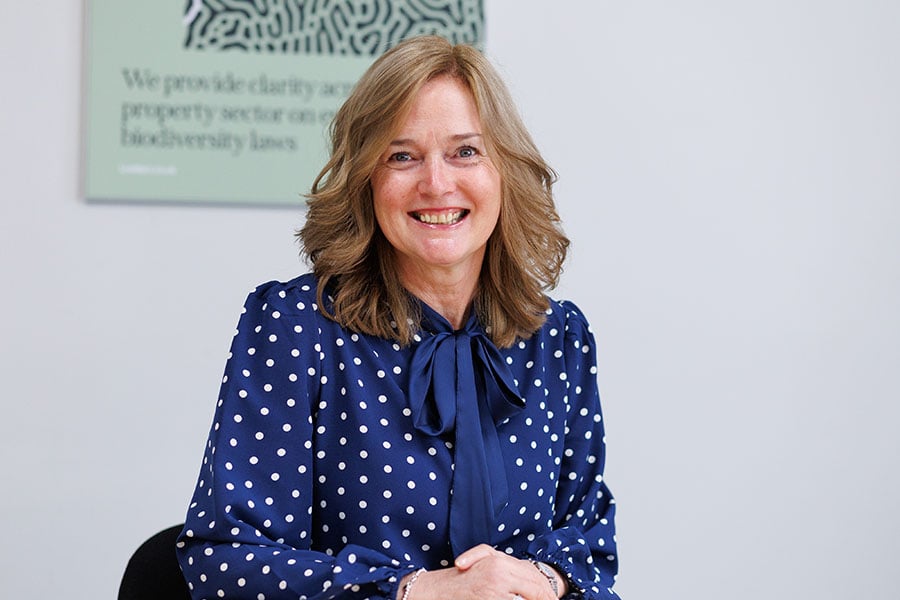
Charity Commission senior trustee guidance manager, Sue Smith, said: “You may need to prepare your accounts differently this year as there are some changes to the accounting requirements for charities in England and Wales. Our refreshed guidance sets out clearly what to do, step by step.
“We’ve also listened to feedback and made our guidance easier for trustees – and their professional advisers – to use and find the relevant information for their charity.”
The Charity SORP 2026 can be viewed on the SORP microsite.