
Campaigners are calling for the urgent digitisation of adoption records in England as a television programme to on ITV has highlighted the scandal of mothers who were forced to put their children up for adoption from the 1940’s to the 1980’s. Many are still unable to locate parents and children and campaigners are still waiting for a formal apology from the UK government.
Long Lost Family: The Mother and Baby Home Scandal features the stories of those affected and the lifelong impact on their mental and physical health.
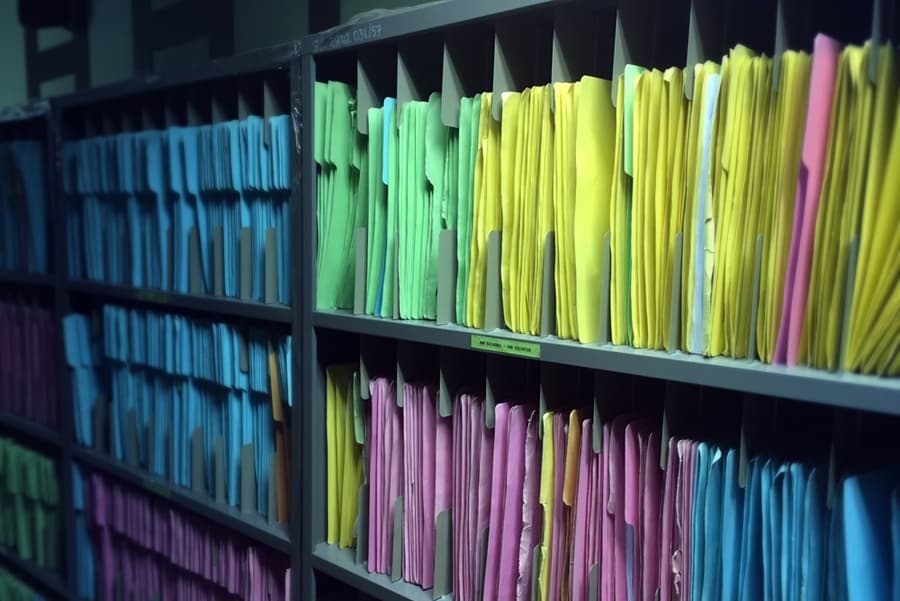
Now campaigners are calling for the urgent digitisation of records to help those affected be reunited with parents and children. The Movement for an Adoption Apology (MAA), said it fears records could be destroyed by plans to merge local authorities in England, and has written to families minister, Janet Daby, calling for digitised archives in a letter seen by The Guardian.
Upon entering government, then-Deputy Prime Minster Angela Rayner published the “English Devolution White Paper” which outlined plans to create Strategic Authorities across England; described as councils working together covering areas that people recognise and work in and placing even greater and power in the hands of local people.
But the move risks the loss of adoption records said MAA, who have written to Daby calling for urgent digitisation of adoption records. In her response Daby said she understood the “historical significance and emotional importance” of adoption records. The minister “to all directors of children’s services across England” had been written to, alongside regional and voluntary adoption agencies “who may hold similar records”, urging them “to retain all adoption records they hold from 1948 and earlier.” A consultation to extend the statutory retention period from 75 years to 100 years is also being reviewed. The UK government’s stance is that legal responsibility for records remains with councils and although “the feasibility of digitising records” had been considered, “the scale and cost … make it unachievable within current resources”.
Westminster are yet to apologise for the scandal, despite calls from former Prime Minister Gordon Brown. In Northern Ireland the Truth Recovery Independent Panel said it had digitised more than 5,500 records from unmarried mothers’ institutions and planned a permanent archive. In Scotland, First Minister John Swinney said he was committed to working with MAA on an oral history project.