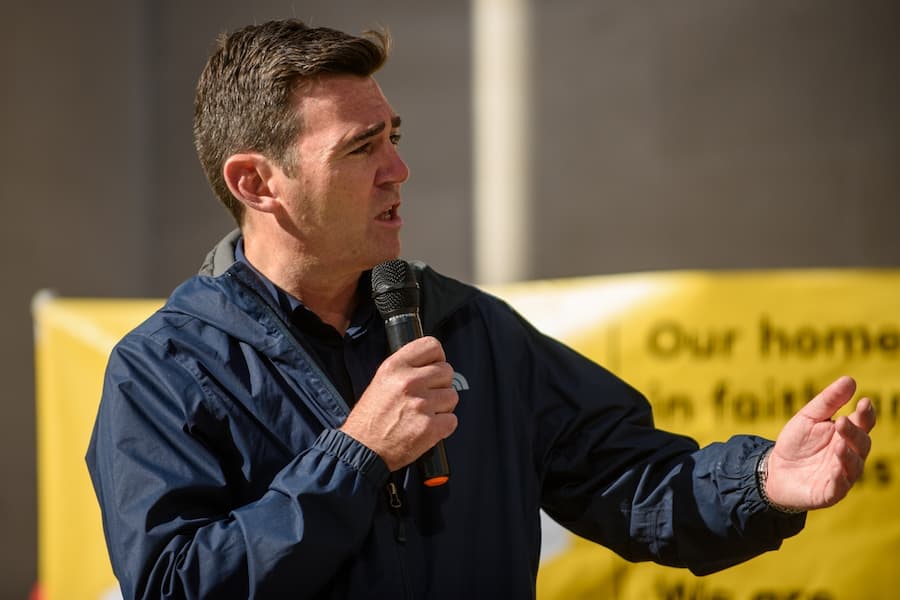

Prime Minister Andy Burnham has used his speech at the Labour party conference to tell delegates his government will end the existing pensions “triple lock” from 2030 to help fund adult social care reforms in England.
Under the current “triple lock” increases to pensions either match the rate of inflation, average earnings or 2.5%, whichever is highest. Under a new “double lock” pensions would instead rise each year with inflation or 2.5%, freeing money to bankroll a universal National Care Service said Burnham.
Speaking in Liverpool, Burnham said the party would honour its manifesto promise to keep the triple lock unchanged for the duration of this parliamentary term. But, he said, it was a promise that took the state pension to a record high and from April 2030 a new ‘double lock’ would be introduced. He explained: “(The state pension) will hold its value relative to earnings over time so that pensioners will always share in the rising prosperity of the nation. But this change will generate significant savings which we will use to build up our National Care Service.
“Some may not realise it but older people with nothing more than the state pension, or only a little more, can find themselves paying care charges today from that small income. Under my plan, this will no longer happen. I can also confirm today our commitment to ensure that the low-income pensioners won’t be dragged into paying income tax in this Parliament.
“So this is the deal. A state pension that rises every year. No care charges. And a high-quality National Care Service to give peace of mind in later life.”
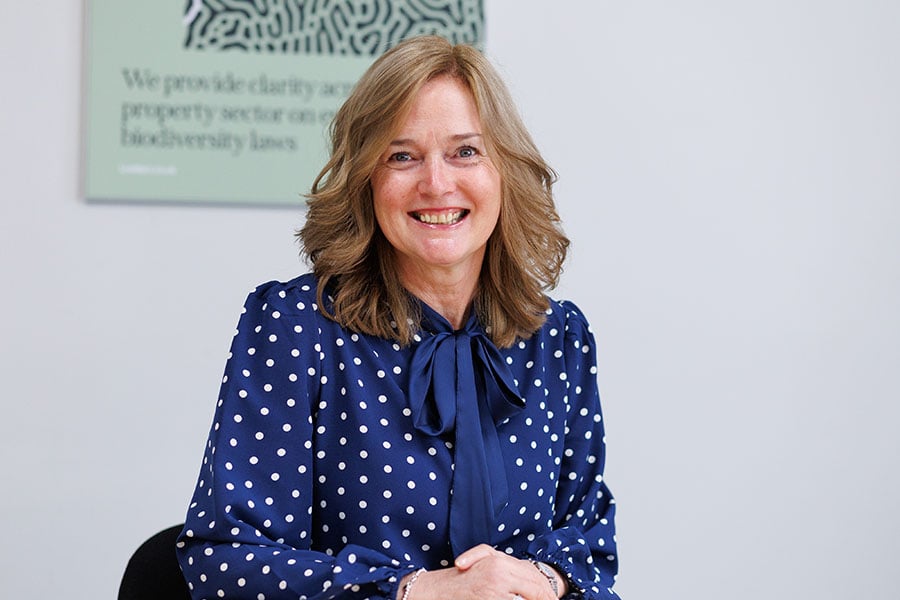
It’s a debate which has been “postponed for too long” said Adam Cole at Quilter: “The triple lock has undoubtedly succeeded in improving pensioner living standards and protecting retirees through periods of high inflation, but growing longevity, demographic pressures and rising State Pension costs mean questions about its long-term affordability and sustainability can no longer be avoided. For too long, reform has been tossed from government to government like a hot potato that no one wants to keep.”
“The commitment to ensure the State Pension ‘holds its value relative to earnings over time’ is particularly significant because it suggests earnings may continue to play an important role within the future framework” said Cole. “However, the devil will be in the detail. At this stage it remains unclear whether that means maintaining the State Pension at a certain proportion of average or median earnings, smoothing earnings growth over a number of years, or using another mechanism entirely. Equally important is what happens when earnings growth runs ahead of inflation or 2.5% for a sustained period. If the State Pension is intended to maintain its value relative to earnings over the long term, there will need to be some mechanism that allows it to catch up with wage growth over time. The broad principle may be clear, but the practical design of the system will ultimately determine how well it balances sustainability with pension adequacy.
The announcement comes as practitioners and commentators continue to raise concerns over later life living standards after claims an estimated 15 million people are under-saving for retirement.
An interim report on the state of retirement by the Pensions Commission identified without action, that figure could rise to 19 million. The findings of the interim report identify low and middle income earners are at most risk, with around half saving only at minimum automatic enrolment levels with little else to fall back on. Just under half (45%) of working-age adults – around 18 million people – are not saving into a pension at all, despite nearly half of them being in work. Just 4% of self-employed workers are saving for retirement, with the percentage even lower among younger self-employed people.