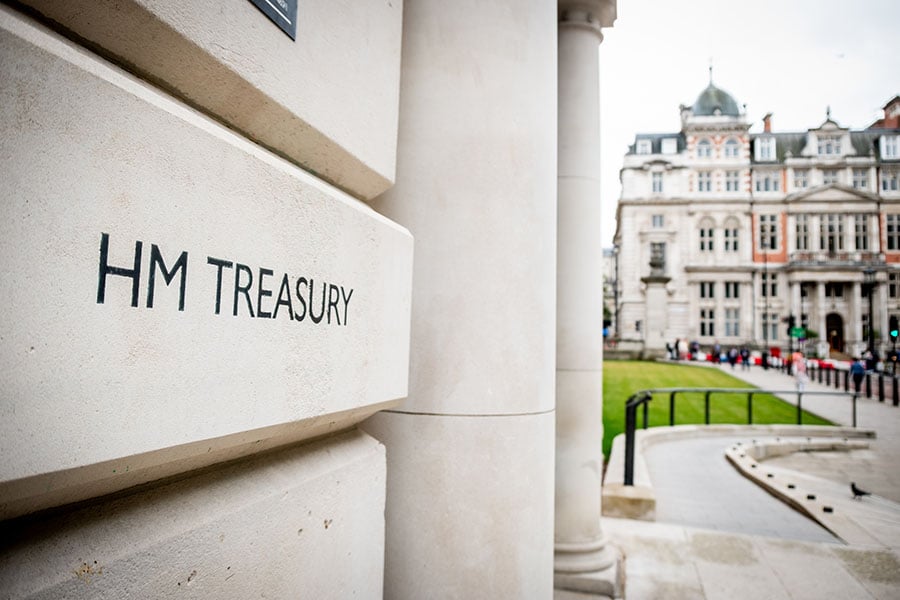

STEP has written to the Treasury to highlight what it says are “serious issues” in the proposed pensions tax changes that will result in families owing tax before probate is granted.
The letter sets out recommendations to resolve eight practical issues STEP says risk creating difficulties for bereaved families, personal representatives, beneficiaries and pension scheme administrators under the current proposals.
The government should “stop making policy changes in silos”, spokesperson Emily Deane said, without considering how they work together, or the cost to families and practitioners trying to navigate it.
“Families and businesses do not need more tinkering and added complexity from this budget”, Deane, the technical counsel and head of government affairs at STEP, said.
“They need certainty – policies that are properly thought through, joined up and actually workable.
“The government has already made significant changes to inheritance tax, pensions, reliefs and international tax rules, but these have been made in silos without properly considering how they work together. This is causing disruption.”
STEP’s letter sets out eight key issues it says need to be addressed: IHT being due before probate; cash-flow pressures caused by pension payment delays; tax on assets that fall in value before being sold; pensions discovered after estate administration; risk of interest charges despite reasonable behaviour; impact on charitable giving incentives; insufficient withholding protections; and APR and BPR for qualifying assets held within a pension.
While STEP acknowledges primary legislation would need to be amended to address some of the issues, the changes would “help ensure the regime works fairly and efficiently”.
Deane explained: [We’ve] highlighted that the proposed pensions changes contain serious practical flaws. They could create a catch‑22 situation where families must pay tax before probate is granted, but funds cannot be accessed until probate has been obtained.
“The proposed pensions changes should not proceed without a thorough assessment of how they will work in practice and their wider impact on the tax system. Unless tax changes are joined up, policies could cost more to administer than they raise in revenue, with families and businesses forced to pay for specialist advice just to understand their liabilities.
“Two-thirds of UK practitioners have reported an increase in clients revisiting estate plans, and 65% also identified changes in tax and tax policy as the most common triggers for clients to revisit those plans.”
The changes wouldn’t alter the policy objective of bringing pensions within the scope of IHT, the letter concludes.
“They would simply ensure that the new regime is workable in practice, reduce administrative burdens, avoid unfair outcomes for families, and minimise the risk of tax liabilities arising from delays beyond taxpayers’ control.”
Read STEP’s letter to the Treasury in full.