In an ever-changing digital world, social media has become an increasingly important tool for legal professionals. With youth-orientated platforms such as Instagram and TikTok offering opportunities to reach new audiences and raise awareness of the importance of wills and estate planning, the need to consider next generation engagement has become increasingly apparent. Today’s Wills and Probate’s Kayla Kerridge spoke to two practitioners successfully using the video platforms about the importance of adapting campaigns for Gen Z.
On TikTok, the hashtag #wills was used 25.5k times in the last five years. Rather than the cliched images of older people in conversation with advisers, the content being shared is geared towards younger viewers, with comic book strip-style videos and day-in-the-life vlogs showing influencers writing their own wills.
The need to reach a younger audience is apparent: a survey by JMW Solicitors last year found that although 77% of respondents said they believe having a will is important, 58% were yet to create a one. Only 25% of those who did have wills created them before the age of 35, and 24% said they don’t have enough assets to need a will.
Half (54%) of the respondents said their family members could amicably and fairly distribute their assets without a will; with the other half lacking confidence their wishes would be honoured.
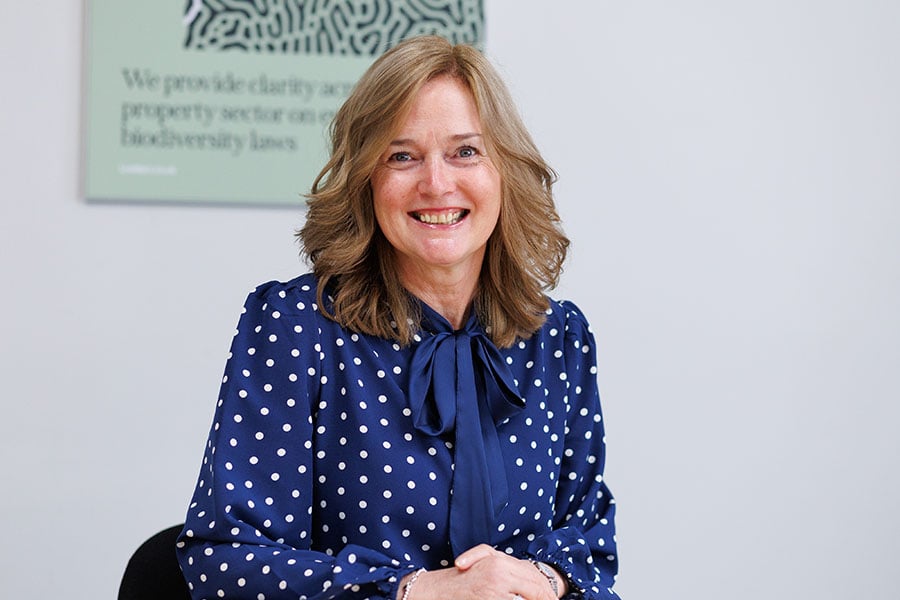
Charlotte Ponder is a director at WillComply, which provides compliance support for will writers, estate planners and probate providers. The company has successfully adopted the use of social media to share its messaging with a younger market, with shortform educational videos on TikTok and informational captions on Instagram.
Ponder believes social media offers a way to establish relationships with those more recognised forms of wills marketing won’t reach. “Trust is huge when families are choosing someone to help them with making a will – you’re asking for someone to help you with what’s going to happen after you’re gone,” she explains.
“There is no more personal instruction you’ll ever give a professional. Social media can definitely help with that – it feels like you meet and get to know someone before ever actually sitting down with them.”
On reaching a younger audience, Ponder says: “Wills aren’t just for the wealthy and elderly. Social media is well suited to tackling some of the issues here – people don’t put off making a will because they don’t care, they put it off because it feels heavy, morbid, and administratively daunting.
“Short, plain-speaking content that normalises the conversation can lower that barrier far more effectively for people who need to make a will – or review a will they already have.”
The personal touch is also much more effective than straightforward marketing message, Ponder believes.
“I would say it’s not just educational content that tips people into action, it’s personal stories. I’ve met clients who saw someone online share their own experience of being disinherited, and it made the risk feel real,” she explains.
“Statistics about intestacy don’t move people the way watching a stranger describe losing out on their family home does.”
From LinkedIn for networking and industry talks, to TikTok representing the more ‘human’ side of a firm, studies show 70% of individuals research legal services before choosing a law firm. It follows that using TikTok to promote the benefits of wills and estate planning is a natural progression.
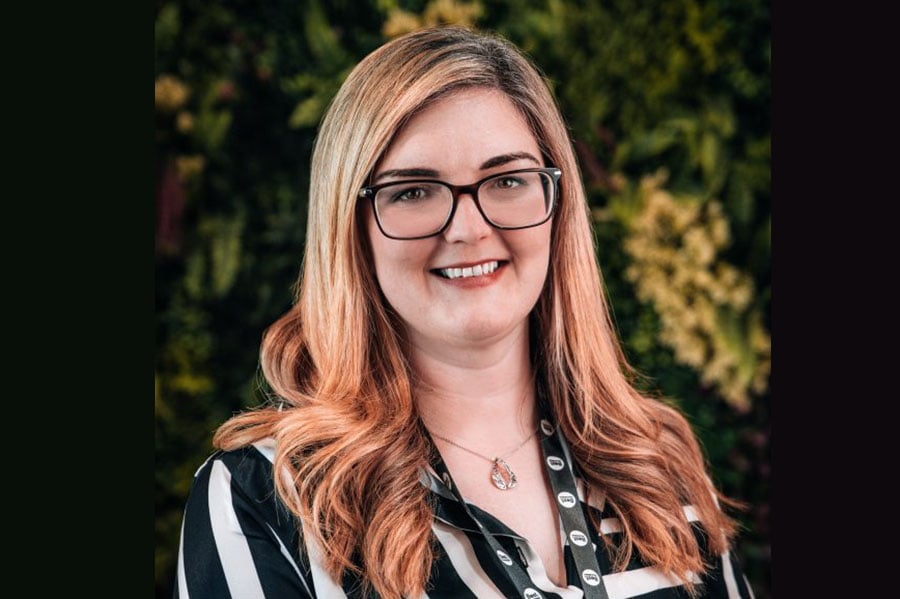
Mike Hiner, the founder of Strategic Asset Protection, is a legal educational content creator with 134,000 followers on his TikTok channel @theassetprotectionguy, 79,000 followers on his Instagram account with the same name, and 88,000 friends on Facebook.
Hiner has carved out a niche with his plain English videos that explain the nuances of asset protection and inheritance planning in simple terms. The success of his channel, he says, is down to “access and demystification”.
He explains: “A lot of people put off getting their affairs in order because they’re worried about looking silly for not knowing the terminology, or they assume it’ll be expensive and complicated before they’ve even asked.
“Seeing a real person explain things in plain English on video takes some of that fear away and makes the first enquiry feel a lot less daunting.
“Most people assume things like trusts, wills, and inheritance tax planning are only for the wealthy, when in reality an ordinary family with a house and some savings can be caught out by inheritance tax or lack of a lasting power of attorney just as easily.
“Social media lets us explain that directly, without the jargon and without the intimidation of a law firm’s front door.
“It’s shifted the legal sector from something people accessed only when they had to, usually in a crisis, to something people can learn about and prepare for in advance. That’s a positive change. The risk is oversimplification, so the professional is responsible for keeping it accurate, not just engaging.”
For all the benefits of educating people of the importance of wills on social media, there’s also a danger that misinformation and oversimplified content can lead people to make decisions based on incomplete or incorrect ‘facts’.
The responsibility isn’t just to post, Hiner says; it’s to be accurate, current, and honest about the limits of what a video or post can tell someone in the place of proper individual advice.
“Start with education, not self-promotion,” Hiner advises.
“People can tell the difference between someone trying to genuinely help them understand something and someone just trying to get clients. If you lead with value, the trust and the enquiries follow naturally. Also, don’t be afraid to simplify. Clarity matters more to your audience than sounding clever.”
As well as educating the next generation of estate planners, Hiner believes the use of social media in the wills and probate sector could help to bust some industry myths,
“The stereotype is stuffy, expensive, and only for wealthy families with big estates,” he says. “Showing ordinary, relatable examples, real numbers and real scenarios chips away at that. It reframes planning as responsible family protection rather than something exclusive.”
Ponder agrees. “I think [social media] has real potential to shift the headline problem in this sector, which is that far too many people still don’t have a will at all,” she says.
“Tik Tok videos and reels are now watched by a huge section of the population, especially younger adults who would potentially never look to put making a will at the top of the to do list – but they will watch a video that demystifies the topic and makes it feel manageable for them.
“Used well, I believe it’s one of the most powerful tools we have for closing that gap and encouraging public engagement with estate planning.”