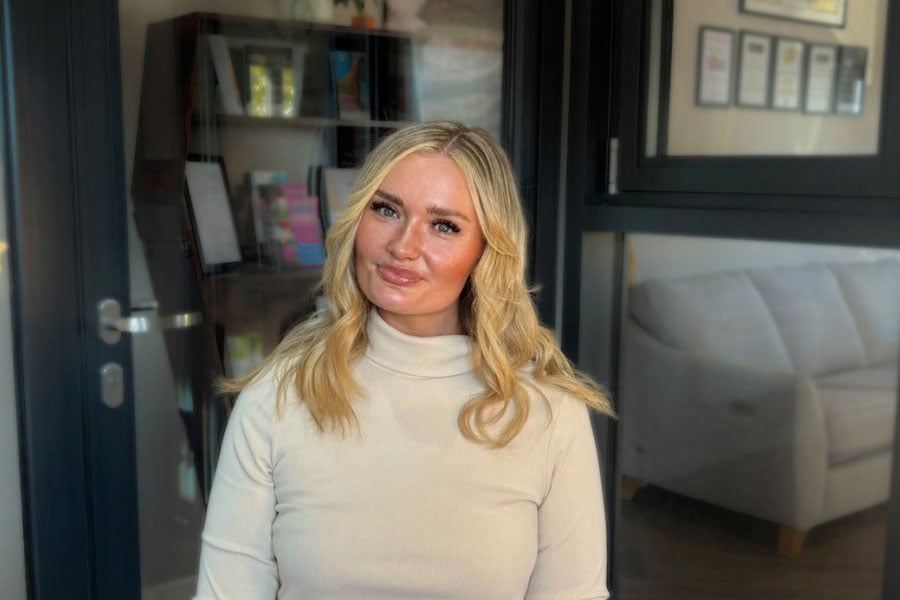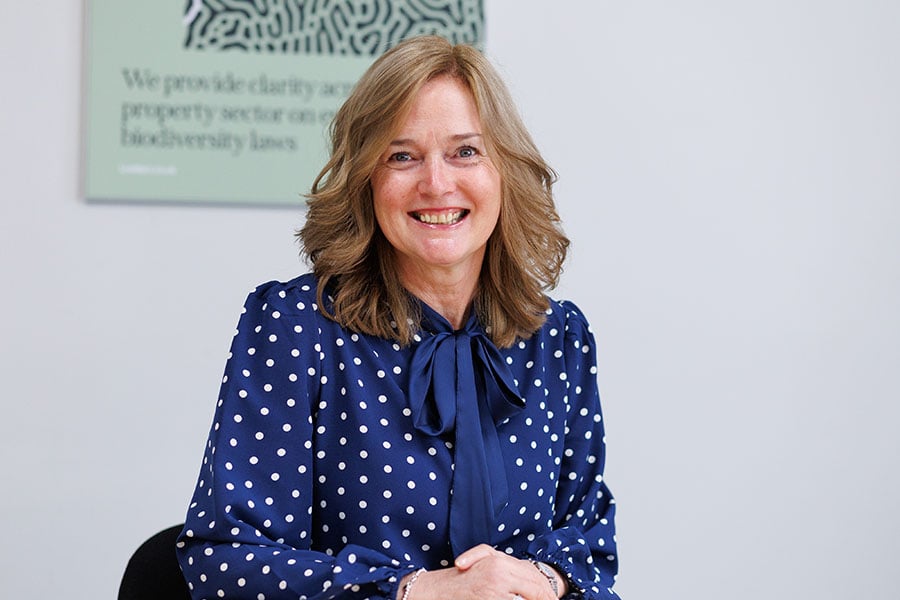
As an associate in the Trust and Probate Litigation team at Stewarts, Judith Swinhoe-Standen advises beneficiaries, trustees and personal representatives on a variety of trust and succession disputes, from Inheritance Act claims to complex international trust restructuring. She also handles matters in the Court of Protection involving those who lack capacity and has acted on a number of appeals to the Privy Council from several jurisdictions.
What was your career path to your current role?
I had an unconventional start to my legal career, as I studied music at university. I then moved to London for the GDL and LPC. I trained at Farrer & Co, then spent three years at BDB Pitmans where I handled a mixture of different types of litigation including regulatory and public law claims, appeals to the Judicial Committee of the Privy Council, and trust and probate disputes. I moved to Stewarts in 2021 to specialise in trust and probate disputes.
Did you have any other career ambitions?
I briefly aspired to be a film composer but in the end I thought that law was probably a safer career decision!
What keeps you motivated in your work?
The intellectual challenge. No two trust or probate disputes are the same. The law in this area can also be quite technical, so combining this with the context of what is often a sensitive family background makes for a constant flow of interesting puzzles.
What has been the best development in wills and probate in the last 20 years?
This is more of a lifetime decision rather than one on death, but the rise in awareness and subsequent making of LPAs has been a positive development. People often feel understandably squeamish about planning for their incapacity or death, but putting an LPA in place whilst they have capacity means that they can make their own decision about who handles their affairs when they lose capacity, and reduces the scope for disputes on this front.
And the worst?
The sensationalised and glamourised way that the press often reports succession disputes, particularly Inheritance Act claims. Many reporters gloss over the relevant legal context, instead focusing their articles on the most salacious details of the cases.
Public interest in these sorts of cases is not a new phenomenon, and admittedly revelations about the deceased’s secret second family make for more interesting reading than dry legal principles. But the fact that journalists of the modern world can report almost instantaneously on court proceedings, including speculation about them, means that the parties’ very personal issues are treated almost like reality TV. There seems to be little consideration for the fact that the claim will have arisen from a bereavement and that being involved in litigation against family members can be extremely stressful and upsetting. I think some more compassionate (or at least neutral) reporting on these claims would be a welcome development.
If you could bring in one new piece of legislation for the sector, what would it be and why?
It’s a small thing, but I would welcome some legislation that modernises the process of lodging and objecting to a caveat. Even taking into account the updates in November 2025, the current rules seem needlessly old-fashioned and complicated, and I think the probate world would benefit from a more streamlined process.
What piece of legislation would you take off the statute books and why?
I wouldn’t necessarily advocate for scrapping the whole of the Wills Act, but I would want to remove the section of it that provides that marriage or civil partnership revokes a will. The whole notion of marriage today is extremely different to how it was in 1837 when the rule was put into place and I don’t think it is necessarily fit for purpose in today’s society. I would also hazard a guess that most people are not aware that marriage revokes a will so, whilst the rule is in place, people at least need to be made more aware of it!
I was pleased to see that the Law Commission’s May 2025 report on Modernising Wills Law recommends that this rule is abolished, and I hope that abolition can be implemented in the not-too-distant future.
What’s the best piece of advice anyone ever gave you regarding your career?
Comparison is the thief of joy. I have worked with so many inspiring and talented people and at times I’ve found myself feeling like an impostor among them.
There’s always going to be someone who’s better than you at something, but that doesn’t mean you’re bad at it – and other people might be comparing themselves to you too! Everyone has their own strengths, and the best working environment is one which incorporates a mixture of different strengths and perspectives.
What’s the best piece of advice you’d like to give to someone just starting out?
Be keen and consider accepting all opportunities that come your way. Don’t be picky – you never know what something might lead to, who you might meet and what skills you might learn from it. Outwardly showing keenness early on in your career fosters goodwill as people are always pleased when someone takes (or appears to take) an interest in their area of practice.
Tell us something people may be surprised to know about you…
I once cycled from John O’Groats to Land’s End. It was great to see so much of Britain from a bike but to be honest it was enough cycling to last a lifetime!
If you’d like to appear in a future profile, email press@todayswillsandprobate.co.uk with ‘Profile’ in the subject line.