
In an industry built on sensitivity, legacy, and trust, personality has become the quiet revolution reshaping how people choose their will-writing partners. For years, the will-writing sector has leaned on professionalism and reliability – qualities that remain essential, but they are no longer enough on their own.
In a digital age, where consumers crave authenticity and human connection, the real differentiator isn’t just what a business does, but how it feels to interact with it.
From Formal to Familiar: A Shift in Trust
Once upon a time, will-writing was perceived as a formal, even intimidating process; a service best handled by stoic legal experts in dark suits. But that tone now feels alien to many modern consumers, especially to families who want reassurance, clarity, and empathy during some of life’s most reflective moments.
Social media, online reviews, and even short-form video content have made it easier for individuals to showcase who they are, not just what they offer. In doing so, will-writers and estate planning professionals who bring warmth, humour, and humanity into their brands can find they connect more deeply and convert more consistently.
When clients perceive a genuine human behind the business, trust builds naturally. A personable tone, a friendly face, and a clear set of values help demystify a process that can otherwise feel daunting.
The Psychology Behind Personality
Research across multiple industries shows that emotional connection drives trust far more powerfully than rational claims alone. According to studies by the Institute for Sustainable Philanthropy, emotionally resonant brands can outperform more transactional competitors by up to 70%. The principle holds true in will-writing, where supplier selection can be driven by emotion. People aren’t just buying a document – they’re making decisions about their family’s future and legacy.
A clear, consistent brand personality, whether compassionate and reassuring, practical and no-nonsense, or witty and relatable, helps clients feel aligned with your values. It becomes the lens through which every piece of communication is interpreted. And in an industry where scepticism still lingers due to past malpractice or low-cost online alternatives, trust is the ultimate currency.
Knowing Who You Are (and Showing It)
Developing an authentic brand personality starts with introspection. What are your firm’s superpowers; those distinct traits that make you genuinely different? Perhaps you’re the ‘wise guide’ who simplifies complex legal language, or the ‘friendly neighbour’ who helps families protect what matters most.
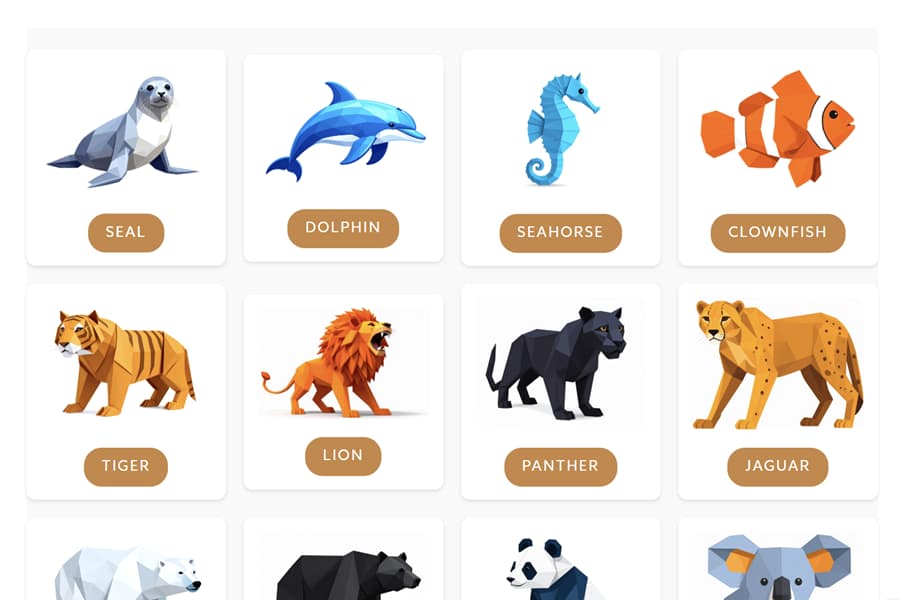
At Growth Animals, we often use our Animal Instincts Brand Personality Quiz, based on Carl Jung’s personality theory, to help businesses uncover those traits. By identifying your brand’s inner animal, be it lion-hearted, owl-wise, or dolphin-friendly, you can express your true nature through every message and medium.
Once you’ve defined it, bring that personality to life. Use language that feels true to you. Create visuals, tone, and behaviours that embody your character. According to IPSOS, brands with distinctive characters or personas achieve six times the recall of those relying solely on logos. This is a powerful reminder that people remember people and personalities, not paperwork.
Personality in Action
Looking at how personality has been successfully applied to some big brands you might be familiar with, Innocent Drinks is known as being the accessible expert-next-door and plays on this personality through conversational copy and approachable branding, while Apple is known for being the polished professional, showcasing sleek design, minimalist storytelling, and premium experiences.
The lesson for will-writers isn’t that you need flashy campaigns – it’s that you just need to show up as your most authentic self. People buy from people they like and trust and, in the wills and probate profession, that trust is priceless.
Measuring the Impact of Authenticity
Personality might feel intangible, but its results are measurable. Look at your engagement metrics: website dwell time, enquiry conversions, client retention, and referral rates. When your personality connects, you’ll notice clients spending more time with your brand and recommending you more readily.
Listen, too, to the language clients use when describing you. Do they echo the traits you aim to project, ‘friendly, ‘down-to-earth’, ‘reassuring’? If not, there’s room to refine your voice until perception matches intention.
The Future of Trust in Will-Writing
As technology continues to automate much of the administrative side of many roles, what remains irreplaceably human is empathy and that’s what personality communicates best. The professionals and firms that will thrive are those who combine digital efficiency with emotional intelligence.
Trust isn’t built through formality; it’s built through familiarity. And in a sector that deals with people’s most personal wishes, personality might just be the most professional thing you can offer.
Chris Thornhill is co-founder of brand growth consultancy Growth Animals