
For generations families have treated solid mahogany tables, oak wardrobes and grandfather clocks as heirlooms that would always be valuable. But when these same items are valued today, the results often come as a shock.
Demand for traditional “brown furniture” has fallen sharply and pieces that once sold for thousands now struggle to attract a few hundred pounds.
Changing tastes, smaller homes and modern lifestyles have all played a part. For solicitors and executors it’s a useful reminder that nowadays style and practicality often matter more than age and craftsmanship.
The Fall of Brown Furniture
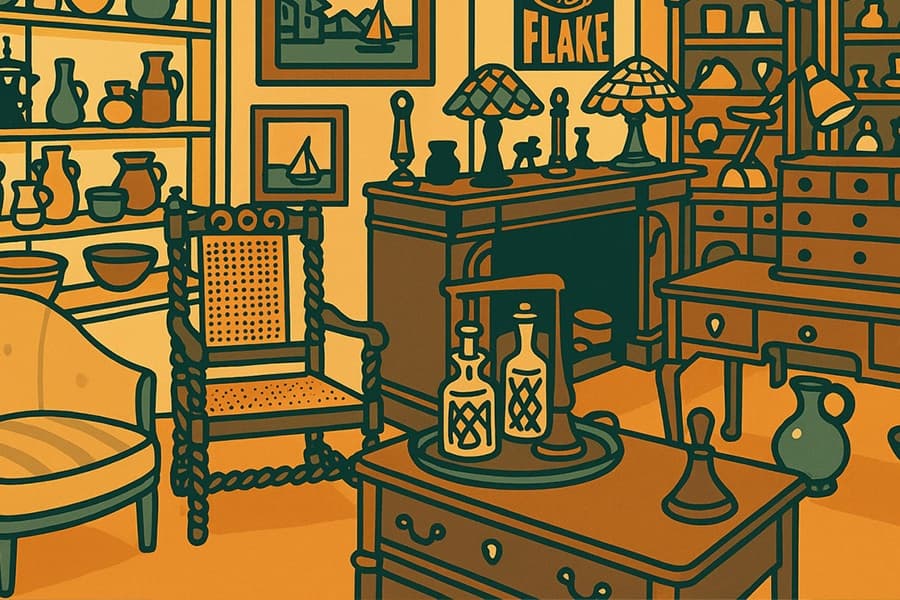
The market for traditional furniture has been in steady decline since the 1990s. The big mahogany chests, Victorian sideboards and oak dining tables that once filled auction catalogues have lost much of their appeal. In the 1980s they were seen as investments and status symbols but today many of them sell for less than a modern flat-pack equivalent.
Taste is the biggest reason. Most buyers now want light, simple and practical furniture that fits smaller homes. The result is an oversupply of old pieces that no longer suit modern living and prices have adjusted accordingly.
Why Tastes Have Changed
Modern homes are smaller, lighter and less formal than they used to be and that shift has shaped what people want – few buyers have space for a large sideboard anymore.
Mid-century and Scandinavian styles fit neatly into modern flats and new builds, while older pieces can look heavy or out of place. There’s also less interest in restoring furniture, with most people preferring to buy something new rather than revarnish a century-old table.
The Rise of Mid-Century Design
While traditional antiques have fallen out of favour furniture from the 1950s to 1970s has experienced a surge in value.
Slim teak sideboards, Ercol chairs and G-Plan coffee tables are now in high demand. Their simple shapes and smaller sizes fit modern homes and they carry a sense of nostalgia that appeals to younger buyers.
Pieces once classed as second-hand are now described as vintage and can fetch strong prices at auction. In some cases, a 1970s sideboard can be worth more than a Georgian one.
What It Means for Probate Valuations
These shifts in taste have practical consequences when settling estates. Families often expect heirloom furniture to be valuable, only to find that most traditional pieces now have limited resale value.
A mahogany dining table insured for several thousand pounds in the 1990s might sell for only a few hundred today whilst a simple 1960s teak sideboard at the same auction would be in high demand.
Age no longer determines worth, and so solicitors and executors should be careful to base valuations on today’s open-market prices rather than those of the past.
A Changing Market
It often comes as a surprise when a much-loved family heirloom turns out to be worth very little, but that doesn’t take away its sentimental value. What matters for probate is knowing what something would really sell for today. That way families don’t risk overvaluing items and paying too much inheritance tax, or throwing away 1970s furniture that could now be worth a small fortune. Swift Values keeps up with these changing trends and offers HMRC-compliant valuations from just £25+VAT to help ensure everything is handled fairly and accurately.
This article was submitted to be published by Swift Values as part of their advertising agreement with Today’s Wills and Probate. The views expressed in this article are those of the submitter and not those of Today’s Wills and Probate.