Charismatic frontman of the Prodigy, Keith Flint, 49, was found dead at his home in Brook Hill, North End, Essex, yesterday morning.
Although the police at the property have concluded that nothing suspicious was responsible for the death, his band mates may have been privy to further information as they claim suicide to be the cause of death.
An Essex Police spokesman said: “We were called to concerns for the welfare of a man at an address in Brook Hill, North End, just after 8.10am on Monday
“We attended and, sadly, a 49-year-old man was pronounced dead at the scene. His next of kin have been informed.
“The death is not being treated as suspicious and a file will be prepared for the coroner.”
A statement on the official Prodigy band Twitter and Instagram accounts, said: “It is with deepest shock and sadness that we can confirm the death of our brother and best friend Keith Flint. A true pioneer, innovator and legend. He will be forever missed. We thank you for respecting the privacy of all concerned at this time.
“The news is true, I can’t believe I’m saying this but our brother Keith took his own life over the weekend.”
After skyrocketing to fame in the mid-90s with their infamous ‘Firestarter’ number one and six consequent number one albums, Flint moved away to the Essex countryside, running a country pub and restoring a mock-Tudor listed home with his wife.
Whilst his rock n roll days may have taken their toll on Flint, he had given up alcohol and drugs following various bouts of depression. He has since admitted that performing live has replaced any rush he once gained from drugs and appeared to be living the idyllic countryside retirement interspersed with the occasional rush from performing live in front of thousands of fans.
In a previous interview with WENN, Keith Flint said: “I got heavily into booze and drugs and flooded myself with that, like a sponge. And then I reeled it in.
“performing is like my drug. You’ve got to go out there firing. There’s nothing sadder than watching a heavyweight boxer and he’s out of shape and getting bashed around.”
Whilst speaking with FHM in 2015, Flint commented: “I’ve always had this thing inside me that, when I’m done, I’ll kill myself. I swear to God that’s not suicidal – it’s definitely a positive thing. The moment I start sh***ing the bed is when you’ll see me on the front of a bus. I’m not frightened of who I am; I just want to look back and know that I’ve lived what I consider a fulfilled life. That’s all. Happy days.”
The shocking news highlights the persistent problem of male suicide in the UK. Although the most recent statistics available from the Office for National Statistics reveal that suicide levels are at an all time low since they were first collated in 1981, 2017 figures indicate that 4,382 male deaths were attributed to suicide and equates to over 75% of the 5,821 suicides registered in the UK in 2017.
Whilst 65.4% of the UK’s population are currently under 50, only 9.2% of male national deaths relate to this age group. This means that of the 602,172 deaths in 2017, 55,860 people died under the age of 65-years.
Although the national male suicide figure of 4,382 accounts for 0.7% of the total deaths in 2017, it represents 8% of the total deaths of people under the age of 50.
Additionally, the highest age-specific suicide rate was 24.8 deaths per 100,000 with males aged between 45 and 49-years, when compared with the national average of just 10.1 per 100,000 deaths, the problem of suicide amongst this age group and gender becomes clear.
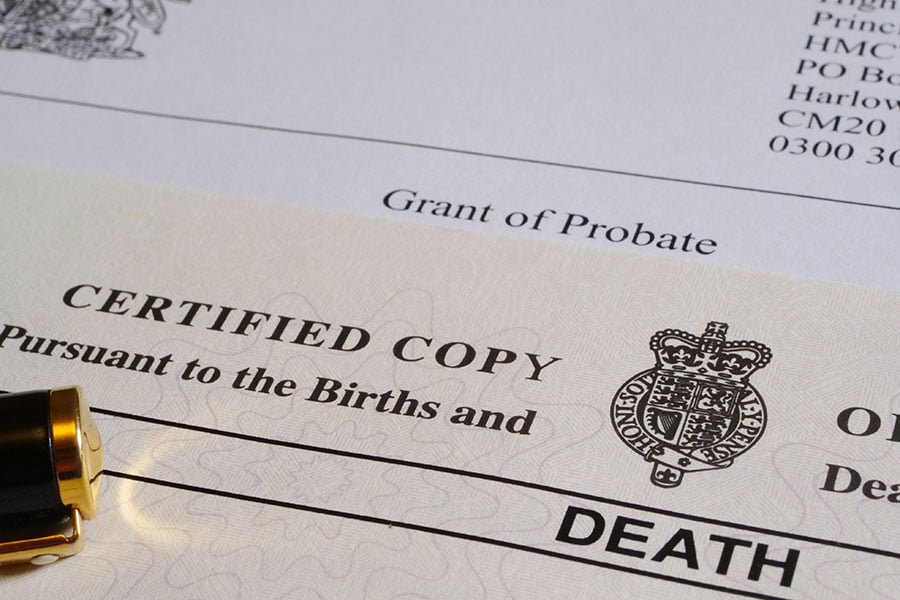
According to the Will Writing Industry Report 2018, only 34% of people between 35 and 54-years have made a Will or ensured that their Will is up to date, with 41% of people viewing their quickly shifting family circumstances as attributing to their reluctance in making or updating a Will.
The circumstances of any suicide are tragic and will leave irreparable damage on those left behind. However, when so few people in this age bracket make a valid Will, these issues can be exacerbated further.