
Amendments have been made to mental health legislation that identifies when a person’s liberty can be legally deprived.
The new law, currently in draft with the House of Lords, aims to protect the rights of people who do not have the capacity to make decisions about their care.
Presently, to legally authorise a DoLS, a person must be of unsound mind and lack the capacity to consent to any arrangements made on their behalf. The old system does not make any reference to a patient’s best interests; this should be covered by the MCA 2005 legislation. However, the lack of clarity on this issue is an uncomfortable omission for many.
Under the current widely criticized Deprivation of Liberty Safeguards (DoLS), held that common law necessity was an insufficient safeguard of rights to liberty (under Art 5 of the European Convention on Human Rights (ECHR)) where a patient/service user (P) lacks capacity to consent to arrangements that amount to a deprivation of liberty, and no other formal legal framework (such as MHA 2007) is being used.
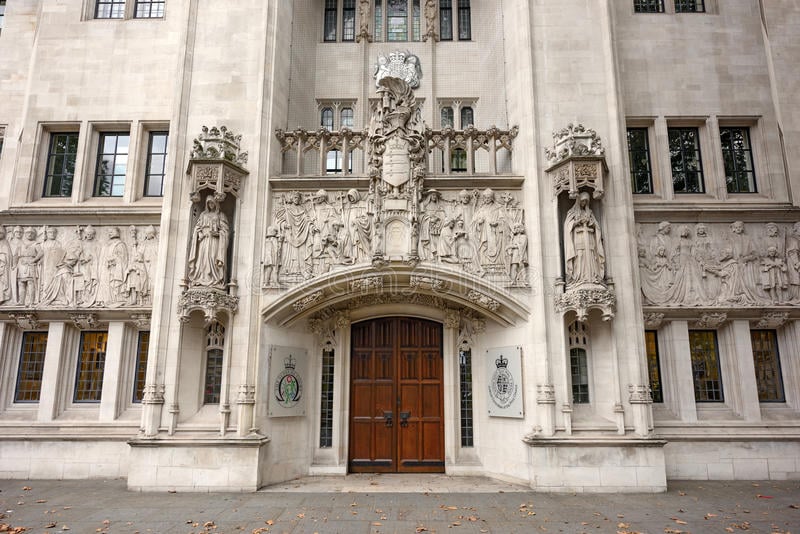
However, the Supreme Court in P (by his litigation friend the Official Solicitor) v Cheshire West and Chester Council and another [2014] UKSC 19, [2014] COPLR 313, identified a wider definition of deprivation of liberty (DoL) to trigger the safeguards, suggesting that the current system was not going far enough to ensure patients were not unlawfully deprived of liberty.
The new system has abolished the DoLS system and replaces it with Sch AA1 reform, Liberty Protection Safeguards (LPS).
Much of the scrutiny of the DoLS was based around the limited settings taken into consideration. Under the old system, the deprivation of liberty only applied to care homes and hospitals.
It is thought the new LPS system will apply to a wider range of settings that will include a patient’s home. Indicating that the new system should consider a wider range of circumstances and could help to protect more vulnerable people.
The current system is thought to save the NHS and local authorities around £200 million, as the overwhelming quantity of court applications should be lifted from local authorities and clinical commissioning groups (CCGs) which commission packages that may amount to a DoL in the community, that are currently used will be abolished.
Additionally, the DoLS system uses a best interests assessor to look at a case before authorisation was granted by the local authority. The LPS framework will seek to use an approved mental capacity professional to approve the context of the case before authorisation is granted.
Overall, improved reform to ensure the civil liberties and freedoms of the nation’s most vulnerable are considered and protected is an integral and valuable piece of legislation.
Will these amendments lead to huge changes in the way your company looks at mental capacity? Do these amendments and reforms do enough to clearly define what constitutes a deprivation of liberty?