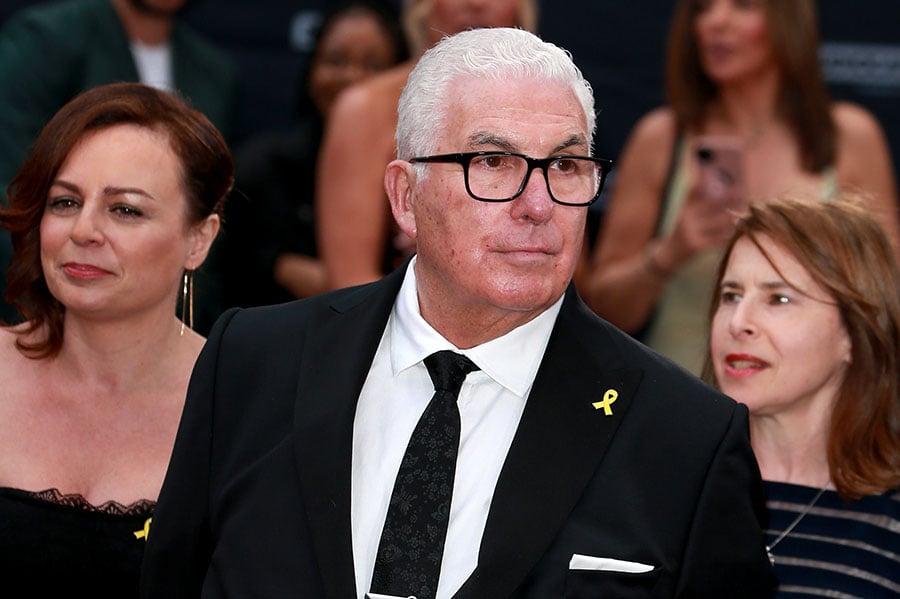

On Tuesday 1st January 2020, the news broke that Terry Jones, one of the stars of Monty Python had lost his battle with a rare form of dementia and passed away aged 77.
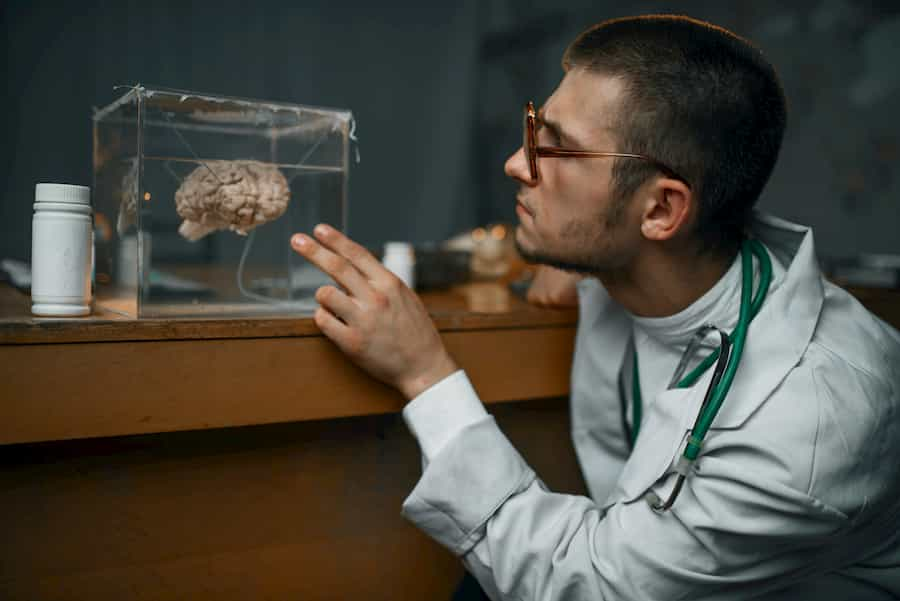
It has now been revealed, that the star has donated his brain to science. With his family saying it was added to the bank at the University College London’s (UCL) Institute of Neurology.
In 2016, Mr Jones was diagnosed with primary progressive aphasia, a rare form of frontotemporal dementia.
He received treatment from the UCL.
The disease, which got progressively worse over time, affected Mr Jones’ ability to communicate as it caused the part of the brain imperative for speech and language to deteriorate.
After speaking to his family and doctors, Mr Jones made the decision to donate his brain, to see if it would help doctors understand more about the disease.
Shortly after his death, the operation was conducted with the organ harvested and transported to the UCL.
Professor Thomas Warner, Director of the Queen Square Brain Bank at UCL told the Daily Mail:
“Studying brain tissue helps to advance our understanding of these conditions. Donation is not that common and it is incredibly valuable.”
Organ donation is a taboo subject, but in Spring 2020, laws will change and will see people needing to opt out of organ donation as opposed to opt in.
The Government estimate that this change could save up to 700 lives a year.
Do you discuss organ donation or leaving body parts to science with your clients?