
New research suggests just over half of female retirees say they are satisfied with their retirement income, compared to nearly seven in 10 men based on a survey of 5000 retirees.
Undertaken by wealth management firm Quilter, the research shows that 57% of women are satisfied with their household income in retirement, compared with 68% of men. Although the percentage of satisfaction is higher amongst married men and women, the same discrepancy between the sexes persists, with 72% of married men reporting satisfaction, versus only 63% of married women.
The results, published in Quilter’s inaugural Retirement Lifestyle Report, demonstrate the ‘persistent gender gap in retirement income satisfaction, state pension reliance and financial resilience’ say the firm; which places women under greater financial pressure in later life.
Women also rely more heavily on the state pension, which accounts for 32% of their income on average, compared with 27% for men. Among widows, reliance rises to 44% – ten percentage points higher than for widowers.
Women were also more likely to fear financial insecurity and be concerned about rising costs and inflation, with 46% saying the high cost of essentials makes them fearful for their ability to maintain current living standards, compared with 37% of men.
Recently published Office for National Statistics (ONS) figures show among all employees, women in the UK earn 13.1% less than men on average. And, given they are more likely to take time out of the workforce to grow their families, lower overall pension savings contribute to a gender pension gap of around 48% for those aged 55–59 according to the Department for Work and Pensions. Men, on average, had savings of about £20,000 while women had just £11,432. Fewer women had any savings, with about two thirds saying they had money set aside, compared with three quarters of men. The ONS also found that women’s wealth, including property, was about £100,000 lower than that of men.
Kirsty Anderson, retirement specialist at Quilter, commented:
“We are all familiar with the gender pay gap suffered by working women, but it is crucial to recognise that this inequality doesn’t end at retirement – it deepens. Our data underline that the financial disadvantages women face during their working lives translates into poorer retirement outcomes and lower satisfaction.
“Women typically live longer and are therefore expected to make their retirement income stretch further. The compounding effect of lower pay, career breaks and reduced pension contributions leave many women more reliant on state support in later life.
“This also highlights the importance of couples discussing their financial affairs and ensuring both partners have access to accounts and plans. While these conversations can be difficult, they are essential – especially if one partner has lower income than the other. Seeking professional financial advice, or support from services such as MoneyHelper, can help couples put the right protection in place, ensuring peace of mind and financial security for the surviving partner.
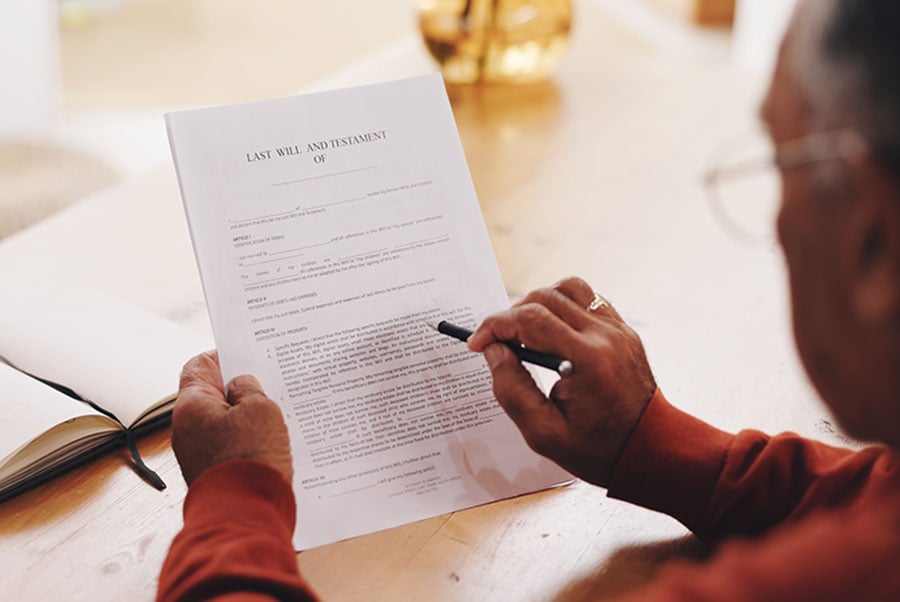
Anderson adds the data demonstrates the importance of up to date Wills and setting up Lasting Powers of Attorney.