The Local Government and Social Care Ombudsman (LGSCO) has reported that the cost of providing social care has increasingly been a cause for cases raised with them over the past year.
The Ombudsman received 2,596 complaints and enquiries about adult social care.
In the Ombudsman’s Annual Review of Adult Social Care, councils failing to provide adequate care is more common, with councils blaming a lack of funding for this phenomenon.
In one reported case, a family filed a complaint after they went from paying nothing for their elderly mother’s care to over £3,500 a month after the council changed the way it assesses contributions towards care.
In the past year, 70% of cases about adult social care were upheld, higher than average of 66% upheld across all areas the Ombudsman investigates.
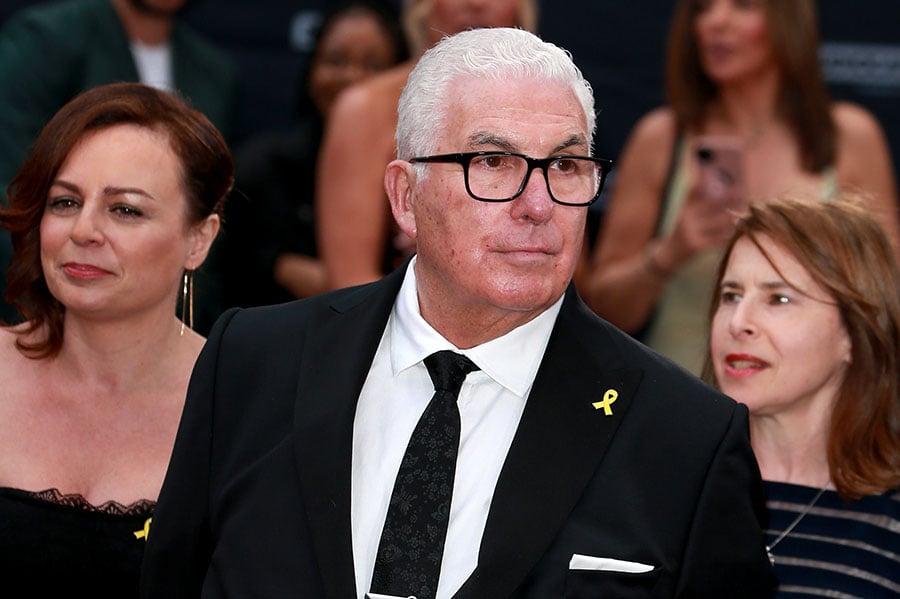
Michael King, Local Government and Social Care Ombudsman, said:
“The issues we are investigating are neither new nor surprising, but do indicate a system with a growing disconnect between the care to which people are entitled, and the ability of councils to meet those needs.
Care assessments, care planning and charging for care have been key features of our cases this year and a common theme is councils failing to provide care, or limiting it, and justifying this because of the cost. We appreciate budgets are becoming increasingly stretched but authorities’ duties under the Care Act remain and we will continue to hold authorities to account for what they should be doing rather than what they can afford to do.
However, complaints about adult social care as a whole have reduced by 16%, and a 21% fall in complaints about care that is arranged and independently funded.
This has wider concerns in the LGSCO that people are simply not recording complaints they might have about adult social care. King added:
“I’m also concerned that more than a decade of rising demand and unmet need have left service users and their families, disillusioned and feeling there is no point in making a complaint.
I want people to know that their voice matters. What can at first appear a simple error affecting a single person can trigger a change in practice benefitting many others. We can and do use our powers to achieve the maximum impact from our investigations – indeed despite the fall in complaint numbers, we have made more recommendations to improve services than ever before.”
The Ombudsman claims to have made 631 service improvement recommendations over the course of this year, which include include recommendations to review or create policies and procedures, staff training, improving communication with families and record keeping.