
According to Office of National Statistics (ONS) figures, the number of marriages in England and Wales has declined. Contrasting to the rise of numbers observed from 2009 to 2012, the last recorded year has shown an 8.6% decrease between 2012 and 2013.
The figures may indicate a continuation of the long-term fall since 1972 or simply be due to couples wishing to avoid the culturally unlucky number 13, as mentioned by Elizabeth McLaren at the ONS’ Vital Statistics Outputs branch.
Regardless of the causes of the results, a fall in marriages means it is likely that the number of people co-habiting is increasing. The law surrounding cohabiting couples is lacking in clarity compared to that of married couples, thus commonly leading to confusion where various legal matters are concerned. Proposals for reform have been put forward, such as the 2015-16 Cohabitation Rights Bill in an attempt to legally define the rights in relation to cohabitees. This bill only reached the first reading in Parliament however, thus meaning that the law surrounding estate entitlement may remain largely unknown for many cohabitees, unless they make themselves aware.
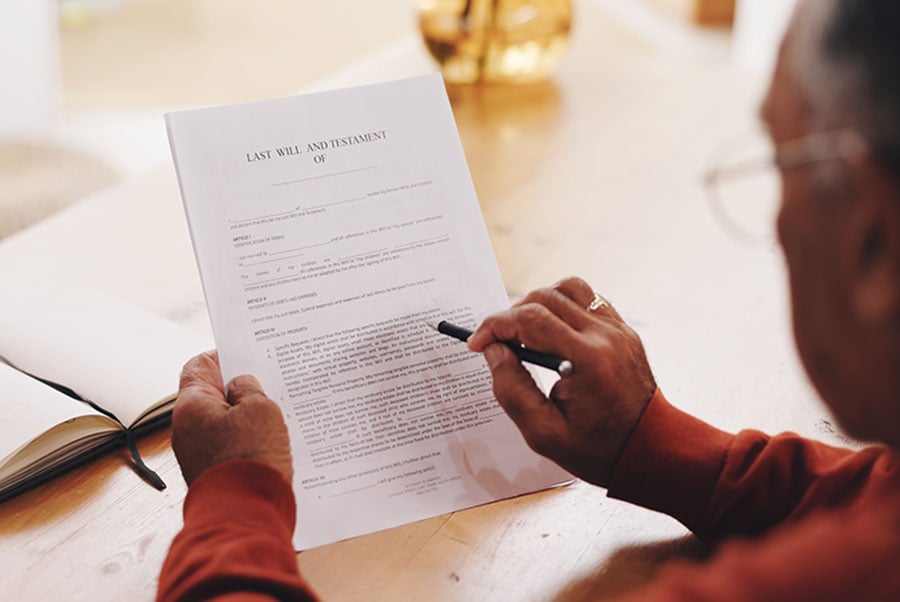
For anybody who fails to make a will, the law of intestacy will step in. For married couples, if children are present, the surviving partner will inherit the estate’s first £250,000 and half of the remaining value. If children are not, the partner will inherit the rest of the estate. For cohabitees however, the same rules do not apply. Unless a property or bank accounts were owned jointly, a surviving cohabitee will not automatically inherit anything. Instead the estate will pass down the hierarchal intestacy family tree, starting with children, to any grandchildren, parents and then any remaining aunties or uncles. If no blood relatives are alive, the estate will pass to the Crown.
Even if a will is made, any inherited money or property may be subject to inheritance tax. Married couples and those in a civil partnership are exempt, but cohabitees will be subject to the tax for any inheritance over the current threshold value of £325,000.
The likely outcome of a marriage decline is that cohabitee numbers have similarly grown, and thus the need to formally consolidate wishes in order for estate proceed to go to those the individual intends.