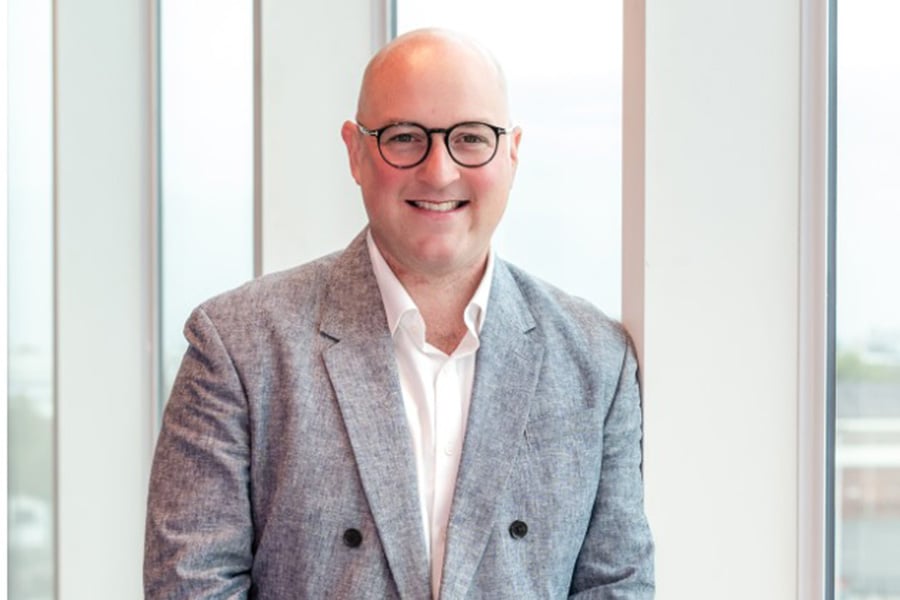
Matt Young, managing director of Aerial Ashes, has created an innovative solution for football fans whose wishes are for their ashes to be scattered on the pitches of their beloved teams.
For football supporters, being laid to rest at the ground of their beloved club is becoming an increasingly common request. But in reality, football clubs almost universally prohibit ashes from being scattered on the pitch.
The result is often disappointment, particularly for the most devoted fans.
Families, acting in good faith, approach clubs expecting a sympathetic response, only to find that access to the playing surface is not permitted. Grounds teams cite maintenance requirements, health considerations, and the commercial importance of the pitch as key reasons. For many, this leaves a deeply personal wish unfulfilled.
Professionals in the funeral and probate sectors say they are encountering this issue more frequently.
“People assume it will be possible,” one industry source told me. “But when they actually try to arrange it, they hit a wall. At that point, they don’t know what to do next.”
An alternative solution
In response, at Aerial Ashes we have developed an alternative that is gaining traction.
Rather than attempting to access the pitch itself, we carry out ceremonies from carefully selected locations overlooking the stadium. These locations are chosen so that the ground remains clearly visible, preserving the emotional connection without breaching any restrictions.
The concept is simple but carefully managed. Ashes are released via drone from permitted locations nearby, in a controlled and discreet manner. The ceremonies do not take place on the pitch, and there is no affiliation with the clubs themselves. However, the symbolic link to the stadium remains.
Locations near well-known venues have already been used, subject to local permissions and environmental considerations, although availability varies and is not possible at every stadium.
Bridging the gap
The service has been designed to bridge the gap between expectation and reality, after we kept seeing the same issue. Families were being told no but the desire behind the request is completely valid. The question for us was how to achieve that outcome in a way that is both respectful and actually possible.
Each ceremony is individually planned, with site assessments, permissions, and risk considerations forming part of the process. This ensures the service remains compliant with land use, aviation, and environmental requirements.
For families, the appeal lies in what the experience represents. The idea of being able to say they are overlooking the ground, still close to the club they loved, means a lot. It gives people a sense of closure that they otherwise wouldn’t have.
The service can also include aerial filming, capturing the ceremony with the stadium in view, creating a lasting tribute for families.
A lasting connection
Some families also take comfort in the ongoing connection: being able to attend matches and look out over the ground, knowing their loved one is nearby, provides a sense of continued presence and belonging. For many, it allows the passion for the club to remain part of their loved one’s legacy.
Industry observers note that this reflects a broader shift in end-of-life planning.
“There is a clear move towards personalisation,” another probate professional explained. “People don’t just want a standard process. They want something that reflects who they were. The challenge is making sure those wishes are realistic and achievable.”
For now, scattering ashes on football pitches remains off-limits. But as demand continues to grow, alternatives such as ‘overlooking’ ceremonies are offering families a way to honour those wishes without compromising on practicality.
In a space where emotion and logistics often collide, that balance is becoming increasingly important.
About the author
 Matt Young is managing director of Aerial Ashes, which offers dignified, accessible and environmentally conscious ash-scattering ceremonies using drones. Matt has 18 years’ experience in bereavement-related services and has spent seven years as a commercial drone operator. Combining compassion with drone expertise, he delivers dignified, fully compliant aerial ashes-scattering ceremonies to give families a meaningful, respectful farewell.