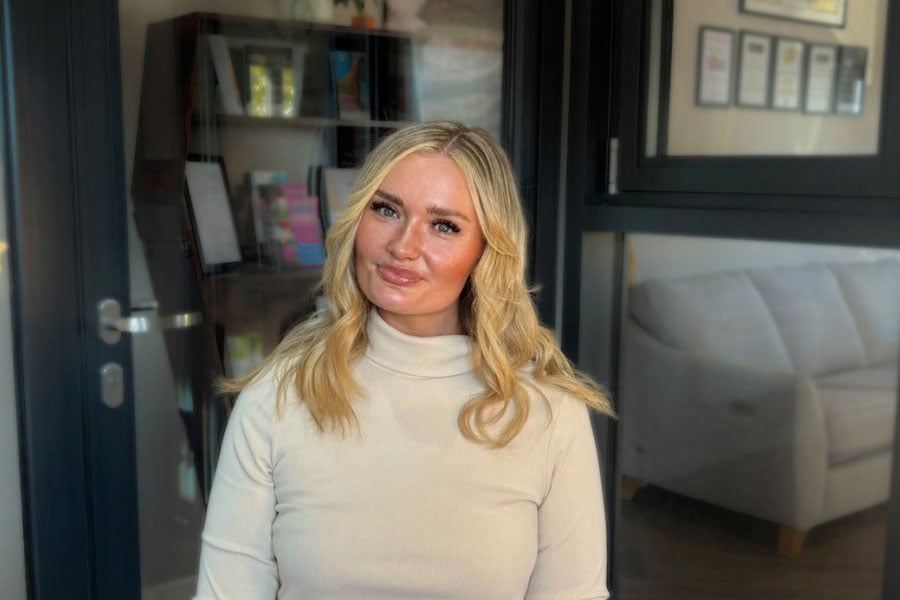
Digital assets are now recognised as personal property, but regardless of their legal standing they remain out of reach – even invisible – to anyone without the credentials to access them. Auro Rekha, founder of EternaVaults, explains how practitioners can advise clients to prepare their digital legacies.
As digital assets become a routine part of UK estates, many probate practitioners are finding that the real challenges aren’t legal at all, they’re practical. The process slows not because the law is unclear, but because the family can’t access or explain the digital life the deceased left behind.
We often hear that a legal process doesn’t stall because documents are missing. It stalls because no one knows where anything actually is, how to access it, or what the deceased intended. Underneath almost every estate that becomes difficult is the same quiet pattern: scattered information, fragmented access, and the loss of context that was sitting in someone’s head.
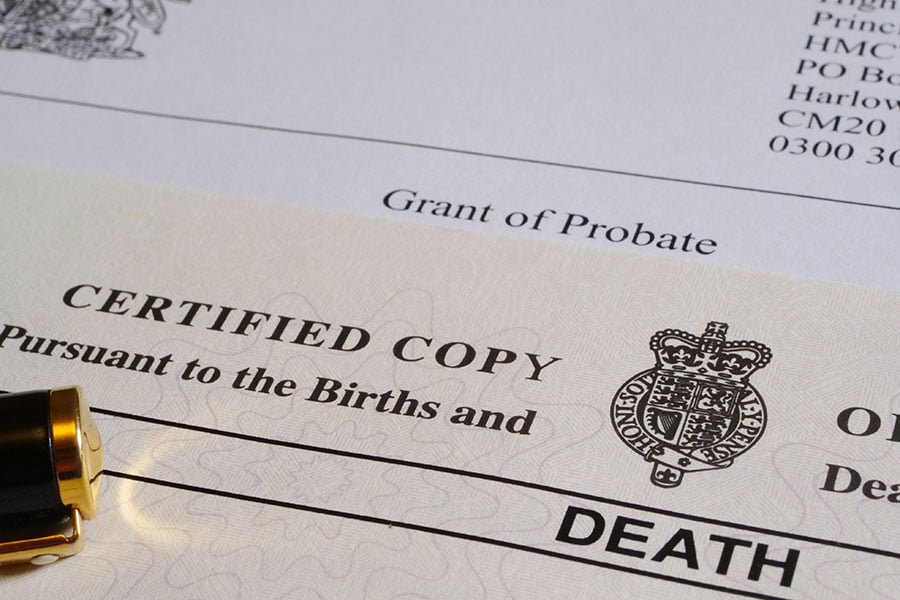
The recent Property (Digital Assets etc) Act, recognising digital assets as personal property, is a welcome step. It gives firmer legal footing to something families and practitioners have been grappling with informally. But legal recognition doesn’t automatically translate into access, context or continuity. And that’s where most of the real-world breakdown still happens.
Consider a familiar scenario. A widow is grieving her husband and suddenly responsible for decisions she never expected to face alone. She doesn’t know his credentials, which platforms he used, or which instructions were meant as guidance. The legal team can reconstruct the assets, but they can’t reconstruct the context or intent behind them and that gap is what slows probate and adds emotional strain.
Storage isn’t the issue. Continuity is.
Families don’t need more places to put things; they need a way to make sense of what they already have. Probate teams consistently report that missing context, not missing documents, is what inflates administration time, complicates fee estimates, and increases distress during an already difficult period.
Continuity, in simple human terms, is this: access + context + intent + timing.
It doesn’t require lawyers to see private documents. Families keep their privacy but they maintain a clear structure so nothing depends solely on memory or chance. They know what exists, where it sits, who the successor is, and what must be handed to legal teams immediately. Lawyers don’t need to see the content; they just need clarity instead of chaos.
Where governance gaps and disputes really begin
Most disputes don’t start with conflict. They start with ambiguity.
When intent isn’t clear, families make different assumptions.
When access isn’t clear, people feel excluded or uncertain.
When no one knows which document is the final version, small questions become governance problems.
When instructions lived only in conversation, relatives disagree about what was meant.
These are the quiet patterns practitioners see every week. Continuity frameworks don’t eliminate human complexity, but they do remove the uncertainty that fuels conflict. When families maintain a private, structured overview of digital accounts, assets and intentions, there is far less room for misinterpretation and far fewer gaps for disputes to grow.
What this means for private-client lawyers and probate practitioners
Continuity doesn’t create new duties for practitioners but it does create an opportunity to prevent avoidable delays, disagreements and administrative spirals simply by raising the right questions early.
It means asking clients:
- If something happened tomorrow, who knows how to access the essentials?
- Is anything stored only in your memory?
- Would your family know what exists, even if they can’t see it?
It also means expecting digital fragmentation – MFA, locked devices, cloud platforms, forgotten subscriptions – rather than being surprised by it. And it invites conversations about intent and successor clarity long before anyone needs to act on them.
When continuity exists, probate doesn’t begin with detective work. Executors aren’t reconstructing a digital life from fragments. Families are less distressed. Estates move faster. Costs stabilise. And the legal process becomes smoother for everyone involved.
Digital assets don’t cause problems because they’re digital. They cause problems because they’re scattered, personal and rarely captured in a way that survives the person who holds them. Continuity is ultimately a human issue and the estates that run smoothly are the ones where families prepare for that long before a legal process begins.
For practitioners, even light continuity preparation can mean fewer surprises, fewer disputes, and a far smoother probate journey for the families you serve.
About the author
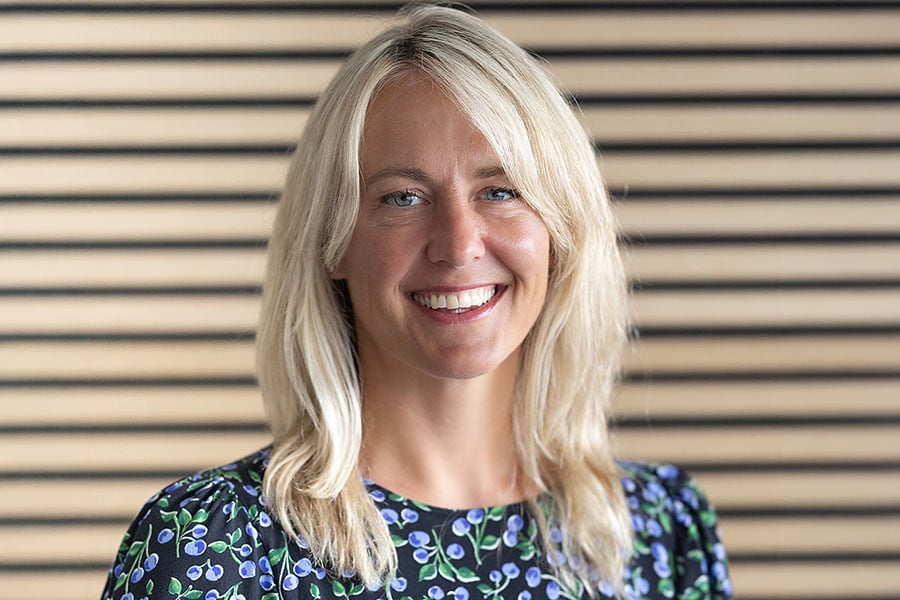
Auro Rekha is the founder of EternaVaults, a private digital continuity platform built for multi-generational families and their advisers. Her work focuses on the structural blind spots that appear when digital life, intent and access outpace traditional estate and governance processes. She writes on continuity, digital legacy, and the evolving responsibilities of advisors navigating increasingly complex family ecosystems.