
A brother has won a £400,000 inheritance fight after a judge found his younger sibling had “unduly influenced” their father into changing his will.
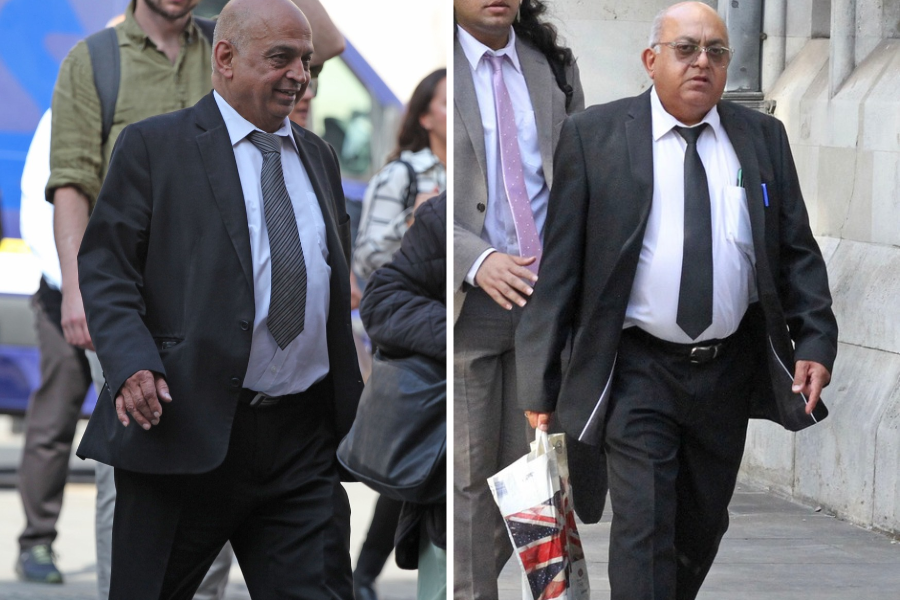
Gowerdhan Dass died aged 89 in February 2024, leaving his entire estate, including his home, to his youngest son Harish Verma, 57, and Harish’s wife Paramjit.
A new will, made in November 2023, just three months before his death, left his older son Bani Verma, 67, and the rest of the family empty-handed, Central London County Court heard this week.
Bani sued Harish, claiming he had “unduly influenced” their father to replace an earlier will dividing the £400,000 estate four ways between the brothers and their late siblings’ families. He alleged Harish had “poisoned” their father’s mind against the rest of the family to become the sole beneficiary.
Harish defended the will, but after a week-long trial, Recorder Jonathan Cohen KC ruled that he and his wife had committed “fraudulent calumny” by “poisoning” their father’s mind.
Dass had become “increasingly vulnerable” in his final years and the judge accepted that Harish and his wife had given him loving care in his final years, but found that as hewas “unduly influenced” by the couple.
The judge said Harish sat beside his father as he made “untrue” non-contact statements to his solicitor regarding relatives while in discussions around the new will.
One specific clause in the new will stated: “I declare that no provision is made in this will for my son Bani Parshad Verma as there has been little to no contact for many years and my son is not financially dependent upon me and has his own wealth and financial resources.”
The judge said the false claims of no contact were “truly startling” for some relatives who had done their utmost to keep in touch.
He added: “In my judgment, it is overwhelmingly likely in the circumstances I have found in this lengthy judgment that Harish and Paramjit did poison Mr Dass’ mind so as to believe these untrue statements, which both knew were untrue and were for their own financial gain.
“There is no other sensible explanation. They were undoubtedly fraudulent.”
In his evidence, Harish insisted that he believed that Bani had lost contact with their father, and when Mr Dass made similar non-contact comments about the rest of his family to the solicitor drafting his will, “he did not think it was his place to correct him”.
Paramjit helped the deception by keeping Dass away from his other daughter-in-law, Harjinder, after he made the final will, Recorder Cohen said. Neither she nor Harish told the wider family of plans to sell Dass’s home, pool some of the proceeds and buy a house together.
Providing background to the case, the judge described how bad blood began to develop between Harish and Bani over 30 years ago, stretching back to a dispute about missing stock in a grocery store Bani was then running and a £5,000 loan from Bani to kick start the DJ career Harish dreamed of establishing, which was said to have not been repaid.
Recorder Cohen overturned the final will in favour of Dass’s 2015 will, which split the inheritance among his family.
He ordered Harish and Paramjit to pay Bani’s trial costs, including £115,000 up front pending a full assessment, as well as their own significant legal bills.