
Underfunding and the ‘dismal’ state of the courts system and physical infrastructure are two key issues identified by barristers in research which shows three quarters of the profession do not think that people are able to access justice at an acceptable level in England and Wales in 2026. Some barristers have so little confidence in the system they would not recommend their friends use it.
The Bar Council’s “Access to justice: the view from the Bar” report provides a “distillation” of 2,477 written responses, some 53,000 words, on the subject of acceptable access to justice. Commenting on the output of the report chair of the Bar Council Kirsty Brimelow KC said: “Public confidence in the courts and judicial system is declining and the need for legal help is increasing.”
The report makes three “overarching recommendations” for government; Improve legal aid fee schemes and fairness in legal aid fees, including by introducing fee review bodies, develop a long-term funding strategy for the justice system as a whole; and develop an evidence-based long-term strategy to maintain and improve court infrastructure and efficiency
“We should be ashamed”
The report found the majority of barristers (63%) think the public does not have access to an acceptable level of justice with some describing being “ashamed” of the state of the justice system. One in five (22%) barristers said people have an acceptable level of access and 15% said they “don’t know”. When those who “don’t know” were removed from the analysis, one in four (26%) barristers agree people have adequate access to justice, and three quarters (74%) do not.
In written responses barristers described how it was the most vulnerable in society that are excluded. Comments raised concerns around closed courts and a lack of court staff to support client access. One of the main points raised by barristers was access to legal aid. This year, demand for free legal advice services outstripped availability by 17 times, according to the Access to Justice Foundation. Overworked judges, and long waits for hearings leaves us at the “stage where we should be ashamed” said one response.
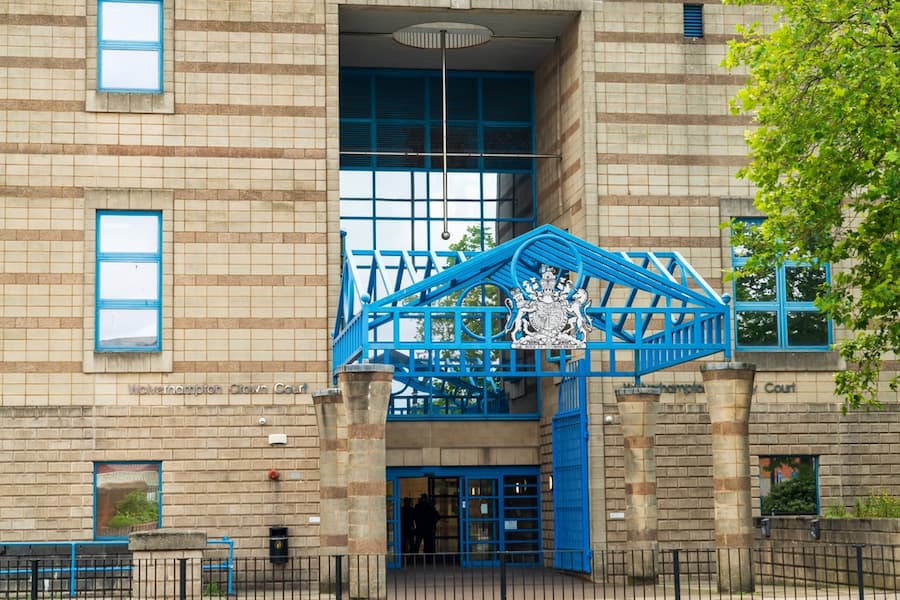
More than half (60%) of all barristers who provided written responses cited delays, backlogs or issues around timing as one of the reasons people cannot access justice to an acceptable level. When it came to the state of the courts, several barristers pointed out that they lack basic facilities like toilets and drinking water with one barrister saying they had rats in their robing room.
Analysis of keywords found 62% of barristers mentioned court delays, 55% mentioned legal aid/funding, 34% mentioned costs/affordability and 24% mentioned court infrastructure
The report concludes: “The United Kingdom is a wealthy jurisdiction within one of the world’s largest advanced economies. For too long the underfunded justice system has only been able to limp on because it has been propped up by the goodwill of those who work within it. Those people are now weary, stressed and depleted. In this report, we have presented the observations of the barristers who work within the system. Their concerns must be listened to, and real systemic change must follow.”
Echoing the report Brimelow added: “A properly functioning justice system is a cornerstone of a democratic society. We will continue to represent our members’ views and seek remedy for our justice system that has been largely left to crumble through wilful neglect over decades.
“The justice system should be treated like a vital public service – like schools and hospitals. Our legal services market is second only to the US – we have a fantastic reputation abroad but more needs to be done to serve justice for citizens at home. For too long, the justice system has only been functioning because it has been propped up by the goodwill of those who work within it. Those people are now weary, stressed and depleted.
“The Bar’s concerns in this report must be listened to, and real long term systemic change must follow.”