The number of cases of baby boomers disputing wills and being prosecuted over attempts to defraud elderly relatives has increased by record numbers.
Inter-family fraud has increased by 300% from £544,000 in the first quarter of 2014 up to £2.1 million in the same quarter in 2015 – the latest report from the KPMG fraud barometer has revealed. According to the report, the culprits are the baby boomers, with more than three quarters of fraud being committed by the over 45s and the victims being their elderly parents.
In addition, there is a significant rise in the number of legal battles reaching the courts over family property. Just this month, the family of Manny Davidson, self-made British property millionaire, was named as the latest to be arguing over the family home and a £3.5 million villa in Nice. The children of Mr Davidson are attempting to sell the properties, totalling £6 million, after they were put into trust for them allegedly to protect them from inheritance tax.
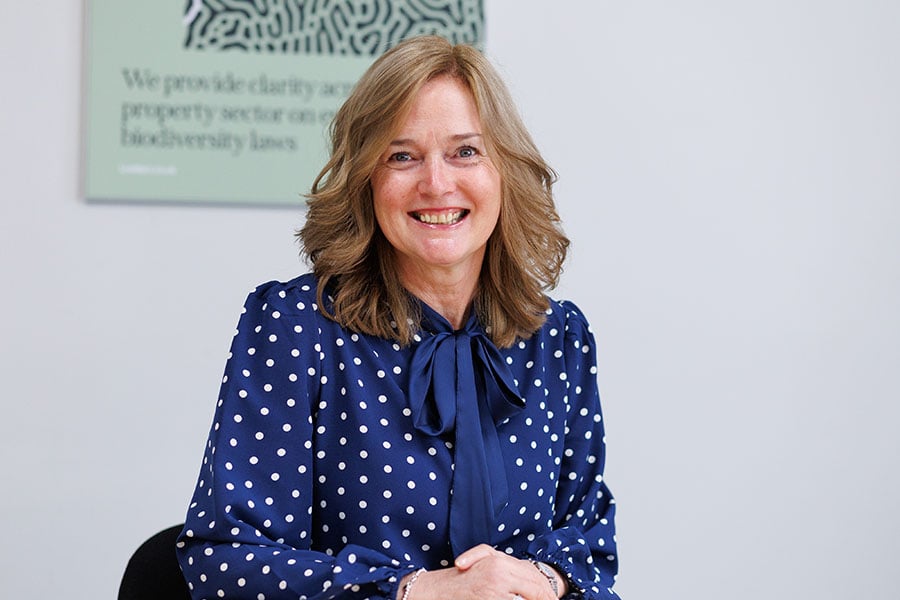
Posthumous there has been a 700% increase in will disputes since 2001 says Christine Green, Senior Partner and Head of Private Wealth at law firm, Veale Wasbrough Vizards.
“We are in a more litigious society now,” she says. “People are more willing to challenge things more readily and perhaps there is a greater sense of entitlement — that they are entitled to something from the older generation.
“People feel they are entitled to inherit money from the older generation. I’m not sure what that is based on, really. One hopes to be able to leave something to one’s children but that may not be possible or there may be reasons why one chooses not to. I do think there is an increased feeling among the younger generation that they should be provided for by their parents.”
The recent case of Heather Ilott also demonstrates that, perhaps worryingly, the courts are willing to disregard the final wishes of the deceased where the financial circumstances of the living demonstrate a greater need for the money.
Unfortunately, some offspring are resorting to criminal means to ensure they benefit from what they deem as their entitlement to inheritance. The KPMG fraud barometer, which records cases over £100,000, reveals a cases where a man stole his mother’s £600,000 life savings after realising that he was not the main beneficiary in her will. In another case, a 58 year old lady was convicted of stealing £100,000 from her 81-year-old father, who was living in a care home, after she was granted power of attorney. After selling his house in Devon she used the money to fly first class to the United States where she rented a property and left his care home bills unpaid.
After almost a decade of working on the fraud barometer, Hitesh Patel, Forensic Partner at KPMG, says it is a combination of greed and desperation that is driving people to such extreme measures.
“I don’t think people have lost their moral values but they have been eroded through time because we are living through this culture of materialism and keeping up with the Joneses. It’s probably also driven out of desperation because of the difficult economic period we’ve been through.
“The pressure of having to meet the higher cost of living, sense of entitlement and also possibly greed all come into play. People think, ‘what’s the easiest way of getting my hands on something? Ah, family’. My sense is this is probably going to grow.”
Why do you think will disputes and inter-family fraud is rising at such an alarming rate and what can we do as a profession to prevent it?