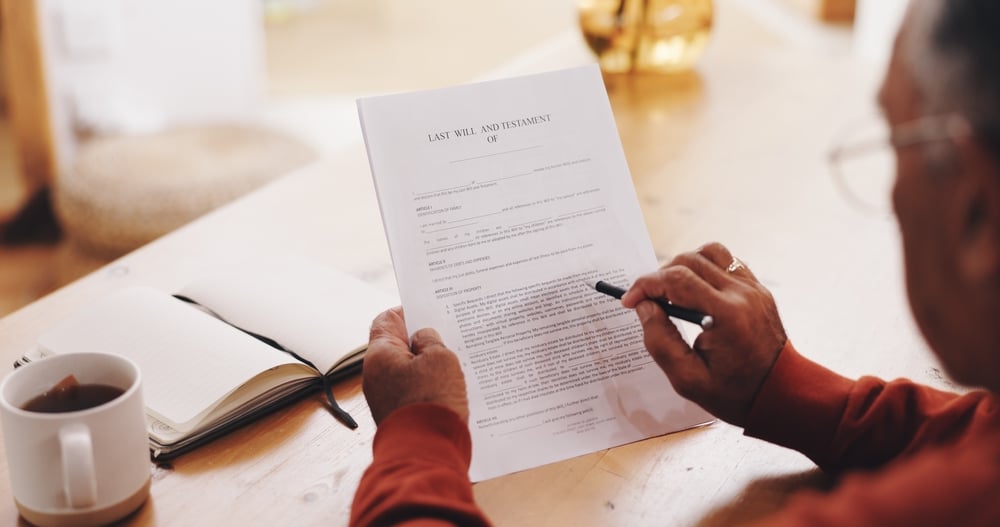

A brother and sister have won a High Court fight to split their aunt’s £1 million estate after a legal “hiccup” involving two wills threatened to scatter it among 18 relatives.
Dorothy Eirwen George died in December 2023, aged 83, leaving around £1 million in UK assets and a holiday apartment in Cyprus.
During her final years, she made clear that she intended to leave her wealth to her niece and nephew, Helen Thyer, 73, and Peter Crawford, 71.
In May 2017, George made a will in the UK handing her English estate to the siblings.
She unwittingly derailed those plans, however, when she drew up a second will in Cyprus four months later bequeathing her holiday apartment near Limassol to her niece, Thyer.
George, from Bexleyheath, south London, made the second Cypriot will so that her niece should inherit the flat, while her UK will had left an equivalent cash legacy to Crawford.
After her death, the siblings learned the second will potentially cancelled her English will, meaning that by law she had died “intestate” . In such circumstances, her fortune stood to be carved up among all 18 of her known descendants.
Judge Master Katherine McQuail ruled in favour of the siblings’ claim and the validity of the English will at London’s High Court, concluding a three-year legal dispute.
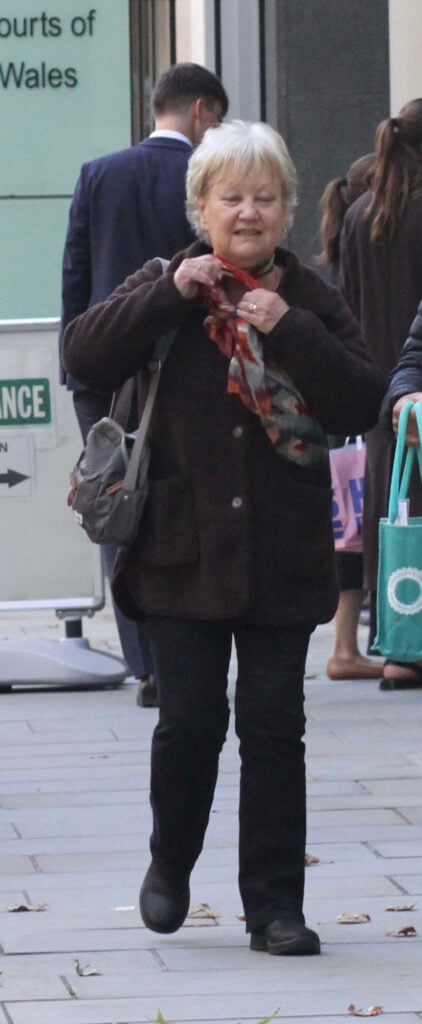
“I laughed when I was told this, because it seemed so ridiculous,” said Thyer after the hearing.
The siblings’ barrister, Michael O’Sullivan, argued that their aunt only drew up the Cypriot will leaving Thyer her Limassol apartment because she wanted to “balance things out” as she had left her nephew more under her English will.
George’s intention was not to nullify the English will, O’Sullivan told the court.
Thyer and her brother had to pay for a team of expert genealogists to track down some of her relatives, who ended up being part of the case as potential beneficiaries.
“We had to pay for a genealogist company as the wider family was not fully known to us,” Thyer said after the hearing.
Had the case gone against the two siblings, they would have had to share the inheritance between themselves and 16 of their relatives.
The siblings went to court in a bid to get the English will recognised, arguing that their normally “careful” aunt had made a simple mistake in relation to her second will.
“The Cypriot will contained a general revocation clause which on a literal construction would have had the effect of revoking the earlier English will,” their barrister, O’Sullivan, said in his written submissions.
“The claimants claim that the inclusion of such a general revocation clause was a mistake and did not accord with the deceased’s true intentions.
“The Cypriot will dealt only with property owned by the deceased in Cyprus. If the will had the effect of revoking the English will, then this would have triggered an intestacy in relation to the deceased’s English estate.”
George would never have wanted to deny her niece and nephew their full inheritance, he explained, claiming that all the available evidence backed this up.
The siblings’ evidence was supported by the witness statement of George’s friend, Rosemary Sanger, who said she told her that she intended to leave her English estate to both claimants, but intended to leave her property in Cyprus to Thyer.
Judge McQuail said none of the 16 potential co-heirs had come forward to challenge the English will.
“It’s clear that the court may admit an earlier will to probate despite a later will containing a revocation clause if all the evidence before the court shows that it wasn’t the intention of the testator to revoke that earlier will,” she said.
“I am satisfied that I should pronounce for the validity of the English will dated May 2017,” the judge concluded, also directing that over £35,000 the siblings spent pursuing their claim should be paid out of George’s estate.
After the court hearing, Thyer said her experience of the legal “hiccup” had taught her the importance of precision when writing a will.
“You have to be very very cautious about writing a will,” she said. “This has taken us nearly three years and cost a lot of money and some heartache.”