
The comedian Ricky Gervais has said he will marry his partner of 44 years to ensure the couple won’t be liable for inheritance tax.
In an interview with Saga magazine, Gervais said Jane Fallon’s cancer diagnosis earlier this year had prompted him to change his long-standing opinion on marriage.
“It’s horrible, isn’t it? I’ve got to get around to marrying before I die”, Gervais told the magazine.
“We haven’t done it yet. But if it wasn’t for [tax]… why? It’s mad. How more married can you be? We share all our money, we’ve been living together for 40 years. Some marriages don’t last a year.”
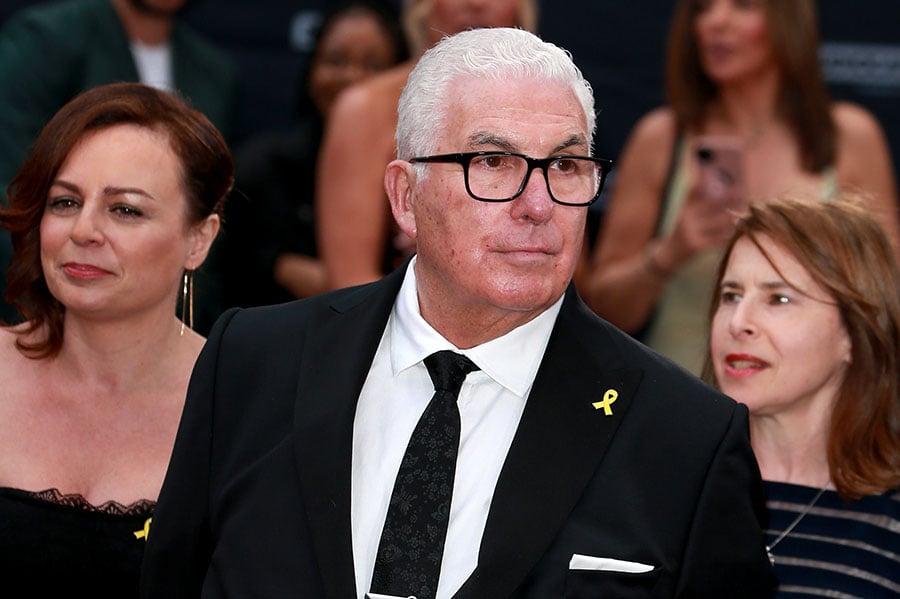
The couple (pictured in 2014) reportedly have joint assets including an £18 million property portfolio, which would be subject to a 40% IHT charge in the event of the death of either partner if the couple remain unmarried.
Jo Edwards, head of family at Forsters and chair of Resolution’s family law reform committee, said the comments illustrate the “stark position” faced by long-term cohabiting couples.
She explained: “After sharing a home and finances and despite having been in a committed relationship for more than 40 years, he and his partner, Jane Fallon are treated as strangers by the law to all intents and purposes, including for inheritance-tax purposes, and their plans to marry are simply to secure the protection afforded automatically to spouses and civil partners.”
Pointing out that 3.5 million couples in the UK live together in unmarried relationships, Edwards added: “Unlike Ricky Gervais and Jane Fallon, many are ignorant of their lack of protection if they separate or if one of them dies without leaving a will. The law has failed to keep up with the realities of modern society and how people are ordering their relationships.”
She concluded: “IHT may be a matter for the Treasury, but couples do not experience the law in departmental silos. Meaningful reform should eventually address all inequality so that romantic partners are not forced to marry simply to protect one another financially.”