
A case involving the estate of a woman who died 11 years ago without leaving a will has exposed legal issues likely to become more common, says a wealth disputes expert.
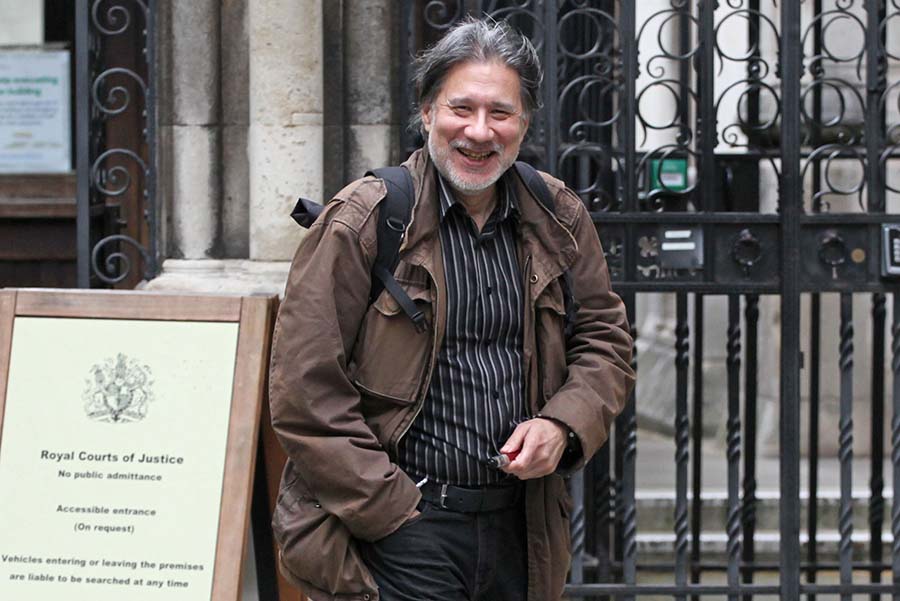
Irene Chung died intestate in 2016, with her estate to be split between her three children. But son Robert Chung (pictured) claims he was promised the house in return for looking after his mother, and a will was drawn up by Mrs Chung in his favour but not executed before her death.
Robert is defending a claim for possession of the property brought by the professional administrator of the estate, who has asked the court to rule Robert must vacate the property so it can be sold and the proceeds shared between the three siblings: Robert, his sister Marina Bennet, and brother Richard Chung.
The administrator is also claiming almost £200,000 in backdated rent from Robert on behalf of the estate for the years he has remained in the house since his mother’s death. Robert is counter-claiming for ownership of the house.
Amanda Smallcombe, partner and head of private wealth disputes at Birketts LLP, says similar claims usually arise in farming families where land or a farm is promised in return for years of work for little or no renumeration. “This case, however, illustrates the same issues can arise in relation to a normal family home and will, perhaps, do so more frequently as care fees increase and children care for their parents in their own homes,” she added.
During the hearing this week, Robert Chung told Central London County Court that he had given up his career to look after his father, Victor, who died in 1998, and his mother.
But his siblings dispute his account, claiming he is a liar and “financial drain” who never cared for their parents, and insisting the house and estate should be divided three ways.
The court heard that Victor and Irene raised the children in the family home, now valued at around £400,000. Robert left the home as an adult, but moved back permanently in 1990.
Representing himself, he told the court he had acted to his detriment when returning to the family home, leaving behind hopes of a successful career to fulfil a duty to his parents. “I didn’t want to end up working in a Job Centre, but that’s what I did for 22 years. That’s a choice I made for my parents.”
Barrister Faisel Sadiq, representing Marina Bennett and Richard Chung, told Recorder Lawrence it was their case that no promises were ever made about the house and it would have been out of character for their parents to have done so.
Robert’s claim of moving back because of his father’s cancer was untrue, he added, as Victor was not been diagnosed until 1992. “Our case is that you were the son that was a bit of a disappointment, who didn’t leave home and was financially dependent on his parents…It was your mother who looked after you until the last year of her life.”
In evidence, Marina Bennett said that, had there ever been promises that Robert could have the house, then he would have “moved heaven and earth” to get them in writing.
The case raises interesting issues, Amanda Smallcombe explained. “Parents commonly talk to their children about what they might inherit upon their death.
“However, for a promise relating to land or property to be legally binding, the person relying upon it needs to establish all the elements of a claim in proprietary estoppel; that a promise or assurance was made, was relied upon and it would be detrimental if not honoured.
“Rather unusually, the son is relying on proprietary estoppel as a defence to a claim for possession for the property and rent for his occupation of it which is pursued by the professional administrator of the estate rather than the other beneficiaries.
“From an evidential perspective, a key issue for the court will be that the opposing siblings do not appear to have direct, first‑hand knowledge of the alleged promises made by the parents. In cases of this kind, where assurances are said to have been private and informal, that absence of direct evidence can be highly significant.”
After a week in court, Recorder McDonald reserved his decision until a later date.
Image: Champion News Service Ltd