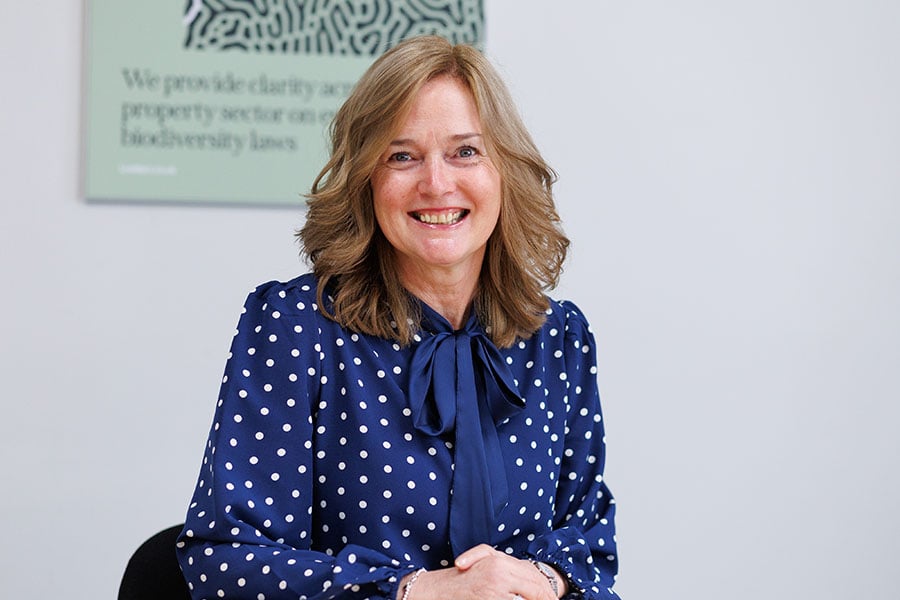

As property wealth plays an increasingly important role in funding retirement plans, Sally Peake, residential property partner at Knights, explains why professionals in the world of financial advice, succession planning and residential property must work together to ensure clients are fully informed of the implications.
With rising living costs and longer working lives, many homeowners now look to their homes not just as a place to live, but as a potential financial resource.
For those reaching later life without sufficient pension provision, the ability to draw on housing equity may form a significant part of their long‑term plans, leaving lawyers to get involved in conversations that once sat primarily with advisers or lenders.
Decisions that unlock equity can have far‑reaching consequences, affecting inheritance, care planning, capacity assessments and how families structure their finances across generations.
Managing expectations
Property owners are increasingly considering their property as a family financial tool, with their options now including late life finance to help younger relatives buy their first home and potentially releasing their inheritance early.
Where parents release equity to support younger family members, clarity around documentation and expectations becomes crucial. Without it, issues may arise later, particularly where informal agreements are relied upon, or where one beneficiary receives help that others do not.
As the professionals relied on for guidance, it is essential we work together to ensure that borrowers truly understand their whole financial and legal position so that they achieve their ultimate objectives. We need to consider this in a more holistic way rather than in a transactional one.
A joint approach
Lifetime mortgages and RIO products can be suitable for some, but their long‑term effects can be misunderstood. Professional financial advisers and lawyers should work in tandem to explain how quickly interest can accrue and how a borrower’s estate may ultimately be affected.
Given the complexity, early legal involvement is increasingly essential, especially where questions of capacity, joint ownership or family influence might arise. Lawyers play a key role in safeguarding clients, explaining how different products align with their broader estate plans and ensuring the client’s decision is both informed and documented.
As these products evolve, practitioners must also stay alert, as shifting regulatory expectations will change the advice they provide. Alongside this, a heightened need for clear records and evidence that the client truly understood the implications of borrowing in later life as advice shifts.
Early intervention
Advice should be given before borrowing takes place, as practitioners know. This is so they can review how the property is owned, check co-ownership arrangements are suitable, make sure powers of attorney reflect their financial intentions, and so they can consider how decisions on wills, trusts and gifting strategies may affect family members in the years after.
They may also need to flag potential care‑funding implications and highlight where additional financial or tax advice is needed to give clients a complete picture.
Handled well, later‑life borrowing can provide security and independence. Handled poorly, it can trigger disputes, unexpected tax consequences or financial pressures for surviving relatives. Early advice gives people the confidence to move forward with a full understanding of the implications.
What’s next for succession planning?
Property wealth will continue to play an increasingly significant role in retirement planning for a large proportion of the population.
As the FCA examines the market and considers potential reforms, legal advisers will be more necessary than ever to help clients understand how later‑life lending fits into the broader context of care planning, inheritance and long‑term financial resilience.
About the author
 Sally Peake is a partner in the Residential Property team at Knights, with over 25 years’ experience advising high‑value clients on complex residential and commercial property transactions. She specialises in prime homes, rural and semi‑rural properties, and heritage or listed buildings, offering expert guidance on matters such as private drainage, access and restrictive covenants. Based in Knights Brighton office, Sally is known for her meticulous, personable approach and her ability to deliver clear, pragmatic solutions on multi‑million‑pound transactions.