
A Christian father has lost a “heartbreaking” court fight with his ex-wife over whether the body of their “free spirit” teenage son should be buried or cremated.
Gabrielle Barbus, 17, took his own life last December after struggling with mental health issues, but has still not been laid to rest, after his religious father Stefan Barbus sued his ex-wife Georgia Opritescu in a fundamental disagreement over the arrangements.
Mr Barbus, a Roman Orthodox Christian, told the High Court his son’s soul will be in peril and that he risks missing out on resurrection at the final judgment if he is not buried.
However, Ms Opritescu – who does not share her former husband’s religious beliefs and insists that Gabrielle didn’t either – wanted his body to be cremated and his ashes scattered to “return him to nature” in the Devon countryside that he loved.
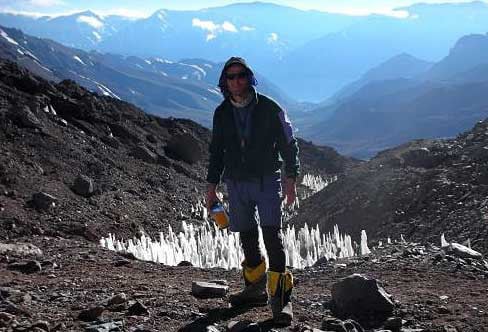
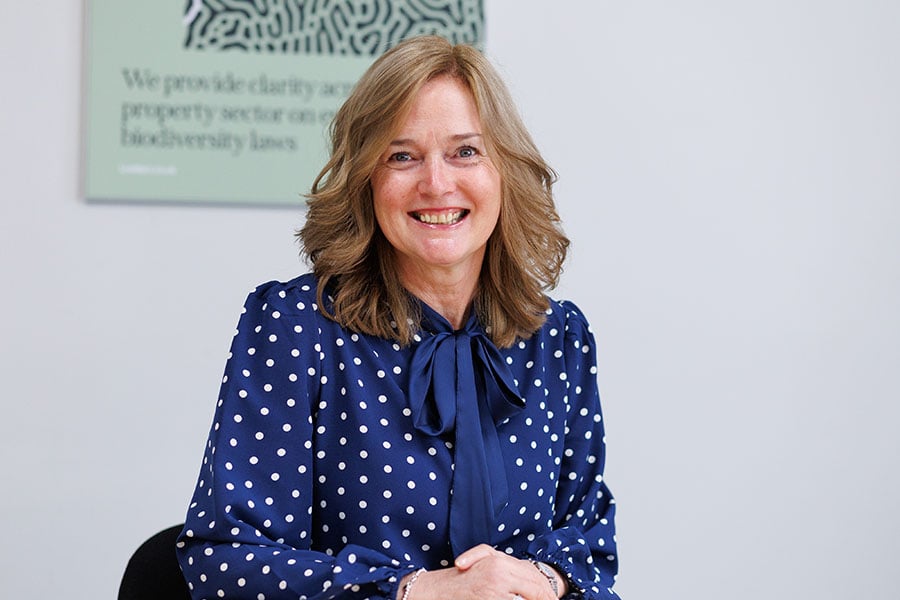
Last month, Mr Barbus obtained an injunction preventing his former wife “from taking steps to dispose of Gabrielle’s body”. Following a High Court hearing last week, Judge Jonathan Klein brought the “heartbreaking case” to an end by agreeing Ms Opritescu could arrange a cremation and scatter her son’s ashes according to her wishes, and those of Gabrielle’s older brother Antonio (both pictured).
Giving his ruling, the judge said:
“This is my decision following the hearing of a heartbreaking claim.
“Tragically, Gabrielle took his own life on 30 December 20205. He was 17 years old.
“Mr Barbus and Ms Opritescu cannot agree on the arrangements for laying Gabrielle’s body to rest. That is what I must decide.
“I don’t doubt that all involved are heartbroken and grieving for Gabrielle and that their wishes and feelings are deeply held.
“When deciding how a body is disposed of, the court must make an evaluative judgment.
“Close family and friends may have had the sense of what the person may have wished and the person may also have wanted to be thought of well by them.
“Mr Barbus is a practising Christian of the Roman Orthodox faith. Gabrielle himself was baptised a Roman Orthodox Christian.
“Following the divorce, Mr Barbus was not involved in making life decisions for Gabrielle.
“He said [in evidence] ‘I loved my son very much and my wishes are based on my faith…there is nothing more important to me than to know my son’s soul may enter heaven and we may all one day be resurrected.’
“He said that in his heart he’s never wanted a cremation, but that if he is cremated he wishes his ashes to be interred so that he has somewhere to go to light a candle. He said there would be nowhere to go if his ashes are scattered.
“Ms Opritescu and Gabrielle were close. Gabrielle did not have a religious upbringing.
“They went to Devon on two family holidays. Gabrielle had a very good time, particularly enjoying outdoor activities.
“Gabrielle indicated that cremation was a healthier way of saying goodbye to a loved one.
“Ms Opritescu said that interment wouldn’t suit Gabrielle as a person. She said he wanted to be free and that if he were to be interred he would be confined and that would upset him.
“What Gabrielle said must be given significant weight because he gave some thought to it and expressed the same view over a period of time.
“It seems to me that Mr Barbus’ proposal…in truth reflects his own religious convictions, not those of Gabrielle.
“I don’t believe that a Christian faith was of more than peripheral importance to Gabrielle.
“There is evidence that while he respected the religious convictions of others, he was not observant.
“Gabrielle had a closer relationship with Mrs Opritescu than Mr Barbus. It is more likely that, because of the closeness of that relationship, he would have wished to honour Ms Opritescu’s wishes. I have also placed weight on Antonio’s preference for cremation.
“I have concluded that there should be a cremation in this case. The question of whether the ashes should be scattered or interred has been more difficult.”
After hearing evidence from Gabrielle’s mother and brother that “interment of the ashes is inconsistent with his personality”, the judge added:
“Ms Opritescu is likely to be right that Gabrielle was somebody who wanted to be free. Also she is likely to know what he would have wanted himself.”
The judge said that Mr Barbus, whilst planning to attend Gabrielle’s funeral, had said he did not feel able to go and see his ashes scattered.
“Mr Barbus, having fought for what he sees as Gabrielle’s soul and lost…said that he didn’t want to attend a scattering ceremony as that would be distressing for him.
“It may be that the ashes are scattered in a particular place in Devon that was special to Gabrielle. If that is the case I can only hope that Mr Barbus can have a measure of comfort if he knows where that happens and can visit that place to mourn.
“I cannot conclude this judgement without extending my own condolences to Gabrielle’s family and friends for their very tragic loss,” the judge added.
No order was made in relation to the costs of the case.