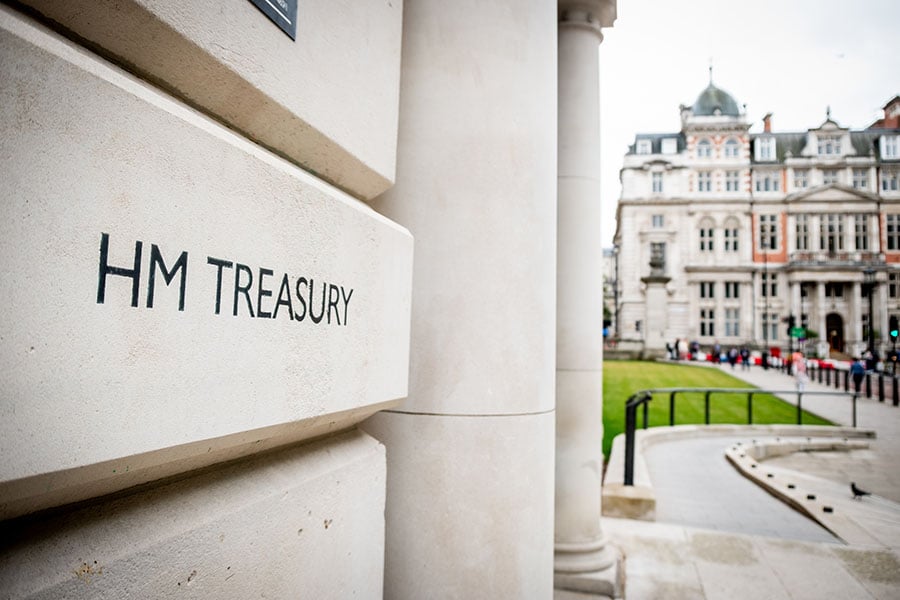

Inheritance tax receipts for the period April 2025 to January 2026 were £7.1 billion; a £0.1 billion increase on the same period the previous year. Commentators suggest the figures deliver a ‘new year bounce’ for the Treasury, as the latest HM Revenue & Customs data was published.
In the same month Halifax’s latest House Price Index revealed average house prices have crept above £300,000, the impact of the continuing freeze on the nil rate band, currently set at £325,000, leaves little room for manoeuvre when it comes to IHT planning, Shaun Moore at Quilter said.
“Frozen thresholds and allowance reductions continue to do much of the heavy lifting, and households are bearing the brunt” he said.
“While headline tax rates have been left unchanged, the share of income being taxed has risen considerably, and an increasing number of people are being pulled into higher tax brackets much earlier in their careers with only relatively modest increases to their salaries. This strategy has resulted in a stealthy increase in government revenues, but it comes at the cost of a real squeeze on household budgets.
“With the nil-rate band fixed at £325,000 since 2009, escalating property values and accumulated savings are gradually drawing more estates into the tax net. What was once a levy impacting only the wealthiest families is fast becoming a burden even for those with modest wealth. With pensions set to come into scope for inheritance tax from April 2027, the number of families impacted, and the subsequent tax take, will grow rapidly.”
Record IHT revenue predictions chime with data suggesting estate planning is becoming more complex, strategic and relevant earlier in life. LEAP Estates’ 2026 Private Client Industry Report is based on aggregated, anonymised data from the LEAP, LEAP Estates, and Willsuite platforms, looking at nearly 250,000 wills and over 175,000 lasting powers of attorney.
The research found estate planning is no longer confined to later old age, with engagement increasingly occurring in later working life and early retirement, as individuals seek to protect assets, plan for incapacity and manage more complex family arrangements.
It’s a sentiment echoed by Mike Winstanley, director of wealth management at Bentley Reid:
“The key shift we are seeing is that inheritance tax planning is moving from being a late-stage exercise to something that must be integrated into the wider financial plan earlier.
“That includes lifetime gifting strategies, appropriate use of trusts, business relief planning where suitable, or sometimes putting in place a straightforward life insurance policy first. Having protection in place can create breathing room and allow the wider planning conversations to happen properly, safe in the knowledge that liquidity is covered.
“The families who address this early, even in part, retain control and optionality. Those who leave it too late often find their choices limited.”
The release is a timely reminder of the upcoming changes to Agricultural Property Relief (APR) and Business Property Relief (BPR) which come into effect on 6th April. Despite the government’s extension of the allowance from £1 million to £2.5 million, many estates will be drawn into IHT, often without considering themselves particularly wealthy, according to Richard Bate, partner and head of private wealth at law firm Weightmans.
“What makes this moment significant is what comes next,” he explained.
“From April 2026, the current inheritance tax reliefs available on agricultural and business assets will be capped at £2.5 million at the full rate, with any value above that qualifying for reduced relief. For estates that have traditionally relied on these reliefs to pass down land or trading businesses tax-efficiently, that represents a subsequent shift.
“For many farming families and owner-managed businesses, inheritance tax has historically been less of a concern because trading business/ and farmland and assets were largely protected. Introducing a cap changes that dynamic. Larger estates, particularly those with valuable land, diversified rural enterprises or long-standing family companies, may now face a tax exposure where previously there was little or none.
“Estates that are asset-rich but cash-light – such as those holding property or business assets with limited liquid funds – face challenges when inheritance tax is due. Rising land values, development potential or environmental projects can increase the headline value of an estate without necessarily increasing day-to-day income. Where relief is restricted, the challenge becomes less about valuation and more about liquidity, how any tax bill would be funded.
“With just two months until the new rules take effect, this is no longer a question of long-term planning. Families who may be affected should be reviewing their position and taking advice on whether to transfer assets now. Once April arrives, the scope to restructure or mitigate exposure will be significantly reduced.”