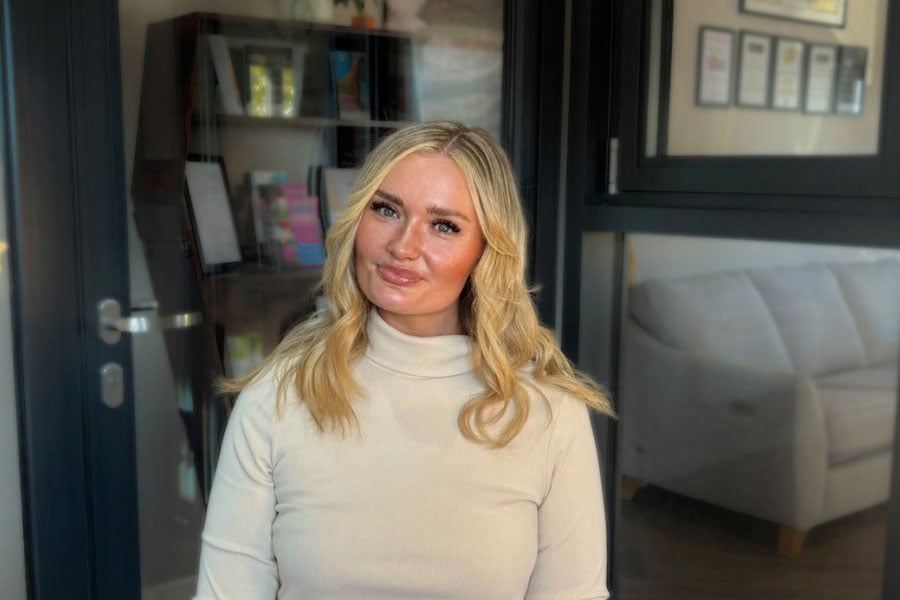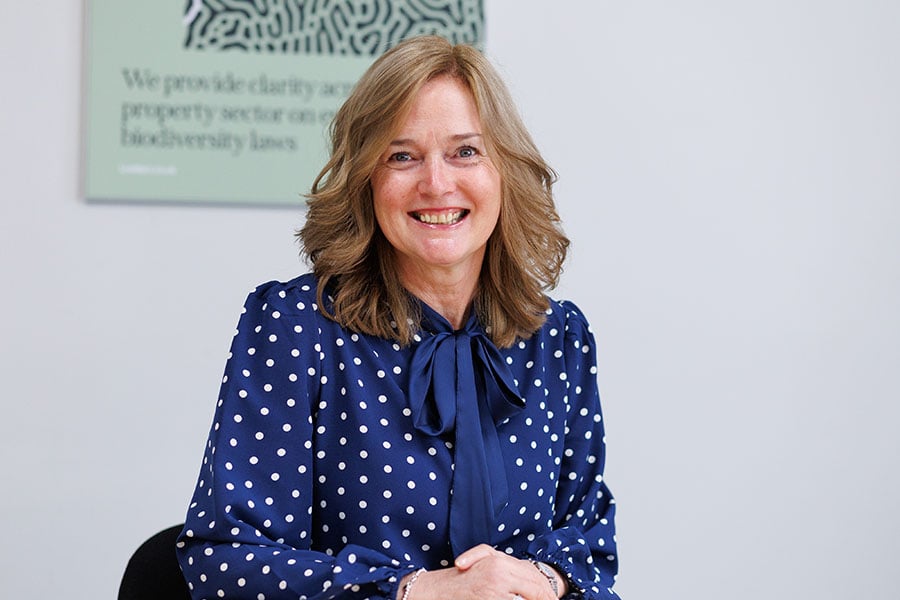

After completing a law degree at Wolverhampton University and the Legal Practice Course at Liverpool John Moores University, John-Paul Dennis qualified as a solicitor in 2006. He joined a firm to practice private client law and has been specialising in this area ever since. Much of John-Paul’s work involves advising family business owners (agricultural and commercial), trustees, compensation and tax planning trusts, charities and executors of complex high-value estates. He’s also worked as a deputy with the Court of Protection, and as a professional deputy and attorney with the Office of the Public Guardian.
What was your career path to your current role?
From an early age, I wanted to be a solicitor and I was the first member of my family to go to university. I undertook my law degree with the aim of moving onto the LPC straight afterwards, and was fortunate enough to be able to work as a clerk during university and while on the LPC.
My firm (Lees & Partners at that time) let me leave early on a Tuesday and Wednesday to go to John Moores University at night to complete the LPC and, once I qualified, I joined Kirwans, a Merseyside high street practice. I was there for over a decade and progressed from assistant solicitor in a branch office to head of department and then equity partner.
Weightmans then approached me to head up its Liverpool private client team and, post-Covid, I took a role as CEO at a smaller boutique firm, Astraea Linskills, working with some old colleagues who had started their own practice.
Missing the thrill of being client-facing, (the best part of being a private client solicitor!) I joined Prosperity Law to grow a team in the Liverpool office and was approached by Jackson Lees to come in as divisional director for all private client practice areas in 2024.
I am really enjoying the role and feel like I have come home – Lees & Partners, where I trained all those years ago, is now part of the Jackson Lees Group, and many people with whom I trained still work here.
Did you have any other career ambitions?
Sadly, I knew quite early on that I wasn’t going to be a professional footballer. I enjoyed writing and considered journalism and architecture but, being a working class kid, I knew that I had to choose something worthwhile and a profession that would reward the financial cost of study and effort. I had always been interested in the law and had considered joining the army, legal services or the police as a student before finding an opportunity in private practice.
What keeps you motivated in your work?
The people, my team, my colleagues and contacts, but also the clients. Everyone has the same pressures and concerns, but the way in which they need to be approached can change. I enjoy looking for opportunities when problems arise and trying to navigate client concerns to give options to the people seeking my advice.
What has been the best development in wills and probate in the last 20 years?
Technology has come a long way since I trained. We are able to communicate and research quickly to deliver legal services more rapidly than at any other point in my career. I think this is a positive for our clients. However, colleagues (and me) have to be mindful of a work-life balance. Just because you can respond instantly doesn’t always mean that you should! Get the client engagement and AML organised first!
And the worst?
See above! The issue with tech is that a lot of clients now use AI to try to second guess or suggest to you what the answer should be. I am confident that AI will improve further but, at the minute, it can be a hindrance when you are delivering bad news re the ever-increasing tax or regulatory burdens.
If you could bring in one new piece of legislation for the sector, what would it be and why?
I would make will writing a reserved activity. Will‑writing is not a reserved legal activity in England and Wales – anyone can legally write a will whether they are regulated or not. It may seem an opinion born of self-interest but, having unpicked many problematic wills over the years, I believe that if you are providing a commercial will‑writing service you should be sufficiently trained. I would like to see it made a reserved activity as I feel that it would protect consumers from errors, fraud, and poor‑quality service by ensuring only properly regulated and accountable professionals can provide the same. I am not advocating that people can’t make their own wills, far from it – but if you are paying someone, they should be competent.
The Legal Services Board has previously made the same argument.
What piece of legislation would you take off the statute books and why?
The residential nil rate band is, in my view, discriminatory. I would remove the residential nil rate band (a terrible piece of legislation) and roll that allowance into a full enlarged nil rate band allowance. The allowances also need to be increased in line with inflation and property prices – there is a lot of loss to the taxpayer due to fiscal drag.
What’s the best piece of advice anyone ever gave you regarding your career?
Listen. Not just to clients or colleagues, but in any situation you find yourself in. Active listening and not just waiting for an opportunity to speak gives you time to analyse and consider where the other person is coming from.
What’s the best piece of advice you’d like to give to someone just starting out?
Get into the office more, and sit in as many meetings with as many clients and colleagues as you can. You can only learn so much at a computer. Softer skills are picked up and developed by seeing and hearing your more experienced colleagues in action. Also, there is a legal community out there, so join the local Law Society and get involved at whatever level you can.
Tell us something people may be surprised to know about you…
I have done stand-up comedy in the past, thankfully before mobile phones were capable of recording.
If you’d like to appear in a future profile, email press@todayswillsandprobate.co.uk with ‘Profile’ in the subject line.