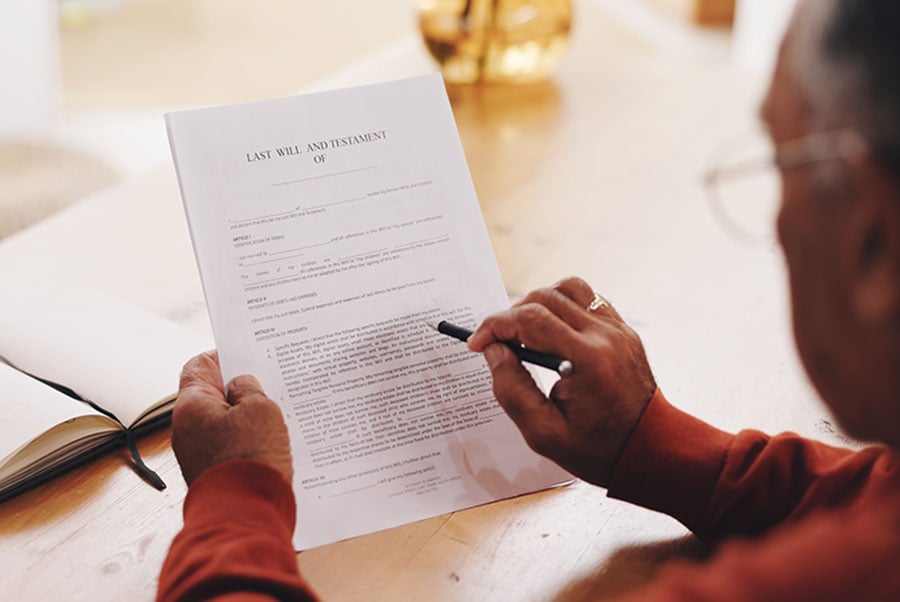
The Ministry of Justice has announced it will retain all original wills, following extensive public consultation that revealed widespread opposition to their destruction. The decision, welcomed by experts and practitioners, underscores the enduring importance of these documents as historical, legal, and sentimental artifacts.
The consultation, launched in December 2023, explored transitioning to a digital-only system for storing wills and probate records. However, responses highlighted public attachment to these records and concerns about the reliability of digital alternatives. Ian Bond, Partner at Irwin Mitchell, expressed satisfaction with the outcome:
“The decision by the government shows that it has listened to the responses to the consultation, most of which were overwhelmingly negative about the proposals. This is good news for historians, genealogists, and the public at large. It doesn’t just have to be famous people who should have their wills and documents retained – the point was we don’t know who would be famous or interesting until sometime after their death, nor what would be interesting to future generations.”
Bond noted practical suggestions for reducing storage costs:
“We acknowledge that there is a cost of storing the wills, but equally there is a cost to destroying the documents that had not been considered. Alternative methods could include offering the wills and documents to executors, family members, or relevant organisations. For instance, the will of the late Paul O’Grady could be offered to a museum in Liverpool or to the charities he supported.”
Anthony Belcher, Managing Director at The Society of Will Writers, echoed this sentiment, emphasising the value of these records:
“It’s clear that a lot of importance is placed on the preservation of archived wills, whether historical or sentimental. I think it’s right that the government have chosen not to proceed with reforms involving their destruction.”
Belcher acknowledged, however, the logistical challenges of maintaining the archive:
“The SWW stores around 150,000 wills and legal documents, and even that presents challenges. Costs for security and postage are only increasing, so it’s unsurprising they’ve highlighted the need to consider the fees they charge. The problems with the amount of paper involved in will writing and probate processes are a product of the age of the legislation we’re working under.”
Doug Hargrove, Senior Vice President of Legal at OneAdvanced, operator of The National Will Register, supported balancing digital tools with the preservation of original wills:
“We advocate for leveraging digital tools to register the existence of wills, highlighting their location, and enhancing archive management. This approach complements the enduring significance of original wills, rather than replacing them. While digital solutions are likely to become more prevalent, it is essential to maintain a thoughtful balance—preserving original copies while embracing technology to safeguard and streamline their management.
The public’s response to the recent consultation underscores the deep connection families feel towards these vital documents, reflecting their role as both a practical tool and a cherished legacy. While digital solutions are likely to become more prevalent in modern will management, it is essential to maintain a thoughtful balance – preserving original copies while embracing technology to safeguard and streamline their management for future generations.”