
New data shows nearly a third of pensioners’ income goes toward paying tax, as the number of people over state pension age paying tax rises.
The analysis, from Key Equity Release, shows average gross incomes for pensioners are £731 but the median net figure is £505, a 31% cut, with a 50% increase in those paying tax.
The data found the number of people over state pension age paying tax has increased in the past six years from 6.47 million in the 2020/21 tax year to 9.58 million in the 2026/27 tax year.
The number of higher rate and additional rate taxpayers receiving state pension has more than doubled over that period from 494,000 to 1.092 million, with recent figures showing pensioners contributed £29.86 billion in tax in the 2024/25 tax year.
Single pensioners lose less of their gross income to tax, dropping from a £510 gross weekly income to £378, a 26% fall, while for couples gross incomes fall 30% from a gross £972 a week to a net £681 a week.
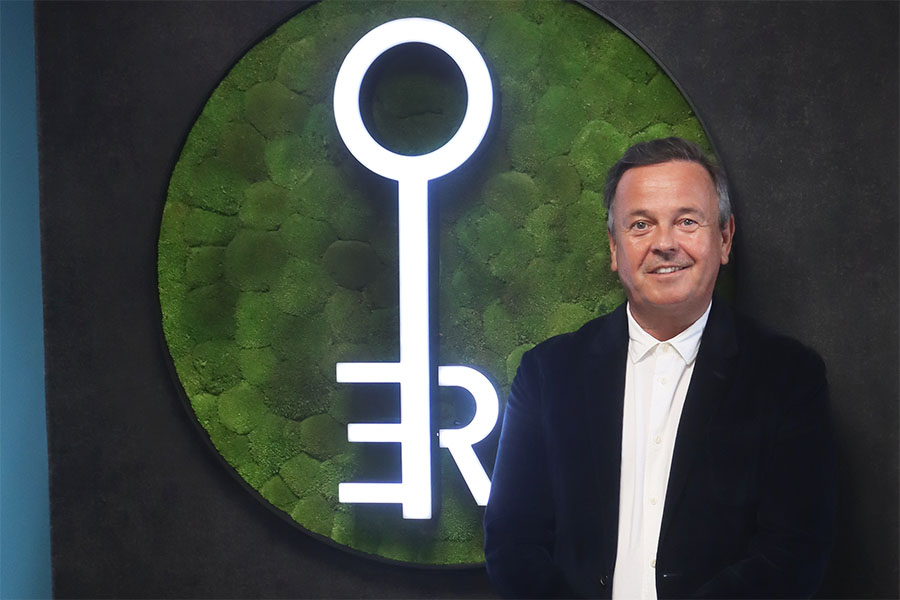
Will Hale, CEO of Key Equity Release said: “Anyone thinking the tax implications end when you stop working is very much out of date and is also heading for a rude awakening.
“The cumulative impact of fiscal drag from frozen tax thresholds has pulled more and more retired households into paying tax and that will continue to be the case with currently more than a million higher rate and additional rate taxpayers in receipt of State Pensions.
“Advisers will of course be well aware that tax planning has to be a major part of retirement and intergenerational wealth transfer planning, but they also need to widen their perspective when it comes to how assets are used within the decumulation phase.
“A holistic approach from advisers which includes looking at property wealth and consideration of later life lending options will help retired households better cope with the impact of tax on their income from pensions and investments and ensure efficient estate planning.
“The FCA is highlighting the potential for use of property wealth through later life lending to become the fourth pillar of funding retirement alongside pensions. Advisers should be adapting their planning models and ensuring they have the appropriate qualifications and permissions to advise across all product options or form referral relationships with trusted specialist partners.”