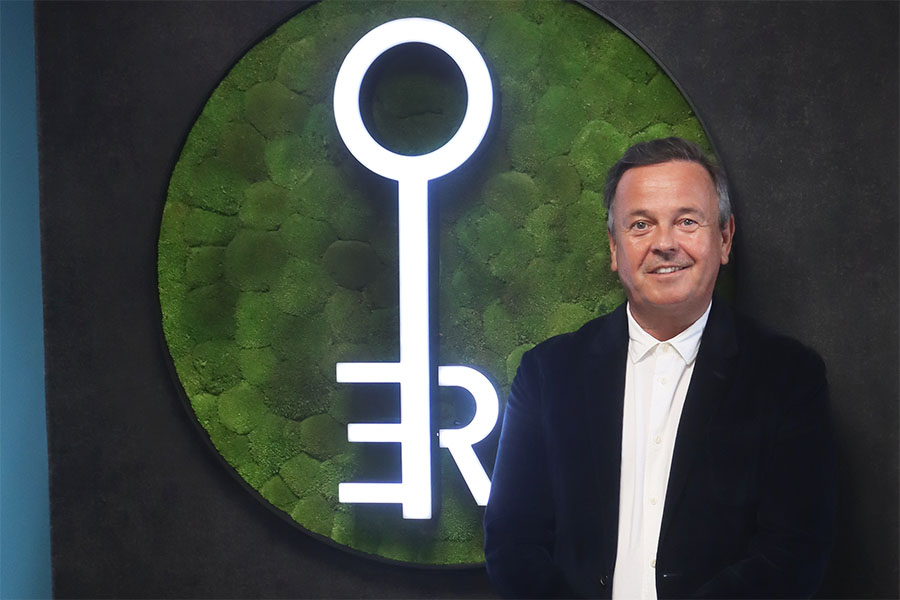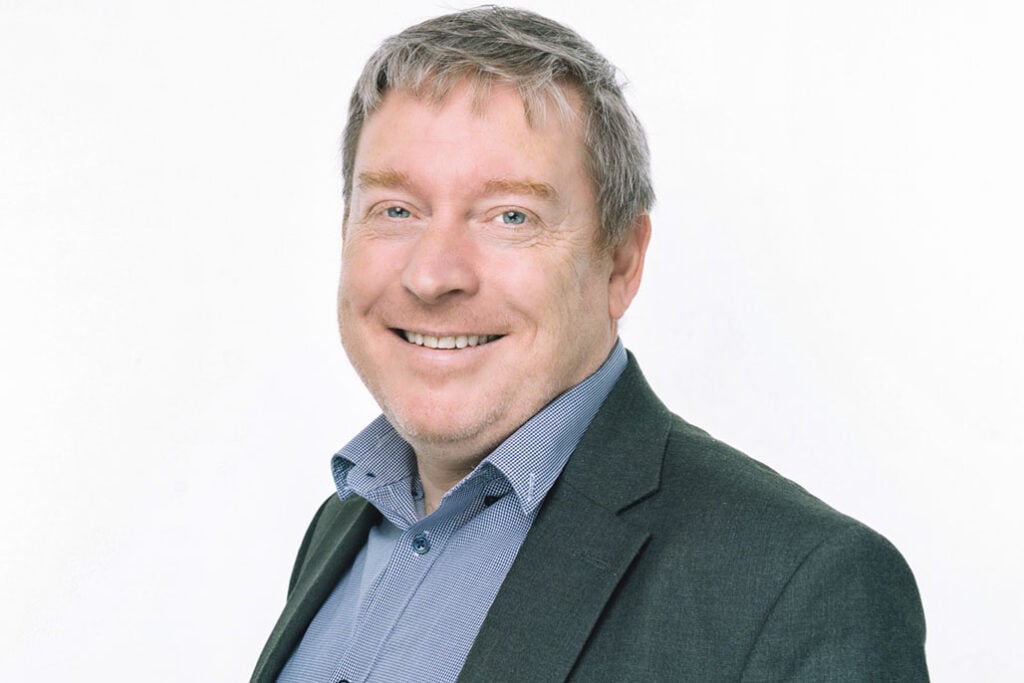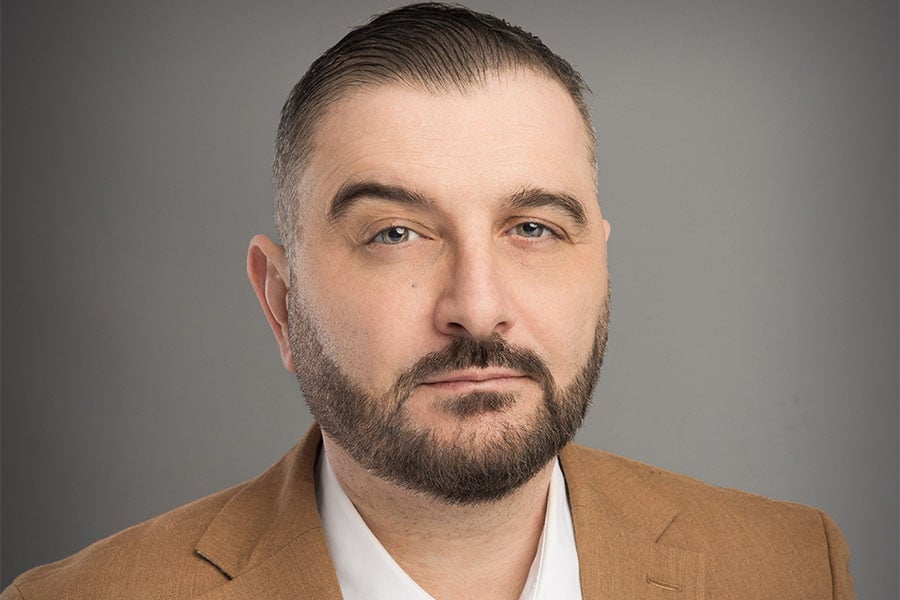

Tony McChrystal is the founder and managing director of Pavesen, a boutique advisory specialising in online reputation, digital identity and legacy. He has spent more than 16 years working in online reputation management, advising individuals, family offices and organisations on how they are represented online. Earlier in his career, he helped build a specialist reputation business that was acquired by one of the world’s largest cybersecurity companies. He now leads Pavesen with a focus on discreet, senior-led advice and the long-term protection of clients’ reputations.
What was your career path to your current role?
I studied Fine Art and, for a while, fancied myself as something of an artist. I soon realised that either I was not quite the artist I thought I was, or my particular style was never going to get me where I wanted to be. I went on to work for a digital agency as an SEO business development manager, where I spotted a gap in the market for online reputation management. That was the beginning of a journey that has now lasted more than 16 years. In 2011, we started a specialist reputation business which was subsequently acquired by one of the world’s largest cybersecurity companies. After spending years helping build and lead that business, I founded Pavesen to take a more personal, specialist approach to protecting reputations.
Did you have any other career ambitions? Professionally, I always wanted to build another agency. Having helped start a business in 2011 that went on to be acquired, I know how rewarding that can be. My ambition is different this time. I am not building Pavesen with the intention of selling it. I want to establish a company and a brand with a reputation of its own, one that lasts beyond my professional career.
What keeps you motivated in your work?
What motivates me has changed over the years. Earlier in my career, it was about building a successful business and proving we could compete with much larger organisations. Today, it is more about creating something that lasts, both for our own business and for the clients we represent.
One thing I have come to appreciate is that our reputations often outlive us. People spend their entire lives building businesses, creating wealth, raising families and establishing their names, but what remains of their reputation after they are gone is increasingly shaped by what exists online. That digital legacy can influence how future generations remember them, sometimes decades after their death.
A significant part of what motivates me today is helping clients take greater control of that legacy. It is not simply about managing what appears on Google today, but ensuring their life’s work, achievements and contributions are fairly represented for generations to come. There is something genuinely rewarding about that, particularly when working with individuals and families who have spent decades building something meaningful.
Ultimately, I want Pavesen to have the same longevity. We are building a business and a brand that I hope will outlive my own professional career, just as we help our clients protect reputations that will outlive their lifetimes.
What has been the best development in wills and probate in the last 20 years?
From my perspective, it is the growing recognition that a person’s legacy is not confined to physical property and financial assets. Their digital identity, personal information, photographs, published work and online reputation can be just as important to the family they leave behind. The fact that these issues are increasingly part of the conversation about estate planning is a positive development, even if there is still a great deal of ground to cover.
And the worst?
The speed at which a person can lose control of their digital legacy. Information can remain online indefinitely, be taken out of context or resurface many years later. Now AI systems can repeat and amplify that information, sometimes without showing where it came from. Families may inherit not only assets and responsibilities, but also a digital narrative about a loved one that they have very little ability to correct.
If you could bring in one new piece of legislation for the sector, what would it be and why?
I would like to see a clearer legal framework for digital legacy after death, giving properly authorised executors a practical route to manage or correct certain online information and deal with digital accounts, while safeguarding privacy, historical records and freedom of expression. A person’s online identity can have a lasting impact on their family and on the organisations they built. The law should recognise that digital legacy is now part of what people leave behind.
What piece of legislation would you take off the statute books and why?
I would be cautious about naming a specific Act for repeal, as I am not a wills and probate lawyer. My concern is less about removing a particular law and more about closing the gaps between traditional estate administration and the way digital information is actually held and controlled. I would favour clearer, more workable rules over repeal for its own sake.
What’s the best piece of advice anyone ever gave you regarding your career?
One lesson that has stayed with me is that your reputation is built over years but can be damaged very quickly. It is especially relevant in my line of work, but it applies equally to running a business: be careful about what you promise, do what you say you will do and think about the long term rather than the next transaction.
What advice would you like to give to someone just starting out?
Find an area you genuinely understand, become very good at it and do not be afraid to specialise. When I started in online reputation management, it was still a relatively small niche. That specialism became the foundation of my career. Also, pay attention to the people you work with. Strong relationships and a good reputation will take you further than a clever sales pitch.
Tell us something people may be surprised to know about you…
I have a Fine Art degree and still enjoy painting, which is probably quite different from what people expect of someone who has spent most of his career in digital reputation. I have also run a marathon in 2 hours and 48 minutes. Neither has much to do with managing online reputations, although both have taught me something about patience and persistence.
If you’d like to appear in a profile, email press@todayswillsandprobate.co.uk with ‘Profile’ in the subject line.