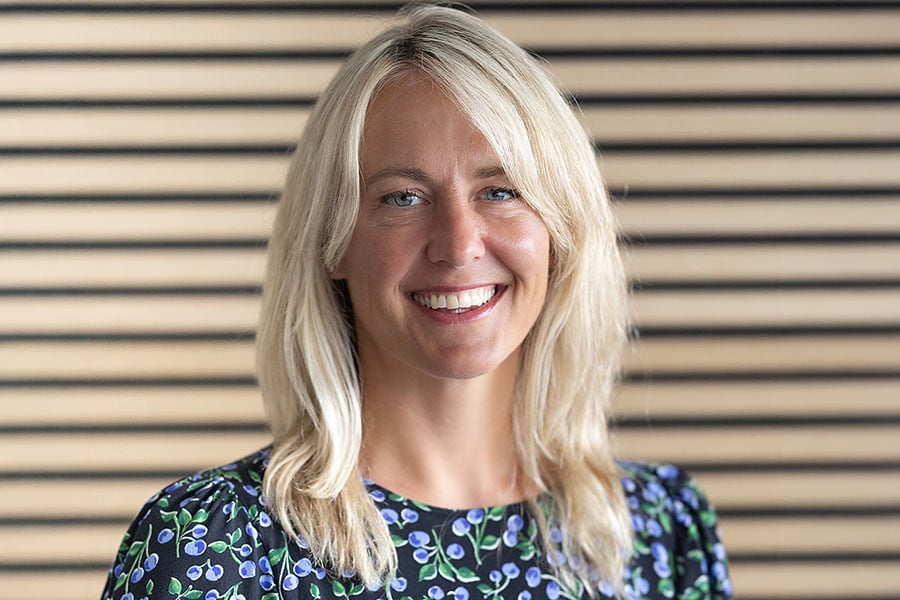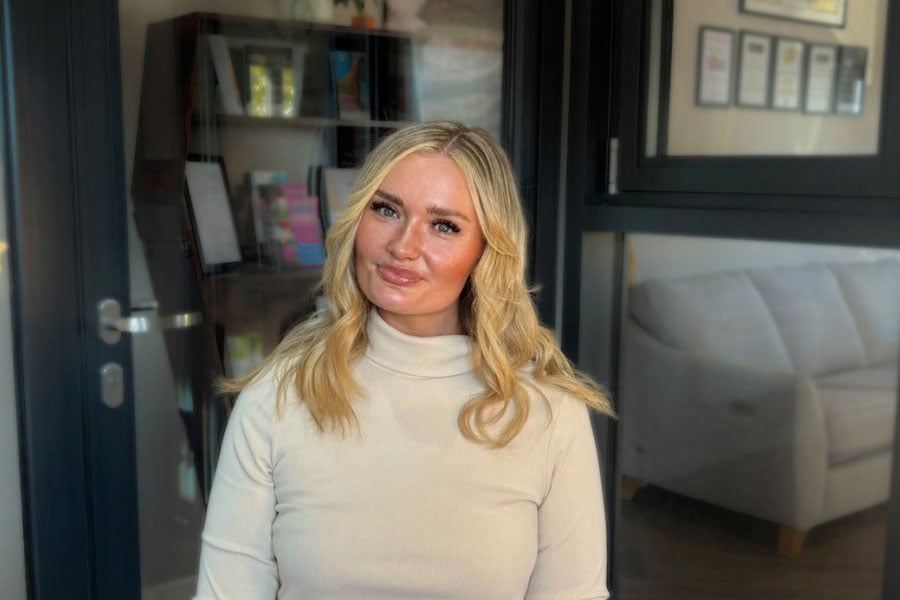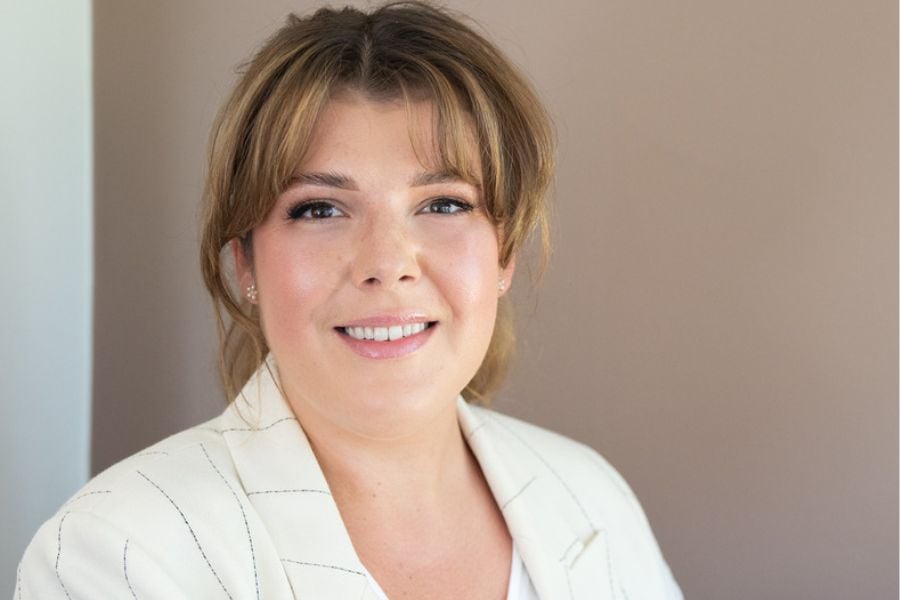

Senior associate solicitor and contentious probate specialist Sandra Kowalska regularly advises clients on a wide range of estate and inheritance disputes. She takes a practical, inclusive and non-judgemental approach to complex legal disputes. She heads up a small team who are dedicated to helping people during some of their most vulnerable moments. Sandra is passionate about helping people and offers flexible solutions to ensure everyone can get the support they need at a time when they need it the most. Based in Doncaster but supporting clients across the UK, she is the only solicitor with ACTAPS accreditation in the area and has over 10 years of experience in litigation.
What was your career path to your current role?
Although I always knew I wanted to advocate for a living, the journey to my current role has been far from straightforward. Sometimes I question where I found the determination and confidence to keep going.
I worked in four law firms before finding ‘my place’ and with that, a training contract. Even in these harder times, I carried myself with this unstoppable aura of defiance and drive.
I would say that it was exactly that attitude which pushed me to work harder, believe in my own voice, and ultimately help me grow into the solicitor I am today. I decided to specialise in contentious probate and trust work very early on, during my training contract. I was fortunate to secure an opportunity within a reputable specialist team based in Doncaster within one year of qualifying.
I have always believed that everything happens for a reason, and at that point in my career I was keen to work close to home. Switalskis, with its Doncaster office and strong presence across the surrounding areas, felt like the perfect fit. I brought with me a number of established contacts, a solid understanding of the industry and a real appetite for new challenges. The opportunity to set up and build my own department and team is, without doubt, a dream come true.
Did you have any other career ambitions?
Absolutely not. It was law or nothing for me. That might seem naïve in hindsight, but it came from a place of the previously mentioned unwavering self-belief and, in truth, it worked out well.
What keeps you motivated in your work?
My motivation comes from my clients and my commitment to helping them navigate challenging and often deeply emotional disputes. No two cases are ever the same. Each family brings a different story, shaped by its own experiences. Some are grounded in long-standing family trauma, others in financial concerns, but each one matters and deserves the same level of dedication.
What has been the best development in wills and probate in the last 20 years?
From a contentious probate perspective, there have not been many significant legislative changes. However, as more matters proceed to court determination, there has been a substantial development in case law, providing detailed guidance and established precedents across the field. Areas such as proprietary estoppel, Inheritance Act claims, and testamentary capacity have all seen important developments. The law continues to evolve in response to the complexities of modern disputes and family dynamics, which is what makes this such a dynamic and engaging area to practise in. There are also some considerable changes likely coming our way in the next few years.
And the worst?
The increasing number of litigated cases can bring exciting developments for people like me, who have a keen interest in the area. However, greater volumes of litigation can significantly delay the administration of estates, leaving matters unresolved for long periods and adding to the emotional and financial strain on families. Increased reliance on court determination can also create uncertainty around testamentary freedom, as outcomes become more fact-specific and less predictable. This can make it more difficult for individuals to feel confident that their wishes will be upheld, ultimately contributing to further disputes. Combined with already stretched court resources, this can significantly delay resolution in what are already highly emotive matters.
If you could bring in one new piece of legislation for the sector, what would it be and why?
I believe the current law surrounding estate administration and inheritance tax does not fully reflect modern relationships. Marriage no longer holds the same economic or social status it once did, and many couples choose not to marry. However, they can still find themselves at a significant disadvantage, both during their lifetime and after death. I would welcome legislation that better recognises and protects these relationships to ensure fairer financial outcomes.
What piece of legislation would you take off the statute books and why?
Our team often deals with matters which involve dealings with the Probate Registry, particularly the caveat related matters currently governed by Non-Contentious Probate Rules. In practice, it can be easily abused to delay estate administration, often escalating costs and conflict unnecessarily. Probate registries are frequently under significant pressure, with registrars required to make decisions on issues that would arguably be better suited to the civil courts. Some of the processes and precedents remain outdated and differ significantly from CPR-formatted documents, which can create confusion, particularly for junior practitioners. Modernisation in this area would help improve efficiency, clarity and fairness.
What’s the best piece of advice anyone ever gave you regarding your career?
A university tutor once told me that when a client comes to see a solicitor, it is likely to be the most important part of their day. I have always kept that in mind, ensuring I treat every client and every matter with the importance it deserves.
What advice would you like to give to someone just starting out?
Stay resilient, but don’t try to do it alone. Surround yourself with people who will support and uplift you, because there will be times when you need that encouragement. Having the right people around you can help you push through the more difficult moments. I referred earlier to the importance of finding ‘my place’, and for me that meant working in an environment that offers genuine support and belief in my abilities. I work with aspiring solicitors on a daily basis, and I see first-hand how they can truly flourish when given the right environment and encouragement.
Tell us something people may be surprised to know about you…
Many people are surprised to learn that I moved to the UK at 14 without speaking any English. By the time I started my law degree at 18, overcoming the language barrier had already been a significant challenge.
If you’d like to appear in a profile, email press@todayswillsandprobate.co.uk with ‘Profile’ in the subject line.