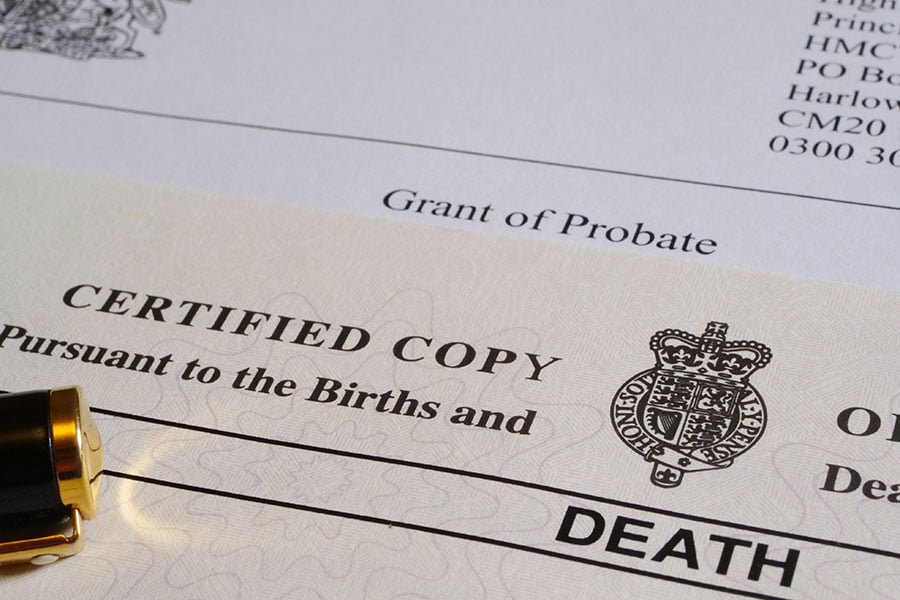

Inheritance tax (IHT) receipts for April experienced a rare drop, with the monthly figure of £0.7 billion representing a £65 million decrease on the same period last year.
Experts are in agreement the fall precedes a period of upheaval, but with differing views on the causes.
Rachael Griffin, tax and financial planning expert at Quilter, said the figures mark an important milestone, “as it is the final April in which pension wealth remains outside the scope of IHT”.
“From April 2027, unused pension pots will be brought within the taxable estate, fundamentally changing how wealth is assessed at death,” she explained.
“That shift is likely to have a profound effect on future receipts. Pensions have long been one of the largest assets held outside the estate, and bringing them into scope significantly increase the number of people paying what was once a tax for the very wealthy.
“As a result, next tax year IHT receipts are expected to rise sharply, with these figures likely to look modest in hindsight. Combined with frozen thresholds and ongoing pressure from property values, the trajectory for IHT remains firmly upwards, placing even greater emphasis on early and proactive estate planning.”
For Ian Dyall, head of estate planning at wealth management firm Evelyn Partners, domestic politics are likely be the largest trigger for change.“The fall comes at a time when families who have built up wealth might have half an eye on the news headlines,” he said.
“Even though there are several hurdles to be cleared before the prime minister is replaced in a leadership contest, there is already speculation emerging about what this could mean for tax policy.
‘Ever since Sir Keir Starmer’s position started to become precarious, it has seemed likely that whoever replaces him will come from somewhere further to the left of the Labour Party – with Andy Burnham the current favourite, if he wins his by-election.
“Add to this former health secretary Wes Streeting’s unexpected intervention this week on equalising capital gains tax with income tax – as well as the ongoing fragility of the UK public finances – and it’s perhaps unsurprising if some families are starting to fear that higher wealth taxes are very much on the table, even after taxes went up in the first two budgets of this government.
‘It’s not impossible that IHT and the gifting regime could feature in such discussions, and there is certainly willingness in the Treasury to target estates, as we saw with the substantial changes to IHT reliefs and exemptions at the October 2024 budget. The capping of business reliefs is already in play, but it will be some time before we can see how that might increase IHT liabilities – and by then unspent pension assets will be subject to IHT too.
‘So, together with the creep of more estates and more assets into IHT thanks to frozen nil-rate bands, there is plenty for families to be thinking about, without the distraction of possible future changes to tax policy.”
Will Hale, CEO of Key Equity Release, said the expected rise will be triggered by the government’s recent fiscal decisions, and added the impact of property equity into the mix.
He explained: “An inexorable increase in IHT receipts is anticipated due to a combination of rises in asset values and the government’s decisions at various recent fiscal events to maintain the tax free thresholds at their 2020 to 2021 levels up to and including 2030 to 2031.
“This tax raid on wealth has major implications on financial planning in general and estate planning in particular with property equity and later life lending playing an increasingly central role.
“Rising house prices have been a major factor in the growth of IHT receipts and property wealth must now be a central consideration in efficient IHT planning. Unused defined contribution funds being in scope for IHT purposes from 6th April next year should cause all customers and advisers to reflect on wealth accumulation strategies and the sequencing of how assets are utilised in the decumulation phase.
“Later life lending has to be considered alongside pensions and investments in tax planning strategies. As part of comprehensive estate planning, wealth managers and IFAs should be taking an holistic approach and ensuring all clients’ assets are taken into account.
“Those advisers that are not qualified in or do not want to advise on later life lending products, including lifetime mortgages, should look to set up referral partnerships with specialists in order to support good outcomes for customers.
“Modern lifetime mortgages, which include flexible repayment features and important embedded protections, can be a vital component of tax-efficient intergenerational wealth transfer and retirement funding strategies for many homeowners over the age of 55.”