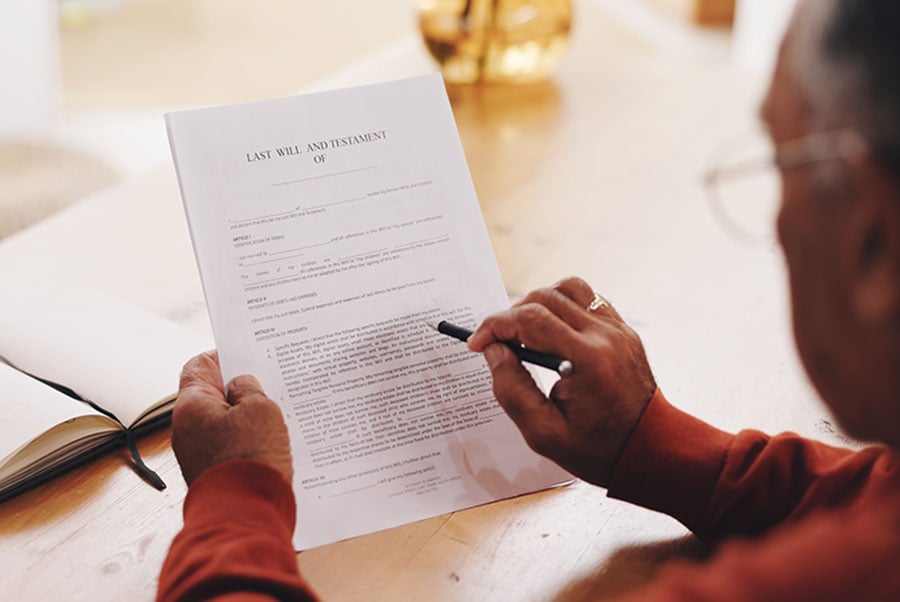
As many as one in five people fear missing out on passing documentation on to their loved ones in the event of their unexpected death, according to a survey of 2000 adults.
Around a quarter (23%) of respondents either disagreed or did not know whether their loved ones could easily locate key documents after their sudden death according to the survey, conducted by Yonder Consulting on behalf of digital vault SafeKeep.
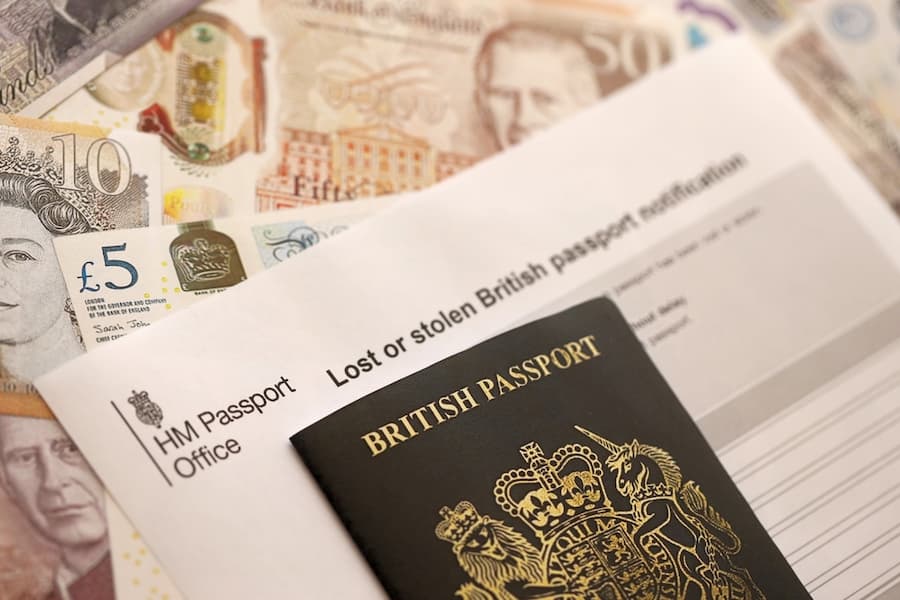
The survey also found one in six adults have lost an important document in the past five years, with passports, certificates and insurance paperwork among documents most commonly mislaid. One in five respondents said they do not know where their birth certificate is.
The issue is acute amongst younger people, said SafeKeep. Nearly half of all 18-to-24-year-olds (47%) have paid for forgotten subscriptions, against a national average of 18%. Four in ten in that age group (40%) have also already lost an important document, compared with one in six nationally.
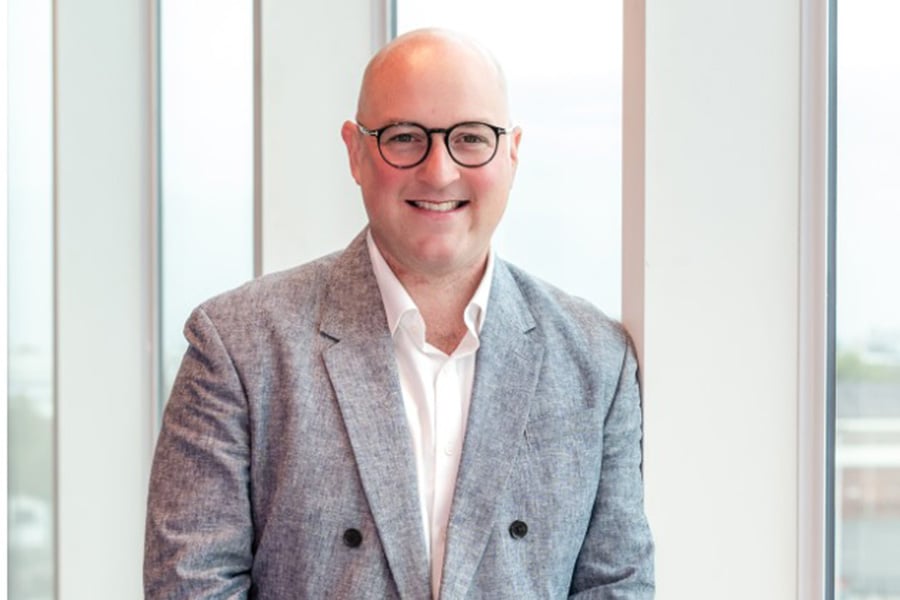
The research paints a picture of widespread life admin disorder across Britain, said SafeKeep founder Andrew Byres. “This research reveals a hidden disorder at the heart of British home life. Most of us never think about whether the people we love could find our documents if something happened to us. Many of us are paying for things we have forgotten about. And one in five cannot even locate their own birth certificate.”
Digital documentation alongside paper would be useful according to six in 10 respondents, with the figure rising to nearly three-quarters among 18-to-34-year-olds. Nearly half of all adults (47%) said they would prefer to hold secure digital versions of their official documents.
Liz Pryor MBE, founder of pre-bereavement charity, Anne Robson Trust, said: “When someone is dying, the people around them are often exhausted, frightened and unsure where to turn. Missing paperwork adds another layer of pressure at an already overwhelming time. Having key documents organised and easy to find is one practical way to reduce that burden and to help families focus on what matters most, being there.”